In the fast-paced commercial landscape of Orange County, the structural integrity of a business facility is often the silent partner in a company’s success. While interior branding and customer experience receive significant capital investment, the roof remains the most critical barrier between a company’s expensive inventory, sensitive data, and the unpredictable elements of the California coast. For those managing properties or overseeing facility operations, the search for commercial roofing Costa Mesa is more than a simple procurement task; it is a strategic move to safeguard the long-term viability of a commercial asset.
The Southern California climate presents a unique paradox for building materials. While the region is famous for its sunshine, the proximity to the Pacific Ocean introduces high humidity, salt spray, and dense marine layers that can be surprisingly corrosive to traditional building components. A commercial roof in this environment does not just sit there; it actively fights against UV degradation, thermal expansion, and chemical oxidation every single day.
The Evolution of Commercial Roofing Systems
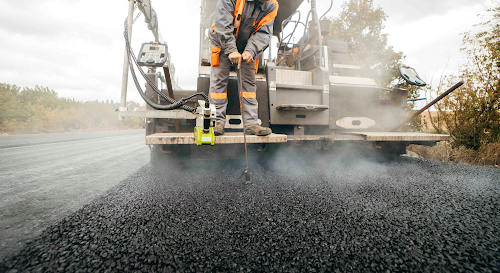
For decades, the standard for flat-roofed commercial buildings was the built-up roof (BUR), commonly known as tar and gravel. While these systems were durable, they were heavy, difficult to repair, and absorbed massive amounts of solar heat. Today, the industry has shifted toward high-performance synthetic membranes that offer superior protection with a fraction of the weight and environmental impact.
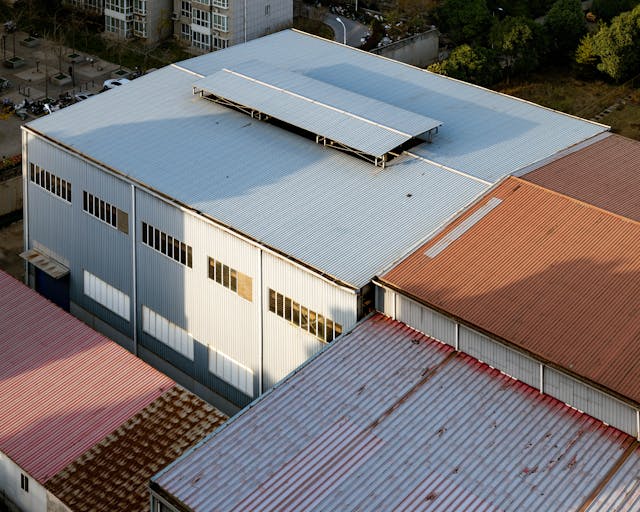
The most prominent of these modern solutions is TPO (Thermoplastic Polyolefin). This single-ply membrane has become the industry favorite for warehouses, retail centers, and office complexes throughout Costa Mesa. TPO is engineered to be heat-reflective and resistant to ultraviolet radiation. By reflecting the sun’s rays rather than absorbing them, a TPO system helps maintain a stable internal temperature, which is essential for businesses that house temperature-sensitive goods or large server farms.
Another high-performance option is PVC roofing. While it looks similar to TPO, PVC is chemically different and offers enhanced resistance to fire, chemicals, and animal fats. This makes it the premier choice for restaurants and food processing plants where kitchen exhaust vents might otherwise degrade a standard roofing membrane. Understanding these technical nuances is where a professional roofing partner proves their value, ensuring the material matches the specific operational needs of the building.
The Financial Logic of Energy-Efficient Roofing
In a state like California, where energy regulations are strict and utility costs are high, the roof is a primary tool for financial optimization. Title 24 of the California Code of Regulations mandates specific “Cool Roof” standards for most commercial reroofing projects. These standards are not just bureaucratic hurdles; they are designed to put money back into the pocket of the property owner.
A “Cool Roof” works by having a high solar reflectance and high thermal emittance. In simpler terms, it bounces sunlight away and quickly releases any heat it does absorb. This prevents the “heat island effect” where a building becomes a localized hotspot. For a commercial tenant or owner-occupant, this translates to significantly lower peak-load energy charges during the hot summer months. Furthermore, the reduced heat load extends the life of rooftop HVAC units, as the cooling system does not have to struggle against a searing-hot roof deck to keep the interior comfortable.
Addressing the Coastal Corrosion Factor
Operating a business in Costa Mesa means dealing with the beauty and the bite of the ocean air. Salt air is a silent destroyer of metal components on a roof. From the flashing around the perimeter to the curbs that support heavy mechanical equipment, metal parts are susceptible to accelerated oxidation. When salt-laden moisture sits on a metal surface, it creates an electrochemical reaction that leads to rust and eventual structural failure.
Professional commercial roofing installations in coastal zones must utilize high-grade materials like stainless steel or coated aluminum for all termination bars and counter-flashings. Using standard galvanized steel in a coastal environment is often a recipe for a leak within just a few years. A quality contractor understands that the “system” is only as strong as its weakest fastener or seal, and they will specify components that can withstand the salt-heavy breezes of the Orange County coastline.
Drainage: The Critical Component of Low-Slope Design
On a flat or low-slope commercial roof, water is the ultimate enemy. Even a small amount of “ponding” water, which is defined as water that remains on the roof for more than 48 hours after a rain event, can cause immense stress. Water is heavy, weighing approximately 62 pounds per cubic foot. If a drainage system is clogged or improperly sloped, thousands of pounds of unplanned weight can settle on the roof deck, leading to structural sagging or a catastrophic collapse.
Maintaining clear scuppers, internal drains, and overflow pipes is a non-negotiable part of commercial property management. During a professional inspection, a contractor will check for “deflection” in the roof deck and ensure that crickets (tapered insulation structures) are installed to direct water toward the drains. In many cases, leaks that are attributed to a failing membrane are actually the result of backed-up drainage systems forcing water under the flashing.
The Importance of a Workmanship-Focused Approach
A commercial roof is a complex assembly of insulation, vapor barriers, membranes, and fasteners. Even the highest-quality TPO or PVC membrane will fail if the seams are not heat-welded at the correct temperature or if the insulation is not fastened according to the manufacturer’s wind-uplift specifications. This is why the choice of a contractor is often more important than the choice of the material itself.
Business owners should look for contractors who carry substantial general liability insurance and specialized “open-flame” riders if they are performing torch-down applications. Transparency in the bidding process is also a hallmark of a quality firm. A detailed proposal should include a site map of the roof, photos of existing problem areas, and a clear explanation of how the new system will integrate with existing mechanical equipment and parapet walls.
Conclusion
The roof over a commercial enterprise is much more than a lid on a box, it is a sophisticated environmental management system. For those overseeing properties in the Costa Mesa area, investing in a high-quality roofing solution is a way to hedge against rising energy costs, protect expensive interior assets, and ensure the safety of employees and customers.
By embracing modern materials, adhering to rigorous maintenance schedules, and partnering with experts who understand the unique challenges of the California coast, property owners can ensure that their facility remains a dry, efficient, and profitable space for decades to come.