
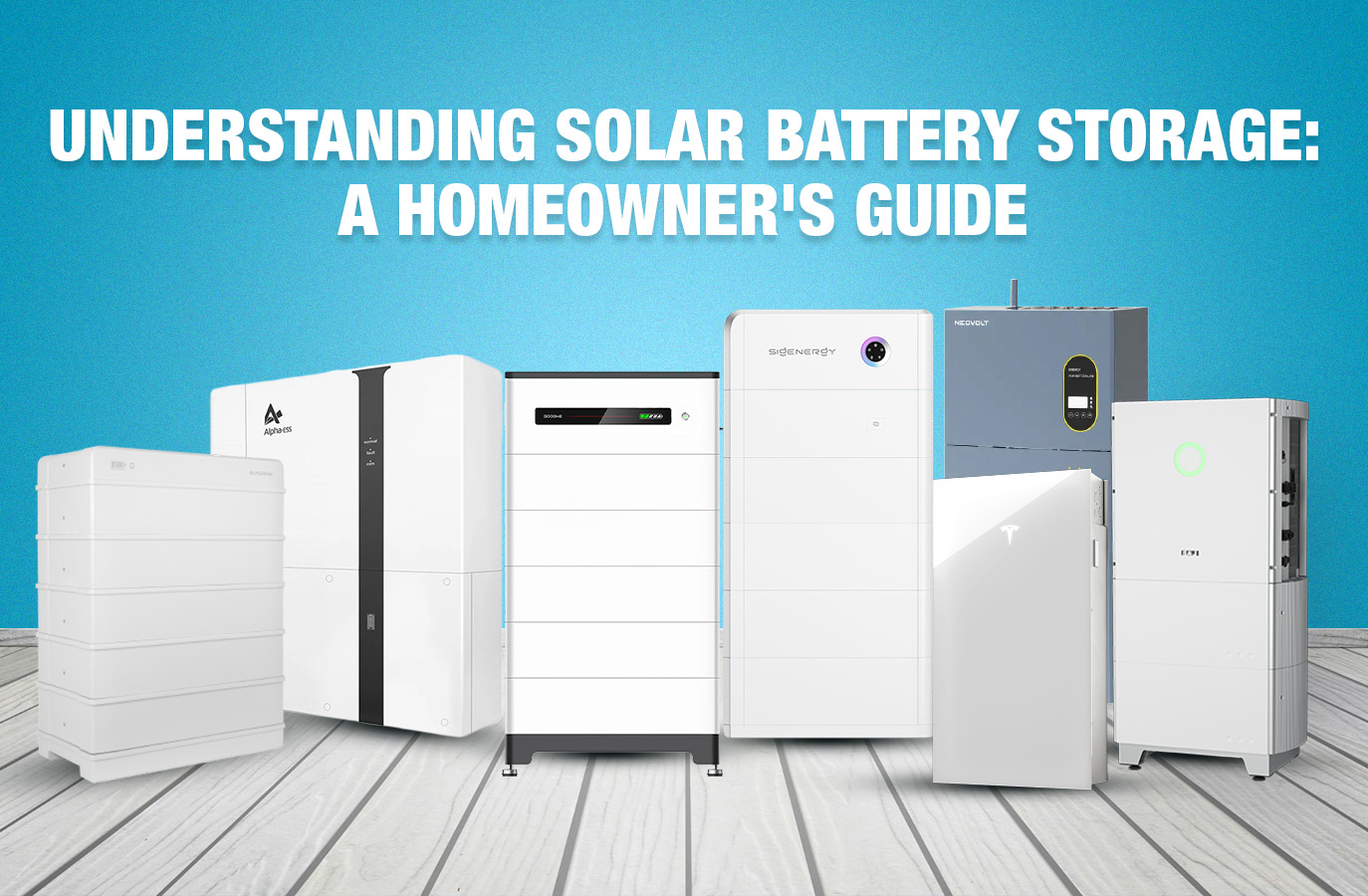
Solar battery storage has moved from a “nice-to-have” upgrade to a serious consideration for Australian homeowners. With electricity prices remaining high, feed-in tariffs continuing to fall, and battery technology improving year by year, 2026 is shaping up to be a key decision point.
So, is solar battery storage actually worth it for Australian homes in 2026? The short answer: for many households, yes — but only if the system is sized and used correctly.
Why the Question Matters More in 2026
Several Australia-specific factors are making solar batteries more relevant than ever:
- Rising grid electricity prices, especially during evening peak periods
- Lower solar feed-in tariffs, reducing the value of exporting excess power
- More frequent grid instability and outages in some regions
- Improved battery lifespans and warranties, often 10 years or more
As a result, homeowners are increasingly focused on using as much of their own solar power as possible rather than relying on the grid.
How Solar Battery Storage Adds Value
A solar battery stores excess electricity generated by rooftop solar panels during the day and makes it available later — typically at night, during peak pricing times, or during blackouts (if backup functionality is included).
The key value comes from self-consumption. Instead of exporting solar energy at low feed-in rates, households use their own stored power when grid electricity is most expensive.
For a detailed breakdown of how this works, Aussie Home Improvement covers the fundamentals in its in-depth guide, Understanding Solar Battery Storage: A Homeowner’s Guide, which explains the technology, benefits, and real-world use cases in clear terms.
When Solar Battery Storage Is Worth It in Australia
In 2026, solar batteries tend to make financial and practical sense if:
- Your household uses most electricity in the evening
- Your feed-in tariff is relatively low
- Electricity prices in your state are high or volatile
- You want backup power for outages
- You plan to stay in your home long-term
Homes that already have rooftop solar are often best placed to benefit, particularly when the existing system is producing excess daytime energy.
Battery Costs vs Long-Term Savings
Upfront costs remain the main barrier. In Australia, installed solar battery systems typically range from:
- $5,000–$7,000 for smaller batteries
- $8,000–$12,000 for mid-sized systems
- $13,000+ for large or premium setups
While payback periods can still be several years, many homeowners are now prioritising bill stability, energy security, and independence over strict dollar-for-dollar returns.
In practical terms, a battery can:
- Reduce peak electricity usage
- Protect households from future price rises
- Increase the overall value of an existing solar system
Battery Technology Has Improved Significantly
By 2026, most residential systems in Australia use lithium-ion batteries, offering:
- Lifespans of 10–15 years
- Higher usable capacity
- Better efficiency
- Minimal maintenance
This improvement in reliability has reduced the long-term risk that once made homeowners hesitant.
What Solar Batteries Still Won’t Do
It’s important to be realistic. Solar battery storage:
- Won’t eliminate electricity bills entirely for most homes
- Doesn’t guarantee backup power unless designed for it
- Needs correct sizing to deliver real value
Poorly sized or incorrectly installed systems are one of the most common reasons homeowners feel batteries “aren’t worth it”.
The Verdict for 2026
For Australian homeowners who:
- Already have solar,
- Use significant power outside daylight hours, and
- Want greater control over energy costs,
solar battery storage is increasingly worth it in 2026.
It’s no longer just about chasing fast payback. It’s about long-term resilience, smarter energy use, and reducing exposure to an unpredictable grid.
Homeowners looking to understand the basics before making a decision can start with resources like Understanding Solar Battery Storage: A Homeowner’s Guide from Aussie Home Improvement, which breaks down what actually matters — and what doesn’t.
Final Thought
Solar batteries aren’t the right solution for every home, but in 2026 they are firmly positioned as a practical, forward-looking upgrade for many Australian households.
As energy prices and grid pressures continue to evolve, the question is shifting from “Why get a battery?” to “Can you afford not to use your own power?”
Frequently Asked Questions
1. Is solar battery storage worth it in Australia in 2026?
For many Australian households, yes. Solar battery storage is worth it in 2026 if you use most of your electricity in the evening, have low feed-in tariffs, or want protection from rising power prices and outages.
2. How much does solar battery storage cost in Australia?
Installed solar battery systems in Australia typically cost between $5,000 and $15,000, depending on battery size, brand, and installation requirements.
3. Can solar batteries really reduce electricity bills?
Yes. Solar batteries reduce bills by allowing households to use stored solar energy during peak pricing periods instead of buying electricity from the grid.
4. Do solar batteries work during power outages?
Only solar battery systems with backup functionality can supply power during blackouts. This feature must be included when the system is designed and installed.
5. What size solar battery does an average Australian home need?
Most average Australian homes suit a 10–13 kWh battery, though the ideal size depends on night-time electricity usage and household energy habits.
6. How long do solar batteries last?
Most modern lithium-ion solar batteries last 10 to 15 years and come with warranties of around 10 years, depending on usage and conditions.