
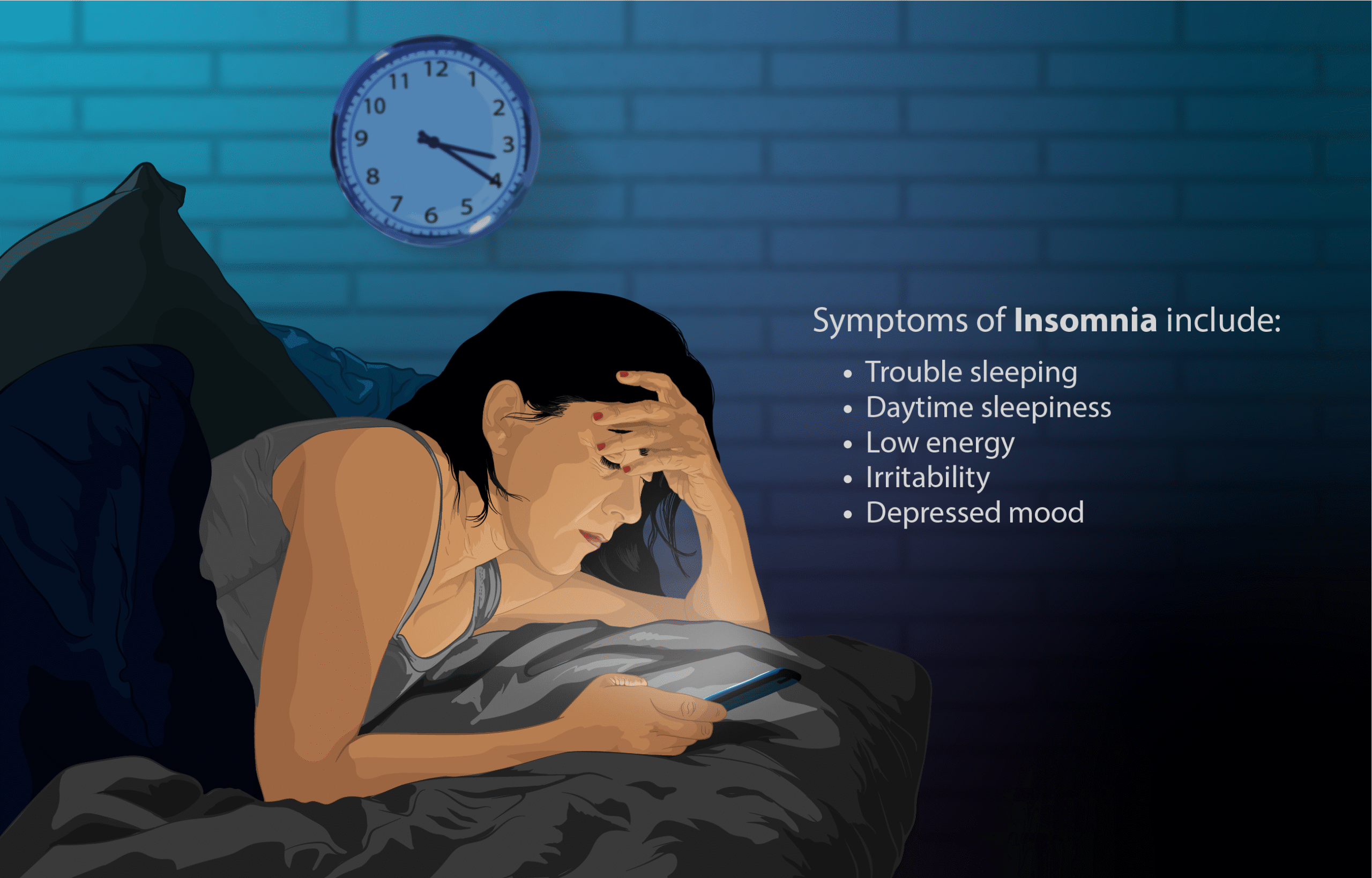
Insomnia disorders affect millions of people worldwide and go far beyond the occasional restless night. While short-term sleep problems are often triggered by stress or lifestyle changes, long-term insomnia can become a chronic condition with serious consequences for mental, emotional, and physical health. Understanding how insomnia develops, how it progresses, and how different forms of insomnia are managed is essential for restoring healthy sleep and overall well-being.
What Are Insomnia Disorders?
Unlike temporary sleep disturbances, insomnia disorders involve repeated patterns of disrupted sleep that interfere with daily functioning and quality of life.
Short-Term Insomnia: Temporary Sleep Disruptions
Causes of Short-Term Insomnia
Short-term insomnia, also known as acute insomnia, usually lasts from a few days to several weeks. It is commonly triggered by:
-
Emotional stress, such as work pressure, exams, or personal conflicts
-
Environmental changes, including noise, light, or unfamiliar sleeping environments
-
Travel across time zones or shift work
-
Illness, pain, or short-term medication use
Symptoms and Impact
People experiencing short-term insomnia may struggle to fall asleep, wake frequently during the night, or feel unrefreshed in the morning. While daytime fatigue and irritability are common, short-term insomnia generally resolves once the underlying cause is addressed.
In most cases, simple adjustments such as improving sleep hygiene or reducing stress are sufficient to restore normal sleep patterns.
Long-Term Insomnia: When Sleep Problems Persist
Defining Chronic Insomnia
Chronic insomnia is diagnosed when sleep difficulties occur at least three nights per week for three months or longer. This form of insomnia is more complex and often involves multiple contributing factors rather than a single trigger.
Common Causes of Chronic Insomnia
-
Anxiety, depression, or prolonged stress
-
Chronic medical conditions such as pain disorders, asthma, or gastrointestinal issues
-
Hormonal changes, particularly during menopause or thyroid disorders
-
Poor sleep habits maintained over time
-
Excessive caffeine, alcohol, or late-night screen exposure
Chronic insomnia often becomes self-sustaining, as worry about sleep itself increases nighttime arousal and makes rest even more difficult.
How Insomnia Disorders Affect Health
Mental and Emotional Effects
Long-term insomnia disrupts emotional regulation and cognitive functioning. Individuals may experience increased anxiety, depressive symptoms, mood swings, and difficulty managing stress. Over time, sleep deprivation reduces resilience and emotional stability.
Cognitive Impairment
Sleep plays a crucial role in memory consolidation, learning, and decision-making. Insomnia disorders impair attention, concentration, and problem-solving skills, leading to reduced productivity at work or school.
Physical Health Consequences
Chronic insomnia is associated with an increased risk of:
-
Cardiovascular disease and high blood pressure
-
Weakened immune function
-
Metabolic disorders, including weight gain and insulin resistance
-
Chronic fatigue and reduced physical coordination
These health risks highlight the importance of early intervention and effective treatment.
Evidence-Based Treatment Approaches
Cognitive Behavioral Therapy for Insomnia (CBT-I)
CBT-I is the most effective long-term treatment for chronic insomnia. It focuses on changing behaviors and thoughts that interfere with sleep. Core elements include:
-
Stimulus control to strengthen the bed-sleep association
-
Sleep restriction to improve sleep efficiency
-
Cognitive restructuring to reduce anxiety and negative beliefs about sleep
CBT-I has been shown to produce lasting improvements without the risks associated with long-term medication use.
Sleep Hygiene and Lifestyle Changes
Both short-term and chronic insomnia benefit from healthy sleep practices, such as:
-
Maintaining consistent sleep and wake times
-
Creating a dark, quiet, and cool sleep environment
-
Limiting caffeine, nicotine, and alcohol
-
Reducing screen exposure before bedtime
Regular physical activity and exposure to natural daylight also support healthy circadian rhythms.
Stress and Relaxation Techniques
Mindfulness meditation, deep breathing exercises, and progressive muscle relaxation help calm the nervous system and reduce nighttime hyperarousal. These techniques are particularly helpful for individuals whose insomnia is driven by stress or anxiety.
For additional guidance on managing sleep disorders through practical, evidence-based strategies, many people explore trusted resources like Straight from GB.
When to Seek Professional Support
Professional help is recommended if:
-
Sleep problems persist for several weeks or months
-
Daytime functioning, mood, or cognitive performance is significantly affected
-
Insomnia occurs alongside anxiety, depression, or chronic illness
Healthcare providers can assess underlying causes and recommend personalized treatment plans, including CBT-I or other targeted interventions.
Final Thought
Understanding Understanding Insomnia Disorders: From Short-Term Sleep Issues to Long-Term Conditions highlights that insomnia exists on a spectrum, ranging from temporary disruptions to chronic health conditions. While short-term insomnia often resolves with simple lifestyle changes, long-term insomnia requires structured, evidence-based approaches to prevent serious mental and physical health consequences. By recognizing early symptoms, addressing root causes, and seeking appropriate support, individuals can restore healthy sleep patterns, improve daily performance, and protect long-term well-being.