
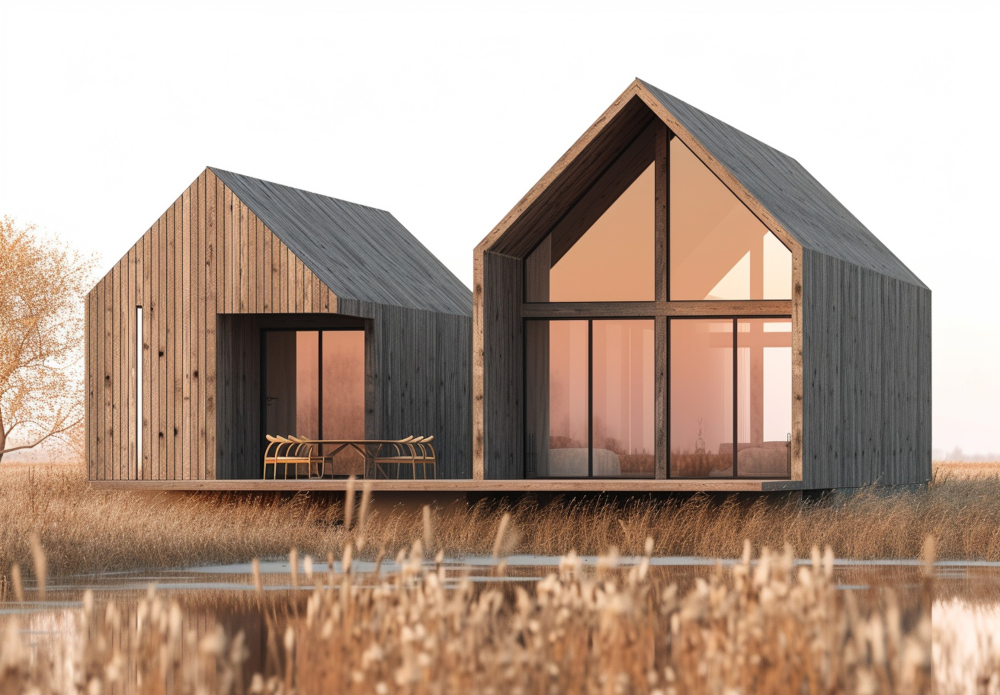
Introduction: Compact Living Is Growing Up
Let’s be real. Compact living used to feel niche. A little fringe. Something you watched on YouTube and thought, “Cool, but not for me.” That’s changed.
Part of that shift is thanks to Tiny House kits. Not as a trend, but as a practical solution. People want smaller homes without the chaos of starting from scratch. Kits sit right in that middle ground. Structured, but flexible. Affordable, but not flimsy. And honestly, they’re changing how people think about tiny living altogether.
Kits Remove the Guesswork Without Killing the Dream
One of the biggest barriers to tiny living has always been uncertainty. What do I need? What comes first? What did I forget?
Tiny house kits answer those questions upfront. Materials are specified. Measurements are done. Systems are planned.
That structure matters. Especially for people who like the idea of building, but don’t want to gamble their savings on trial and error. Kits don’t remove creativity. They remove confusion. And that’s a big deal.
Cost Control Is the Quiet Advantage
Tiny houses are supposed to save money. Funny thing is, DIY builds often don’t. Costs creep. Mistakes stack up. Budgets stretch.
Kits bring predictability. You know what you’re buying. You know what it costs.
The short answer is… fewer surprises equals fewer overruns. And for a lot of buyers, that alone makes kits attractive. It’s not about being cheap. It’s about being realistic.
Speed Matters More Than People Admit
Time is money. Always has been.
Building from scratch can drag on for months, sometimes years. Life gets in the way. Weather happens. Motivation dips.
Tiny house kits shorten that timeline. Materials arrive ready. Plans are clear. Progress feels real.
This is where the appeal widens. Not everyone wants a multi-year project. Some people just want to move in.
Where Kits and Professional Builders Meet
Here’s an important point that gets missed. Kits don’t replace professionals. They work alongside them.
Many buyers still involve tiny house builders to assemble kits properly, handle tricky systems, or ensure code compliance. That hybrid approach is growing fast.
It’s not all-or-nothing anymore. You can participate without risking the integrity of the build. That balance is reshaping how people enter tiny living.
Consistency Improves Long-Term Performance
Tiny houses take abuse. Road movement. Temperature swings. Moisture.
Kits are engineered for consistency. Same cuts. Same materials. Same tolerances.
That repeatability leads to better performance over time. Less warping. Fewer surprises.
It’s not glamorous, but it matters. Houses that age well don’t demand constant attention. And that’s the goal.
Accessibility Is Expanding the Audience
Tiny living used to skew toward builders, tinkerers, and hardcore DIY types.
Kits open the door wider. Retirees. Young families. First-time builders. People with normal jobs and limited free time.
By lowering the technical barrier, Tiny House kits make compact living less intimidating. More approachable. More mainstream.
And when something becomes accessible, it grows. Fast.
Builders Are Adapting, Not Competing
Some assume kits threaten professionals. That’s not what’s happening.
Smart tiny house builders are adapting. Offering kit-based builds. Assembly services. Custom add-ons.
Kits create demand. Builders help fulfill it. The relationship isn’t adversarial. It’s collaborative.
And that collaboration is pushing quality up across the board.
Kits Don’t Replace Responsibility
Here’s something people don’t like hearing, but it needs to be said. A kit won’t save you from bad choices. It just makes the good ones easier to execute.
You still have to think about where the house will live. How it’ll be moved. What rules apply. Zoning, utilities, weather, access. None of that disappears because the walls arrived pre-cut.
Some buyers rush the purchase, then scramble later. That’s backwards. The smarter approach is slow upfront, faster later. Ask questions early. Read the fine print. Know what the kit includes and what it very clearly does not.
This is also where experienced tiny house builders earn their keep. Even if you’re hands-on, having someone sanity-check the plan can save thousands. Weight distribution, fastening methods, moisture control—small mistakes here don’t show up immediately, but they show up eventually.
The truth is, kits work best when paired with accountability. They give structure. They don’t remove ownership. And that balance is exactly why they’re reshaping compact living, not dumbing it down.
Kits Still Demand Smart Decisions
Let’s not pretend kits are foolproof. They aren’t.
You still need to understand land rules, local codes, utility hookups, and weight limits. A kit won’t magically solve bad planning.
This is where guidance matters. Whether it’s consulting with designers or looping in experienced tiny house builders, smart decisions still make or break the outcome.
Kits simplify the build. They don’t replace thinking. And that’s a good thing.
Conclusion: Kits Are Shaping What Comes Next
Here’s the truth. Tiny house kits aren’t a shortcut. They’re a smarter path for a lot of people.
They bring structure without rigidity. Savings without sacrifice. Speed without sloppiness.
As compact living continues to evolve, Tiny House kits will keep playing a central role—especially when paired with experienced tiny house builders who know how to turn components into real homes.
The future of tiny living isn’t about doing everything yourself. It’s about doing it right.