
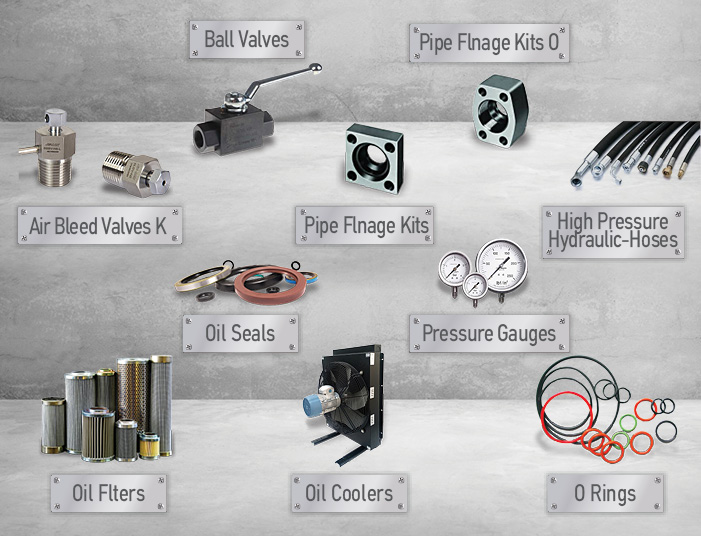
Hydraulic systems power many machines in industries like construction and manufacturing. They rely on tanks to store fluid. Accessories enhance these tanks’ performance. You find items like breathers and level gauges. These parts prevent contamination and monitor levels. Engineers choose them to boost reliability.
People often overlook hydraulic tank accessories in system design. Yet, they play a key role in maintenance. For instance, breathers filter air entering the tank. This action keeps dirt out. Additionally, hydraulic tank accessories extend equipment life. You gain better efficiency with proper selection.
Moreover, these components adapt to various applications. From agriculture to aerospace, they fit diverse needs. Understanding their functions helps users make informed choices. Therefore, explore types and benefits next.
Types of Hydraulic Tank Accessories
Breathers and Filler Breathers
Breathers allow air exchange in tanks. They prevent pressure buildup. Filler breathers combine filling ports with breathing functions. You install them on tank tops. These devices often include filters. For example, desiccant breathers absorb moisture.
Additionally, spin-on breathers offer easy replacement. They suit mobile equipment. In contrast, bayonet-style ones provide secure fits. Users select based on environment. Harsh conditions demand robust materials. Thus, breathers maintain clean fluid.
Fluid Level Indicators and Sight Gauges
Level indicators show fluid amounts inside tanks. Sight gauges use transparent tubes. You read levels at a glance. Some feature thermometers too. This combo monitors temperature alongside volume.
Moreover, magnetic level indicators resist vibrations. They work in tough settings. Electronic versions send signals to controls. Therefore, operators avoid overfills or low levels. Safety improves with these tools. Choose models that match tank sizes.
Filters and Strainers
Filters remove contaminants from fluid. Suction strainers protect pumps. They sit at intake points. Return filters clean fluid before re-entry. You place them on return lines.
In addition, inline filters handle specific flows. Mesh sizes vary for particle capture. Regularly, users check and replace them. This practice prevents clogs. Consequently, systems run smoothly. Select filters rated for your pressure.
Tank Magnets and Diffusers
Tank magnets attract metal particles. They settle at tank bottoms. This action cleans fluid over time. You retrieve magnets during maintenance. Diffusers reduce fluid turbulence. They direct flow gently.
Furthermore, diffusers minimize foam formation. Baffles sometimes aid this. Together, they enhance settling. As a result, cleaner fluid circulates. Install them inside tanks. Proper placement maximizes effects.
Caps, Plugs, and Valves
Caps seal filler ports securely. They prevent leaks. Plugs block unused openings. Ball valves control fluid flow. You use them for draining.
Also, pressure relief valves safeguard against overpressure. They vent excess air. In turn, this protects tank integrity. Choose corrosion-resistant materials. Durability matters in wet environments.
Benefits of Using Hydraulic Tank Accessories
These accessories improve system longevity. Clean fluid reduces wear on components. Pumps and valves last longer. Additionally, they enhance safety. Proper monitoring prevents accidents.
Moreover, efficiency rises with optimal fluid conditions. Less downtime means more productivity. For example, breathers cut contamination risks. Filters trap debris effectively. Therefore, maintenance costs drop.
In addition, accessories support environmental compliance. They minimize fluid spills. Regulated industries value this. Overall, investments yield quick returns. Users see immediate improvements.
Energy savings occur too. Smooth operations consume less power. Diffusers help by calming flows. Consequently, motors work easier. Track these gains over time.
How to Select the Right Hydraulic Tank Accessories
Consider system requirements first. Assess tank size and fluid type. Match accessories to these specs. For instance, viscous fluids need larger filters.
Additionally, evaluate operating conditions. High temperatures demand heat-resistant parts. Dusty areas require advanced breathers. Consult specs from manufacturers.
Furthermore, think about compatibility. Ensure threads and mounts fit. Incompatible items cause issues. Test fits before installation.
Budget plays a role too. Quality items cost more upfront. Yet, they save money long-term. Balance cost with performance needs.
Finally, seek expert advice. Suppliers offer guidance. They help tailor selections.
Installation Tips for Hydraulic Tank Accessories
Prepare the tank surface cleanly. Remove old residues. This ensures good seals. Use proper tools for mounting.
Moreover, follow torque specs. Over-tightening damages threads. Under-tightening leads to leaks. Check alignments carefully.
In addition, position items accessibly. Ease future maintenance. For example, place gauges at eye level. Secure all connections.
Test the system after install. Run cycles and inspect. Look for leaks or irregularities. Adjust as needed.
Safety gear protects during work. Gloves and glasses suffice. Work in ventilated areas.
Maintenance Best Practices
Inspect accessories regularly. Check breathers for clogs. Replace filters on schedule. This prevents failures.
Additionally, clean sight gauges often. Dirt obscures readings. Use mild solvents. Avoid harsh chemicals.
Furthermore, monitor magnets for buildup. Remove collected debris. Diffusers need occasional checks too.
Keep records of maintenance. Note dates and actions. This tracks patterns. Predict replacements accurately.
Train staff on procedures. Knowledge ensures consistency. Reduce errors through education.
Future Trends in Hydraulic Tank Accessories
Technology advances shape these components. Smart sensors integrate now. They provide real-time data. Apps monitor remotely.
Moreover, eco-friendly materials emerge. Biodegradable options reduce impact. Sustainability drives choices.
In addition, 3D printing customizes parts. Quick prototypes speed development. Innovation accelerates.
Automation influences designs too. Self-cleaning filters appear. They extend service intervals.
Overall, trends focus on efficiency. Users benefit from smarter systems.
Conclusion
Hydraulic tank accessories boost system performance. They protect and monitor effectively. Choose wisely for best results. Maintenance keeps them functional. Embrace new trends for future gains.
Invest in quality pieces today. Your operations improve noticeably. Reliability becomes standard.