
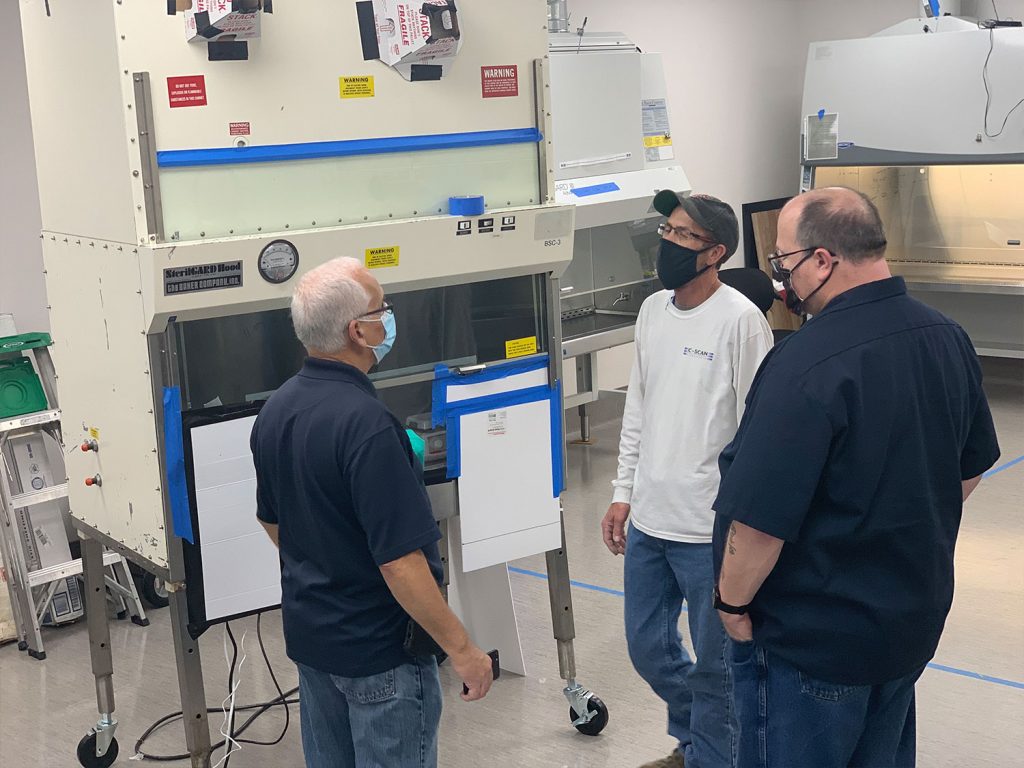
Biosafety cabinets protect lab workers from harmful agents. These devices create safe environments for handling biohazards. Certification confirms their proper function. Labs rely on this process to maintain standards. Workers handle samples without risks. Therefore, understanding certification helps everyone involved.
Experts perform biosafety cabinet certification regularly. This step verifies airflow and containment. Technicians use specialized tools for tests. Labs schedule these checks annually. Proper certification prevents contamination issues. Additionally, it complies with regulations.
What Are Biosafety Cabinets?
Biosafety cabinets, or BSCs, shield users from aerosols. They filter air through HEPA systems. Different classes suit various needs. For instance, Class I offers basic protection. Class II provides more features. Class III ensures maximum containment.
Users operate BSCs in controlled settings. These cabinets direct airflow properly. Inward flow protects the operator. Downward flow safeguards samples. Exhaust systems remove contaminants. Thus, BSCs play key roles in research.
Labs install BSCs in sterile areas. Workers train on usage protocols. Regular checks keep them effective. Moreover, certification identifies wear early.
Importance of Certification
Certification guarantees BSC reliability. Without it, risks increase dramatically. Contaminated air could escape. Samples might get ruined. Health hazards threaten staff. Therefore, labs prioritize this procedure.
Regulations mandate certification for compliance. Organizations like NSF set standards. CDC guidelines reinforce these rules. Labs face penalties otherwise. Additionally, certification boosts confidence.
Inspections reveal hidden problems. For example, filters clog over time. Airflow imbalances occur subtly. Certified units perform optimally. Thus, investment in certification pays off.
Types of Biosafety Cabinets
Class I cabinets pull air inward. They protect users mainly. However, samples remain exposed. Labs use them for low-risk tasks. Simple designs make maintenance easy.
Class II cabinets add product protection. They feature laminar flow. Subtypes include A1, A2, B1, B2. Each handles different hazards. For instance, A2 suits most applications. B types manage volatiles.
Class III cabinets enclose fully. Glove ports allow manipulation. They handle high-risk agents. Biosafety level 4 labs require them. Consequently, certification varies by type.
The Certification Process
Technicians start with visual inspections. They check seals and surfaces. Next, they test airflow velocity. Smoke patterns visualize directions. HEPA filter integrity follows.
Tools measure particle counts. Alarms and interlocks get verified. Documentation records all findings. Labs receive reports afterward. If issues arise, repairs happen first.
Certification takes a few hours. Mobile units visit sites. Labs prepare by cleaning cabinets. Therefore, smooth processes save time.
Standards and Regulations
NSF/ANSI 49 governs BSC certification. This standard outlines test methods. ISO standards complement it. Labs follow these globally.
CDC provides biosafety manuals. They classify hazard levels. OSHA enforces workplace safety. Compliance avoids legal troubles. Moreover, accreditation bodies audit labs.
International variations exist slightly. However, core principles remain consistent. Labs adapt to local rules. Thus, certification aligns with best practices.
Maintenance Between Certifications
Daily checks involve users. They wipe surfaces clean. UV lights sterilize when needed. Monthly tasks include filter checks. Labs log these activities.
Professional maintenance occurs quarterly. Technicians adjust components. They replace parts as required. Preventive care extends cabinet life. Additionally, it reduces downtime.
Users report unusual noises promptly. Airflow monitors alert issues. Training reinforces maintenance habits. Therefore, routine care supports certification.
Recertification Schedules
Annual recertification is standard. However, high-use cabinets need more. After repairs, immediate checks follow. Relocation triggers recertification too.
Schedules depend on risk levels. Biosafety level 3 labs certify often. Documentation tracks dates. Labs set reminders accordingly. Thus, consistency ensures safety.
Delays risk non-compliance. Fines or shutdowns result. Proactive planning prevents this. Moreover, regular cycles build habits.
Benefits of Proper Certification
Certified BSCs minimize exposure risks. Workers feel secure daily. Productivity rises without worries. Research quality improves too.
Cost savings come long-term. Early detections avoid major repairs. Insurance premiums may drop. Additionally, reputation enhances.
Environmental protection benefits society. Contained hazards prevent outbreaks. Public health stays guarded. Therefore, certification serves broader goals.
Common Challenges and Solutions
Filter failures top issues. Debris causes clogs quickly. Regular cleaning solves this. Airflow disruptions occur from blockages. Users must keep sashes proper.
Alarm malfunctions confuse operators. Testing verifies functionality. Contamination events scare teams. However, protocols guide responses.
Training gaps lead to misuse. Labs offer workshops frequently. Documentation helps reference. Thus, challenges become manageable.
Aging cabinets pose dilemmas. Replacement decisions arise. Cost-benefit analyses guide choices. Moreover, upgrades improve efficiency.
Technological Advances in Certification
Modern tools enhance accuracy. Digital anemometers measure precisely. Automated scanners detect leaks. Software analyzes data fast.
Remote monitoring emerges now. Sensors track performance continuously. Alerts notify issues early. Therefore, downtime decreases.
AI predicts maintenance needs. Patterns from data inform schedules. Labs adopt these innovations. Additionally, efficiency boosts.
Sustainability focuses grow. Eco-friendly filters reduce waste. Energy-efficient designs save power. Certification adapts accordingly.
Training for Lab Personnel
Staff learn BSC operations first. Hands-on sessions build skills. Safety protocols get emphasized. Quizzes test knowledge.
Certification awareness educates users. They understand test importance. Reporting duties clarify roles. Moreover, refreshers occur yearly.
Supervisors oversee compliance. They audit usage logs. Feedback improves practices. Thus, training fosters culture.
Case Studies in Certification Success
One lab avoided outbreak through checks. Faulty seals got fixed timely. Research continued uninterrupted. Lessons spread widely.
Another facility upgraded post-certification. New cabinets enhanced workflows. Efficiency metrics improved. Additionally, staff morale rose.
Global examples show impacts. Pandemic responses relied on BSCs. Certified units saved lives. Therefore, real-world proof abounds.
Future Trends in Biosafety
Regulations evolve with threats. New pathogens demand updates. Certification standards tighten. Labs prepare accordingly.
Integration with smart labs grows. IoT connects devices seamlessly. Data-driven decisions prevail. Moreover, collaboration increases.
Sustainability mandates influence designs. Green certifications emerge. Labs balance safety and eco-goals. Thus, future looks promising.
Conclusion
Biosafety cabinet certification safeguards labs effectively. It ensures compliance and performance. Regular processes prevent risks. Labs thrive with certified equipment. Workers handle tasks confidently.
Invest in certification wisely. Prioritize training and maintenance. Stay updated on standards. Therefore, safety remains paramount.