
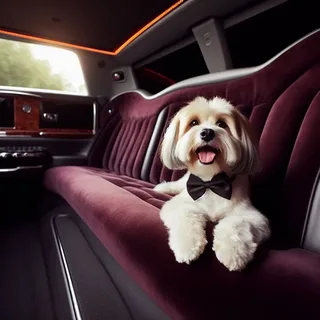
Traveling with your furry friend requires careful planning and preparation. Ensuring your pet’s safety during transportation is essential for every responsible pet owner. Whether you’re driving across town or taking a long road trip, these guidelines will help you keep your beloved companion secure and comfortable throughout the journey.
Understanding Your Pet’s Transportation Needs
Every pet has unique requirements when it comes to traveling safely. Dogs, cats, rabbits, and birds all need different considerations for their comfort. Understanding your specific pet’s needs helps you prepare appropriately for any travel situation. Some pets experience anxiety during travel, while others remain calm and relaxed throughout. Recognizing your pet’s temperament allows you to take preventive measures beforehand. Pets that get motion sickness require different handling than anxious travelers. Consulting with your veterinarian before traveling ensures your pet is healthy and ready.
Preparing Your Pet for Safe Car Travel
Preparation is the foundation of safe pet transportation during car rides. Your pet should gradually become accustomed to being in vehicles before long trips. Start with short drives around your neighborhood to build positive associations. Let your pet explore the car while parked and stationary initially. Reward calm behavior with treats and praise during these introductory sessions. Many pets develop confidence through repeated positive experiences in automobiles. Taking time for this preparation prevents stress and anxiety on travel day.
Essential Safety Equipment for Pet Transportation
Proper restraint systems protect your pet from injury during sudden stops or accidents. A certified pet carrier serves as an excellent containment solution for smaller animals. Car harnesses designed specifically for pets keep larger dogs safely in place. Seat belt pet restraints attach directly to your vehicle’s existing safety systems. Never allow your pet to roam freely inside your vehicle while driving. Free-roaming pets distract drivers and increase accident risk significantly on roads. Installing a pet barrier in your vehicle creates a safe designated space. Window shades prevent direct sunlight from overheating your pet during warm weather.
Temperature Control and Comfort During Travel
Maintaining proper temperature inside your vehicle is crucial for pet safety. Never leave your pet unattended in a parked car, even briefly. Vehicles heat up rapidly in summer, reaching dangerous temperatures within minutes. Winter cold presents equal danger, causing hypothermia in exposed pets quickly. Keep your air conditioning or heating running whenever your pet is present. Provide adequate water for your pet to drink throughout the journey. Bring a lightweight blanket for comfort and additional warmth during cooler months.
Hydration and Nutrition During Pet Travel
Offering water regularly prevents dehydration during extended travel periods. Pack a portable water bowl that fits easily in your vehicle compartment. Bring enough fresh water for your entire trip and then some. Familiar food prevents digestive upset that sometimes occurs during travel. Pack your pet’s regular meals in sealed containers away from moisture. Avoid feeding your pet right before traveling, as this increases motion sickness. Wait at least two hours after meals before beginning your road journey. Consider using a pet taxi service if your trip involves multiple stops.
Managing Motion Sickness and Travel Anxiety
Some pets naturally struggle with motion sickness during vehicle travel. Ginger supplements and medications can help reduce nausea in sensitive pets. Your veterinarian can prescribe anti-anxiety medication for severely distressed animals. Calming treats containing natural ingredients support relaxation without drowsiness. Creating a safe, enclosed space reduces anxiety and provides comfort for pets. Using your pet’s favorite blanket or toy adds familiar scents to their environment. Playing soft music or white noise during travel helps mask concerning sounds. Practice deep breathing exercises yourself, as pets sense owner anxiety easily.
Important Documents and Health Considerations
Carry your pet’s health records and vaccination certificates when traveling. Keep updated photos of your pet readily available for identification purposes. Ensure microchip information reflects your current contact details and address. Pack medications your pet takes regularly, plus extra doses for emergencies. Research veterinary clinics near your destination before traveling with pets. Know your pet’s medical history, including any chronic conditions or allergies. Bring contact information for your regular veterinarian just in case. Having pet insurance provides valuable financial protection during unexpected health emergencies.
Rest Stops and Exercise During Long Trips
Regular breaks benefit both you and your pet during extended travel. Stop every two to three hours to allow your pet exercise. Designate safe areas for bathroom breaks away from vehicle traffic. Always use a leash when exiting the vehicle, even if your pet is well-trained. Never assume your pet will return immediately in unfamiliar surroundings. Stretch your pet’s legs and allow them to relieve themselves properly. These breaks reduce stress and prevent behavioral problems during continued travel. Fresh air and movement help your pet remain calm and content.
Creating the Ideal Travel Environment
Your vehicle’s interior should feel welcoming and safe for your traveling pet. Position carriers or crates securely so they don’t shift during acceleration. Ensure adequate ventilation throughout your vehicle for fresh air circulation. Keep the interior organized to prevent loose items from becoming projectiles. Remove any toxic substances or harmful materials from your pet’s reach. Secure electrical cords and cables that could pose strangulation hazards. Maintain a clean environment by bringing disposable bags for accidents. Establish a consistent routine even while traveling to comfort anxious pets.
Emergency Preparedness for Pet Travelers
Unexpected situations happen, so preparation prevents panic during crises. Keep a first aid kit specifically designed for pets in your vehicle. Include bandages, antiseptic wipes, and pain relief medications for emergencies. Store emergency contact numbers for veterinary services along your route. Have your pet’s microchip information and identification tags current and accessible. Develop a backup plan for pet care if you become incapacitated. Know the location of emergency veterinary clinics before you travel anywhere. Travel insurance for pets provides coverage for unexpected medical expenses incurred.
Making Travel Enjoyable for Everyone
With proper planning, traveling with your pet becomes an enjoyable shared experience. Your calm demeanor directly influences how your pet responds to travel situations. Positive reinforcement encourages good behavior throughout your entire journey together. Regular practice and exposure build your pet’s confidence over extended periods. Celebrating successful trips reinforces good travel habits for future adventures. Remember that every pet is unique and requires personalized travel solutions. Patience and preparation create the foundation for safe, comfortable pet transportation. Your commitment to safety ensures wonderful memories with your beloved companion.