
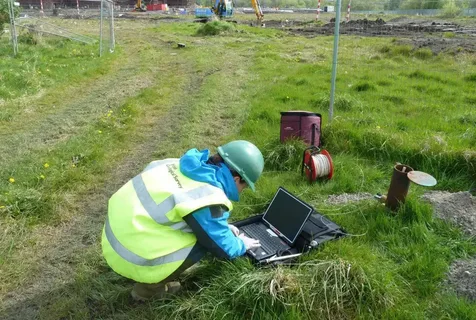
Ground investigations are fundamental to modern construction and development projects. These detailed subsurface assessments protect both people and the environment. Understanding their importance helps communities make safer decisions. Infrastructure projects depend heavily on thorough ground investigation procedures.
What Are Ground Investigations and Why They Matter
Ground investigations involve examining soil, rock, and groundwater conditions below surface. Professionals use specialized techniques to understand ground composition and stability. These investigations reveal potential hazards that could affect construction projects. Communities benefit when developers conduct thorough geological assessments beforehand.
Engineers and geotechnicians work together to assess site conditions thoroughly. They collect samples from various depths to analyze ground properties. This data helps predict how structures will perform over time. Quality ground investigations prevent costly mistakes during construction phases.
The Essential Components of Ground Investigation Work
Site assessment begins with desk studies and historical research of areas. Teams review previous geological surveys and construction records from locations. They examine maps, aerial photographs, and local environmental data carefully. This preliminary work guides where professionals should focus their testing efforts.
Boreholes represent the most common method for gathering subsurface information. Drilling equipment penetrates the ground to retrieve soil and rock samples. These cores show different layers and their characteristics at depth. Samples undergo laboratory testing to determine strength and composition details.
How Environmental Drilling Supports Safe Communities
Environmental drilling provides critical insights into ground conditions beneath the surface. Specialists use rotary drilling, percussion drilling, and other advanced techniques. These methods help identify contaminated soils that could harm public health. Protective measures start with understanding what lies underground in communities.
Ground stability assessment protects buildings, roads, and other infrastructure projects. Unstable ground can cause foundation failures and structural damage later. Investigations prevent disasters by identifying problem areas before construction begins. Communities avoid expensive repairs when professionals identify issues early on.
Testing Methods That Protect Your Community
Laboratory analysis of samples provides crucial information about ground properties. Tests measure soil strength, permeability, and chemical composition accurately. Engineers assess bearing capacity to determine what structures can support. Understanding these factors prevents construction failures that endanger residents. Professional laboratories follow strict quality standards in all testing procedures. Results guide engineers in designing appropriate foundations for projects.
Standard Penetration Tests measure soil resistance to penetration at depth. These tests provide reliable data about ground compaction and density. Results help determine appropriate foundation depths for various construction types. Engineers use this information to design safer building systems overall.
Environmental Protection Through Ground Investigations
Contaminated ground poses serious risks to public health and safety. Ground investigations identify pollutants before they spread to groundwater. Early detection allows communities to implement remediation measures quickly. Protecting drinking water sources requires thorough investigation and monitoring procedures.
Historical industrial activities often leave hazardous materials in ground. Ground investigations reveal these environmental liabilities before development occurs. Remediation becomes easier when contamination is identified early in process. Communities protect future generations through thorough environmental assessment and action.
Infrastructure Projects Depend on Proper Ground Assessment
Roads and highways require detailed information about subsurface conditions. Ground investigations ensure road foundations will withstand traffic loads. Pavement failures cost communities millions in repairs and maintenance. Proper investigations prevent these expensive problems from occurring in future.
Bridges need solid foundations in stable ground to remain safe. Ground investigations determine appropriate foundation types and depths required. Rivers and water bodies require special investigation for erosion risks. Engineers design systems that protect communities from structural failures occurring.
Designing Buildings on Solid Ground
Residential and commercial buildings demand accurate ground assessments beforehand. Investigations identify foundation solutions appropriate for specific soil conditions. Poor foundation design causes cracks, settling, and structural damage eventually. Communities maintain safer housing stock through proper ground evaluation processes.
Multi-story buildings require deeper investigations to understand ground stability. Tall structures need strong foundations capable of supporting heavy loads. Ground investigations provide essential data for safe building design overall. Architects and engineers use this information to create stable structures.
Predictive Capabilities That Save Lives
Ground investigations help professionals predict future ground behavior accurately. Understanding soil and rock properties allows prediction of settlement. Engineers design accordingly to minimize damage and ensure public safety. Predictive analysis prevents surprises during and after construction completion phases.
Seasonal groundwater changes affect building performance and stability. Investigations reveal how water tables fluctuate throughout different seasons. Engineers account for these changes in foundation and drainage designs. Communities avoid water-related damage through proper understanding of hydrology.
Regulatory Compliance and Community Protection
Building codes require ground investigations before major construction projects. Regulations ensure developers understand site conditions thoroughly beforehand. Compliance protects residents from structural failures and environmental hazards. Government agencies mandate these investigations for good public safety reasons.
Professional standards guide how ground investigations are conducted and reported. Industry associations maintain quality benchmarks for investigation procedures and practices. Communities trust that qualified professionals follow established standards consistently. Certification requirements ensure investigators possess proper training and experience.
Economic Benefits of Thorough Ground Assessment
Comprehensive ground investigations prevent costly construction delays and mistakes. Problems discovered during investigation cost less than during construction. Communities save money when projects proceed smoothly without surprises. Economic efficiency improves when professionals plan properly using investigation data.
Insurance companies often require ground investigations before covering projects. Risk assessment depends on thorough understanding of site conditions. Lower insurance premiums reflect reduced project risks through investigation. Financial institutions value the security that proper investigations provide clearly.
Future Protection for Growing Communities
Communities planning future development need current ground investigation data. Growth requires understanding what exists beneath surface in areas. Strategic planning depends on accurate assessment of available buildable land. Ground investigations guide community development and urban planning decisions wisely.
Climate change increases importance of understanding ground and water conditions. Rising water tables and extreme weather require updated assessment procedures. Communities must monitor ground conditions more frequently in future. Adaptation strategies depend on solid understanding of subsurface conditions.
Conclusion: The Foundation of Safe Communities
Ground investigations represent essential investments in community safety and protection. These thorough assessments prevent disasters and protect public welfare significantly. Professional investigation work supports sustainable development and environmental protection goals. Communities that prioritize ground investigations build safer and stronger futures.
Every construction project deserves proper evaluation of ground conditions. Investment in thorough investigations pays dividends through safe infrastructure. Communities protect residents by insisting on comprehensive ground assessment work. Working with qualified professionals ensures investigations meet highest standards available.