
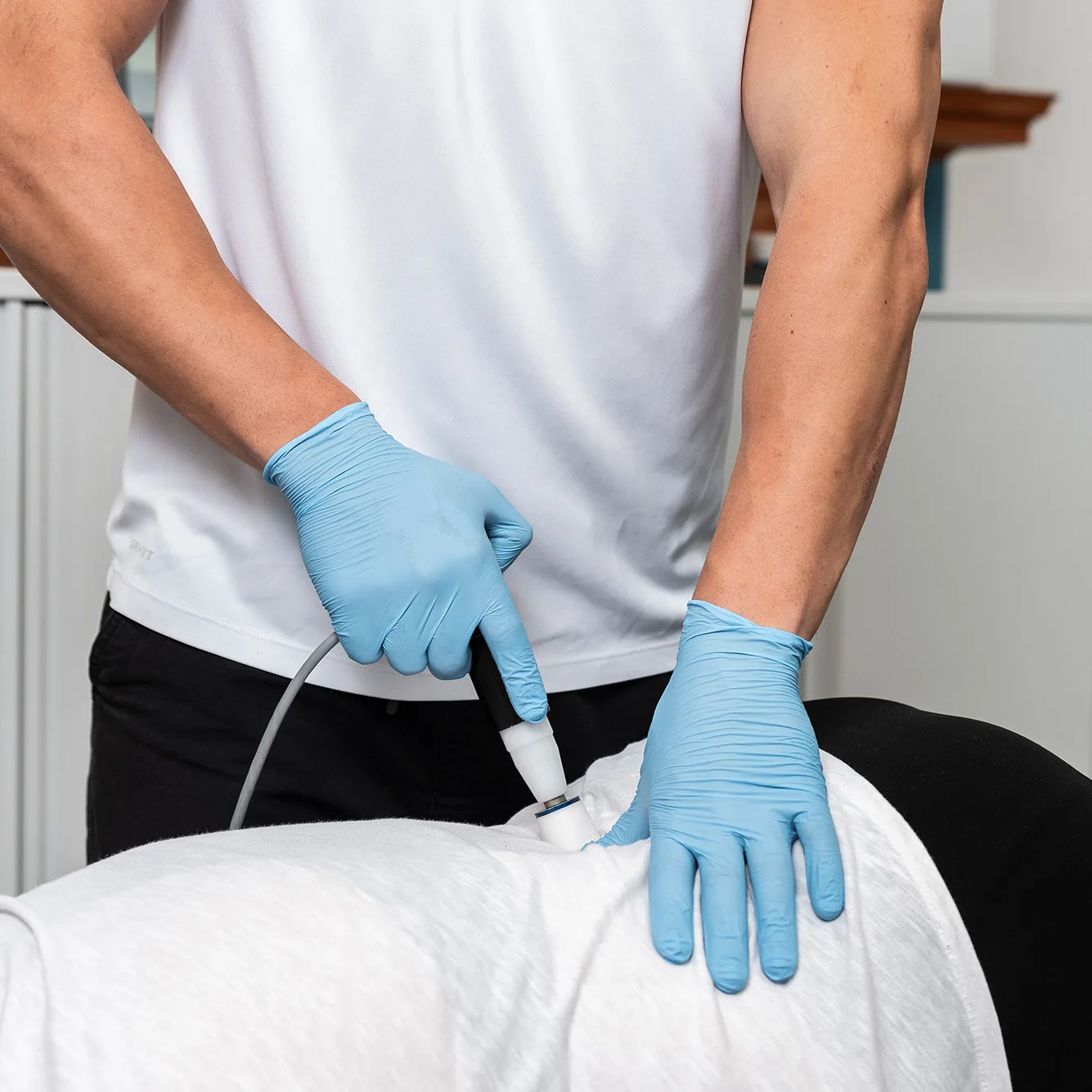
A slipped disc, also referred to as a herniated or prolapsed disc, is a common spinal condition that affects millions of people every year. This condition can cause significant pain, limit mobility, and reduce quality of life if left untreated. Understanding what a slipped disc is, how it develops, and what treatment options are available can help you manage the condition effectively and return to your daily activities with confidence.
What Is a Slipped Disc?
Your spine is made up of a series of bones called vertebrae. Between each vertebra sits a soft, gel-like cushion known as an intervertebral disc. These discs act as shock absorbers, allowing the spine to bend and twist. A slipped disc occurs when the outer layer of the disc weakens or tears, allowing the inner gel to push out or bulge. This bulging material can press on nearby nerves, causing pain and other symptoms.
Common Causes of a Slipped Disc
A slipped disc can result from several factors. It is often associated with:
- Age-related wear and tear: As we age, spinal discs naturally lose water content and become less flexible, increasing the risk of rupture.
- Heavy lifting or sudden strain: Improper lifting techniques or abrupt movements can place excessive pressure on spinal discs.
- Repetitive movements: Jobs or activities that involve repeated bending, twisting, or lifting increase the chance of disc injury.
- Trauma or injury: Falls, accidents, or sports injuries can cause discs to herniate.
- Poor posture: Slouching or maintaining awkward positions for extended periods places extra stress on the spine.
Recognizing the Symptoms
Symptoms of a slipped disc vary depending on the location of the affected disc and whether it presses on a nearby nerve. Common signs include:
- Localized back pain: Pain in the lower or upper back that worsens with movement.
- Radiating pain: Pain that travels down the buttocks, legs (sciatica), shoulders, or arms.
- Numbness or tingling: Affected nerves may cause sensations of tingling or numbness in the extremities.
- Weakness: Muscles served by the affected nerve may weaken, affecting mobility.
- Loss of reflexes: Reflexes in the legs or arms may diminish when nerves are compressed.
When to Seek Medical Attention
Mild slipped disc symptoms can often improve with conservative care, but certain signs require prompt medical evaluation. Contact a healthcare provider if you experience:
- Loss of bowel or bladder control
- Severe or worsening pain
- Progressive weakness in your legs or arms
- Pain that interferes with daily activities
These symptoms can indicate nerve damage that needs immediate attention.
Effective Treatment Options
Treatment for a slipped disc depends on the severity of your symptoms, overall health, and lifestyle goals. Many patients improve with conservative, non-surgical care recommended by spine specialists:
- Rest and activity modification: Avoiding movements that trigger pain helps reduce irritation and inflammation.
- Physical therapy: Guided exercises strengthen core muscles, improve flexibility, and support spinal alignment.
- Pain relief medications: Over-the-counter or prescribed medications can help manage inflammation and discomfort.
- Heat and cold therapy: Alternating heat and cold can reduce muscle spasm and swelling.
- Lifestyle adjustments: Improving posture, using ergonomic tools, and maintaining a healthy weight reduces stress on the spine.
Advanced Care and Surgery
If non-surgical treatments do not relieve symptoms or nerve compression worsens, advanced interventions may be considered. A spine specialist can assess whether procedures such as minimally invasive surgery are appropriate to remove or repair the herniated disc.
Conclusion
A slipped disc can be painful and disruptive, but with the right approach and professional guidance, recovery is possible. Early diagnosis, targeted treatments, and consistent care help most people return to active, pain-free living. If you suspect a slipped disc or experience persistent back pain, reach out to a qualified spine and back care provider for personalized evaluation and treatment planning.
How a Slipped Disc Is Diagnosed
Accurate diagnosis is essential for effective slipped disc treatment. A spine specialist usually begins with a detailed medical history and physical examination. During the exam, the doctor may check posture, spinal movement, muscle strength, reflexes, and nerve responses. Simple movements such as lifting the leg or bending forward can help identify nerve compression.
If symptoms persist or are severe, imaging tests may be recommended. An MRI scan is the most commonly used diagnostic tool because it provides clear images of spinal discs, nerves, and surrounding tissues. X-rays may be used to rule out fractures or alignment issues, while CT scans can offer additional detail in certain cases. Proper diagnosis ensures that treatment is targeted and avoids unnecessary procedures.
Daily Activities and Lifestyle Changes for Recovery
Living with a slipped disc does not always mean complete rest. In fact, staying gently active under medical guidance often promotes faster recovery. Small lifestyle adjustments can significantly reduce pain and prevent further injury.
Maintaining proper posture while sitting, standing, and sleeping is critical. Using ergonomic chairs, lumbar supports, and supportive mattresses helps reduce pressure on the spine. Avoid sitting for long periods and take short breaks to stretch and move.
Regular low-impact exercises such as walking, swimming, or guided stretching improve blood flow and strengthen supporting muscles. Core-strengthening exercises are especially helpful, as strong abdominal and back muscles reduce stress on spinal discs.
Weight management also plays an important role. Excess body weight increases pressure on the spine, especially in the lower back. Maintaining a healthy weight can ease symptoms and support long-term spinal health.
Preventing a Slipped Disc From Recurring
Once you recover from a slipped disc, prevention becomes the next priority. Recurrence is possible if spinal care is ignored. Simple preventive measures can greatly reduce future risk.
Always use proper lifting techniques by bending at the knees rather than the waist. Avoid sudden twisting movements, especially when lifting heavy objects. Strengthening exercises, flexibility training, and posture correction help protect spinal discs from excess strain.
Staying active, managing stress, and avoiding smoking are also important. Smoking reduces blood flow to spinal tissues, slowing healing and increasing degeneration risk. A healthy lifestyle supports disc health and overall spine strength.
Emotional and Mental Impact of Slipped Disc Pain
Chronic back pain from a slipped disc can affect mental well-being. Pain-related stress, sleep disruption, and limited mobility may lead to anxiety or low mood. Addressing emotional health is just as important as treating physical symptoms.
Open communication with healthcare providers, following treatment plans, and maintaining realistic recovery expectations help reduce stress. Support from family, physical therapists, or counseling professionals can also improve recovery outcomes.
Long-Term Outlook and Recovery
The good news is that most people with a slipped disc recover without surgery. With early diagnosis, proper treatment, and lifestyle changes, symptoms often improve within weeks to months. Patience and consistency are key, as spinal healing takes time.
By following medical advice, staying active safely, and prioritizing spinal care, individuals can regain mobility, reduce pain, and return to normal activities. Seeking professional guidance early ensures the best chance for a full and lasting recovery.