
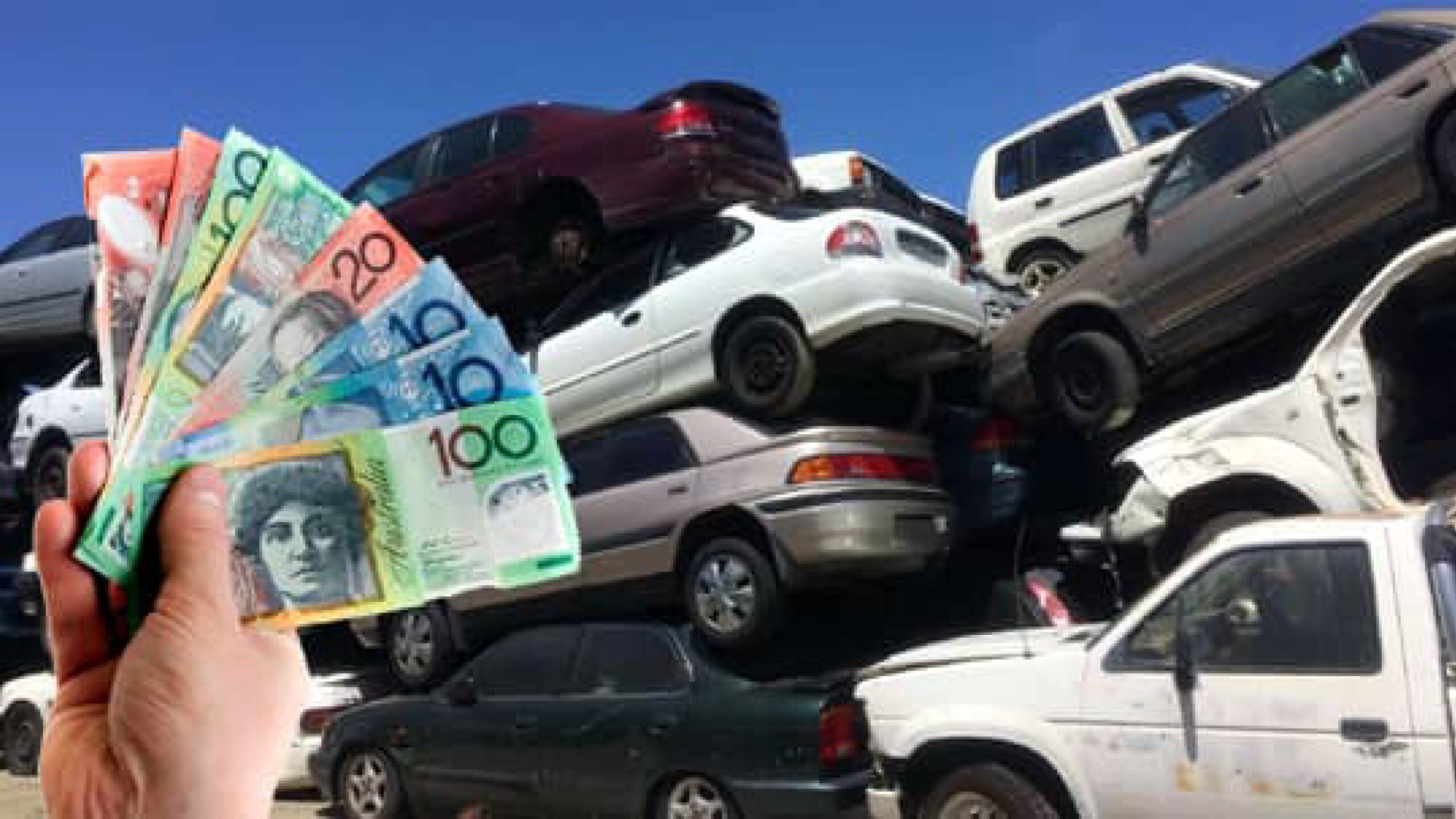
Cities grow every year. New homes rise, roads expand, and populations increase. Sydney stands as one of the fastest-growing urban areas in Australia. With this growth comes pressure on space, transport systems, and local resources. One issue that often goes unnoticed involves old and unused vehicles. These cars sit in driveways, side streets, and yards, slowly becoming part of the urban clutter.
Understanding how vehicle removal systems support growing cities helps residents see the wider picture. Old cars are not just a personal concern. They affect space use, safety, and environmental balance across the city.
Urban Growth and the Space Problem
Sydney adds thousands of residents each year. More people mean more cars. While new vehicles enter the roads, older ones often remain parked without use.
Urban studies show that limited space becomes one of the first challenges in expanding cities. Parking areas fill quickly. Narrow streets become crowded. Suburbs with older housing layouts face pressure from extra vehicles.
An unused car may seem harmless, but when multiplied across thousands of homes, the impact becomes clear.
How Unused Cars Affect City Living
Old vehicles create several daily challenges in urban areas.
Blocked Space
Unused cars occupy driveways, garages, and street parking. These spaces could serve active vehicles or community needs.
Street Congestion
Cars parked long-term reduce road width. This affects traffic flow, waste collection, and emergency access.
Visual Decline
Abandoned vehicles reduce street appeal. This influences property presentation and neighbourhood pride.
Safety Risks
Rusting bodies, leaking fluids, and unstable parts increase risk in residential areas.
As cities grow denser, these issues become harder to ignore.
Environmental Pressure in Expanding Cities
Sydney faces increasing environmental demands. Managing waste, reducing pollution, and protecting land matter more each year.
Old vehicles contribute to environmental strain when left unmanaged.
Facts related to e waste in Australia:
-
Cars contain steel, aluminium, copper, rubber, and plastics
-
Oil, coolant, and fuel residue can harm soil
-
Metal recycling reduces demand for new mining
Removing unused cars from residential spaces allows these materials to return to productive use rather than becoming urban waste.
The Role of Vehicle Removal in Urban Planning
Urban planning does not focus only on roads and buildings. It also considers how people manage private property within shared spaces.
Removing old vehicles helps cities in several ways:
-
Frees parking areas
-
Reduces roadside clutter
-
Improves access for services
-
Supports recycling targets
City councils across New South Wales encourage responsible disposal of end-of-use vehicles to support urban balance.
How Vehicle Removal Supports Safer Neighbourhoods
Safety remains a core concern in growing cities.
Unused vehicles may:
-
Leak fluids that create slip hazards
-
Attract pests such as rodents
-
Become unstable due to rust
-
Block sight lines on streets
Removing these vehicles reduces risks for children, pedestrians, and other drivers. Cleaner streets support safer daily movement.
Recycling and Material Recovery in NSW
New South Wales follows structured recycling standards. Vehicles play a major role in metal recovery.
Once removed, cars go through several steps:
-
Fluids are drained and handled correctly
-
Reusable parts are separated
-
Metals are processed for reuse
-
Remaining materials are sorted
Studies show that a large portion of a vehicle by weight can return to production cycles. This reduces landfill pressure and supports sustainable growth.
Why Growing Cities Need Better Space Use
Space in cities carries value. A single parking space may support daily work travel, deliveries, or visitors. When old cars occupy that space, city efficiency drops.
Better space use leads to:
-
Improved traffic movement
-
Better access for services
-
Cleaner residential zones
-
Reduced neighbourhood tension
Removing unused vehicles helps cities function with less friction.
Legal and Community Expectations
In many Sydney suburbs, long-term parked vehicles attract attention from councils and residents.
Local rules often include:
-
Restrictions on unregistered vehicles
-
Limits on long-term street parking
-
Requirements for clear access
Ignoring these rules may lead to warnings or removal notices. Handling unused vehicles early helps owners avoid issues.
A Practical Approach for Sydney Residents
As Sydney expands, residents seek ways to manage space responsibly. One practical method involves cash for cars sydney nsw, which supports vehicle removal in line with local standards. This option helps households clear unused vehicles while allowing materials to re-enter recycling systems. It fits the needs of a growing city where space, safety, and material reuse matter more each year.
Project URL: add your project url
The Connection Between Growth and Responsibility
City growth requires shared responsibility. Individual choices affect the wider community.
When residents manage unused vehicles properly:
-
Streets remain open
-
Neighbourhoods stay organised
-
Environmental impact reduces
-
Recycling systems stay active
Small actions contribute to larger urban health.
Planning for the Future of Sydney
Sydney continues to develop vertically and outward. Transport needs evolve. Housing density increases.
Managing old vehicles supports future planning by:
-
Keeping streets adaptable
-
Reducing waste buildup
-
Supporting infrastructure use
-
Protecting residential safety
Cities that manage end-of-use assets well adapt more smoothly to growth.
Why Awareness Matters
Many car owners delay decisions due to uncertainty or lack of information. Understanding how vehicle removal fits into city growth helps remove hesitation.
Awareness leads to:
-
Timely action
-
Reduced risk
-
Better space use
-
Cleaner surroundings
In growing cities, informed choices matter.
Final Thoughts
Sydney stands at a point where growth and responsibility must align. Old vehicles may seem like a private issue, but their impact reaches beyond individual homes. Managing unused cars supports safer streets, better space use, and environmental care.
As cities expand, solutions that reduce clutter and support recycling play an important role. Clearing unused vehicles helps Sydney remain liveable, organised, and ready for future growth