
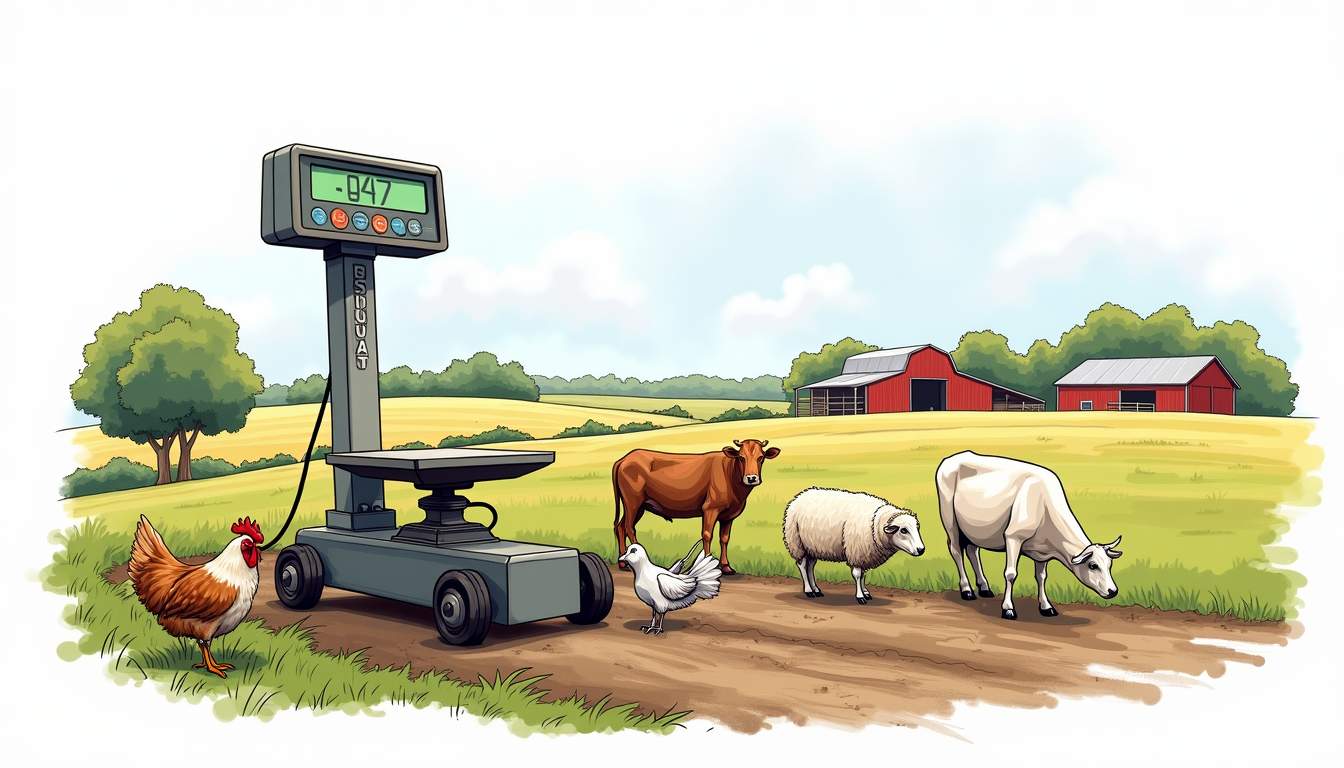
Imagine trying to manage a busy farm without an accurate way to weigh your livestock or harvest. It’s like trying to bake a cake without measuring cups-guesswork leads to mistakes, wasted resources, and missed opportunities. That’s why durable agricultural scales have become essential tools for farmers and ranchers who want precision, reliability, and efficiency in their daily operations.
Why Accurate Weighing Matters on the Farm
Weight isn’t just a number on the scale—it’s a critical piece of information that affects many aspects of farm management. Whether you’re tracking animal growth, dosing medication, selling produce, or monitoring feed intake, knowing the exact weight can make a big difference.
Take livestock, for example. Overfeeding or underfeeding animals can lead to health problems, reduced productivity, and financial loss. Without an accurate scale, it’s tough to know if your animals are gaining weight at the right pace. This can also impact breeding decisions and market readiness. By regularly weighing livestock, farmers can implement more precise feeding regimens tailored to each animal’s growth stage, ensuring optimal health and performance. Additionally, accurate weight data can help in identifying any potential health issues early on, allowing for timely interventions that can save both animals and costs.
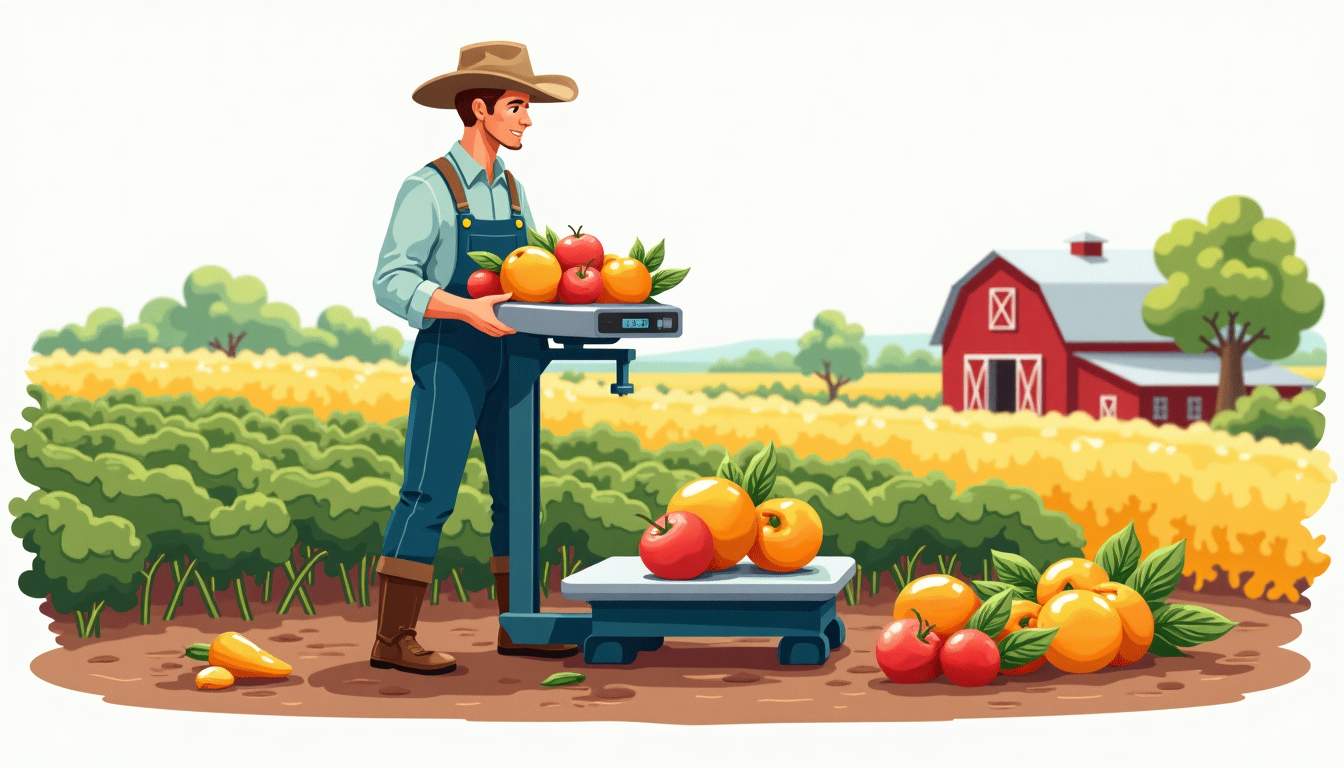
On the crop side, weighing harvested produce helps in inventory management and pricing. Farmers can avoid undercharging or overcharging buyers by having precise weights. Plus, it helps in planning storage and transportation logistics. The importance of accurate weighing extends beyond just financial considerations; it also plays a role in sustainability practices. By knowing the exact weight of harvested crops, farmers can better assess their yield efficiency and make informed decisions about resource allocation, such as water and fertilizer usage. This data-driven approach not only enhances productivity but also contributes to more sustainable farming practices that can benefit the environment in the long run. For high-quality weighing solutions, you can visit Scales4U website to explore their range of livestock and crop scales.
Types of Agricultural Scales and Their Uses
Platform Scales for Bulk Weighing
Platform scales are a staple on many farms. These scales come with a flat surface large enough to hold crates of vegetables, sacks of grain, or even small livestock. Their sturdy construction allows them to handle heavy loads without damage.
Farmers appreciate platform scales because they are versatile and straightforward to use. Some models feature digital readouts for quick and accurate measurements, while others rely on mechanical dials. The choice often depends on budget and specific needs. Additionally, many modern platform scales are equipped with advanced features such as tare functions, allowing farmers to subtract the weight of containers for precise net weight readings. This is particularly useful when dealing with bulk produce or feed, where accuracy can significantly impact profitability.
Moreover, platform scales can be found in various configurations, including low-profile designs that facilitate easy loading and unloading. Some models are even designed for outdoor use, featuring weather-resistant materials that ensure longevity in harsh farming environments. This adaptability makes platform scales an essential tool for farmers looking to optimize their operations and ensure they are getting the best value from their products.
Livestock Scales: Built for Animals
Livestock scales are designed with animal safety and comfort in mind. They often include side rails or cages to keep animals steady during weighing. This reduces stress for both the animals and the handler.
These scales come in various sizes, from small units for sheep and goats to large scales capable of weighing cattle or even horses. Many feature ramps for easy loading and unloading, and some have integrated software to track weight changes over time. This tracking capability is invaluable for farmers who need to monitor the growth and health of their livestock, as weight can be a critical indicator of overall well-being.
Furthermore, some livestock scales are equipped with advanced technology to facilitate remote monitoring and data collection. This means farmers can analyze weight trends over time, helping them make informed decisions regarding feed management and breeding programs. The investment in a quality livestock scale not only enhances operational efficiency but also contributes to better animal husbandry practices, ultimately leading to healthier herds and improved yields.
Portable Scales for On-the-Go Weighing
Portability is a game-changer for farmers who need to weigh animals or produce in different locations. Portable agricultural scales are lightweight and often battery-powered, making them ideal for remote fields or temporary setups.
Despite their compact size, these scales don’t compromise on durability. They are built to withstand rough handling and outdoor conditions, ensuring accurate readings wherever you are on the farm. Many portable scales also come with user-friendly interfaces, allowing for quick setup and operation, which is crucial when time is of the essence during busy harvest seasons.
In addition to weighing livestock, portable scales can also be used for measuring feed, fertilizers, or even harvested crops, making them a versatile tool for any agricultural operation. Some models even include Bluetooth connectivity, enabling farmers to sync data with their smartphones or tablets for easy tracking and management. This technological integration not only enhances the efficiency of weighing tasks but also supports better overall farm management through real-time data access and analysis.
Key Features to Look for in Durable Agricultural Scales
Robust Construction
Farms are tough environments. Scales must endure dirt, moisture, heavy weights, and frequent use. Look for models made from stainless steel or heavy-duty aluminum, as these materials resist rust and corrosion.
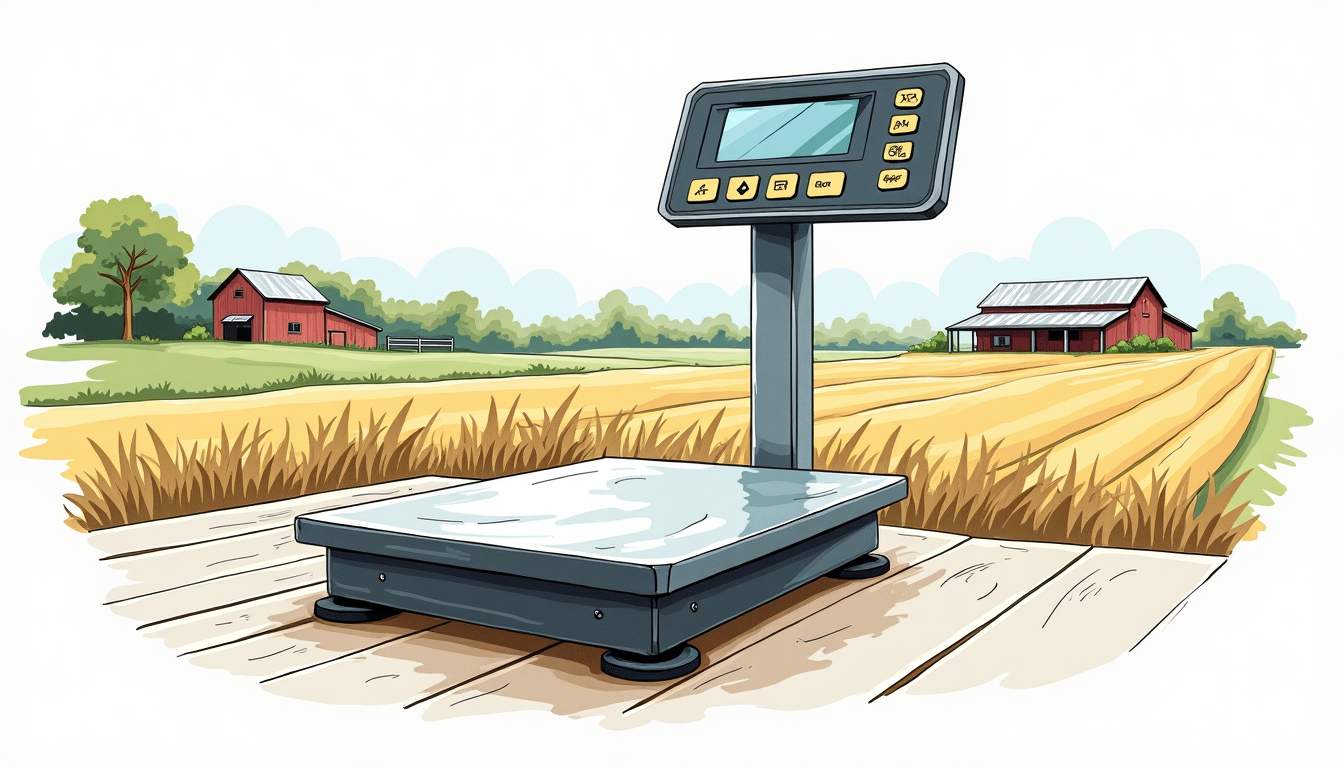
Welded frames and reinforced platforms add to the longevity of the scale. The last thing you want is a fragile scale that breaks down during harvest season or when you’re weighing livestock.
Accuracy and Precision
Accuracy is non-negotiable. Even small errors can lead to costly mistakes in feeding, medication, or sales. Check the scale’s resolution and calibration options. Some scales allow you to recalibrate easily, ensuring consistent accuracy over time.
Digital scales often provide better precision than analog ones, but they require batteries or power sources. Consider your farm’s setup when choosing between the two.
Ease of Use and Maintenance
A scale that’s complicated to operate or maintain can slow down your workflow. Look for intuitive controls, clear displays, and easy-to-clean surfaces. Scales with removable platforms or washable covers simplify hygiene, especially important when weighing animals.
Regular maintenance is crucial for durability. Choose scales with accessible parts and good manufacturer support to keep your equipment in top shape.
Weight Capacity and Size
Match the scale’s capacity to your farm’s needs. Overloading a scale can damage it and produce inaccurate results. For livestock, consider the heaviest animals you’ll weigh and add a margin for safety.
The platform size should accommodate your typical loads comfortably. Too small, and you risk instability; too large, and you might pay for unused space.
Integrating Technology for Smarter Farm Management
Modern agricultural scales aren’t just about weight anymore. Many come equipped with smart features that streamline farm operations.
Data Logging and Connectivity
Some scales connect to smartphones or computers via Bluetooth or Wi-Fi, allowing farmers to log weights automatically. This eliminates manual record-keeping errors and saves time.
Data can be analyzed to track growth trends, optimize feeding schedules, and prepare reports for buyers or regulators. Integration with farm management software makes this process seamless.
Wireless and Remote Monitoring
Wireless scales enable weighing without being tethered to a fixed location. This is especially useful in large pastures or during livestock auctions. Remote monitoring means you can check weights from a distance, reducing animal stress and improving safety.
Battery Life and Power Options
Long battery life is essential for portable and wireless scales. Some models offer rechargeable batteries with quick charging times, while others use replaceable batteries for convenience.
Solar-powered options are emerging, providing sustainable energy solutions for farms off the grid.
Choosing the Right Scale for Your Farm
Every farm is unique, so the best scale depends on your specific needs and budget. Here are some tips to help you decide:
- Assess your weighing needs: What will you weigh most often? Animals, produce, feed? How heavy are the typical loads?
- Consider your environment: Are you weighing indoors, outdoors, or both? How harsh are the conditions?
- Think about portability: Do you need to move the scale frequently?
- Budget wisely: Invest in quality to avoid frequent replacements, but balance cost with features you actually need.
- Look for support and warranty: Reliable customer service and good warranty terms can save headaches down the road.
Maintaining Your Agricultural Scale for Longevity
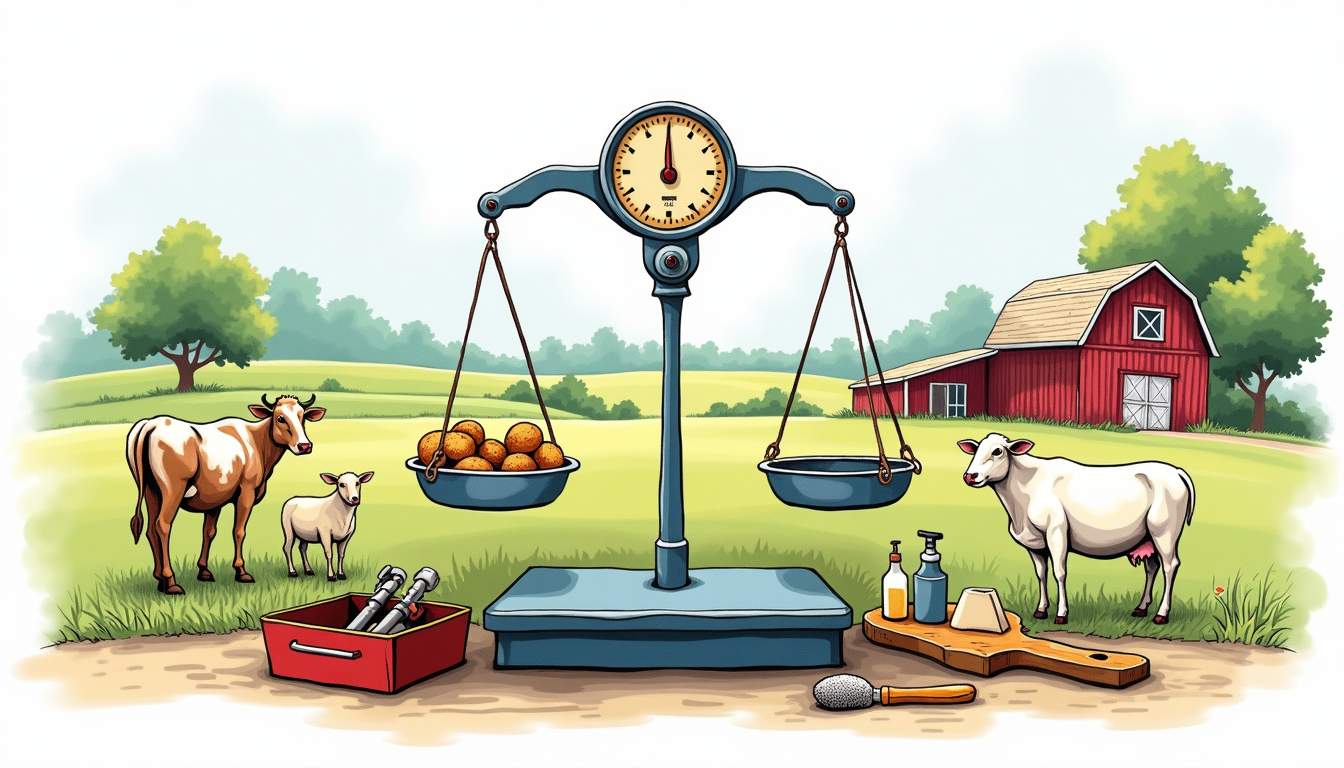
Even the toughest scales need care. Regular maintenance ensures accuracy and extends the lifespan of your investment.
Cleaning and Inspection
Keep the scale clean from dirt, manure, and moisture. Use mild detergents and avoid harsh chemicals that can damage surfaces. Inspect the scale regularly for signs of wear, loose bolts, or corrosion.
Calibration Checks
Calibrate your scale periodically, especially if it’s digital. Follow manufacturer instructions or hire a professional service. Proper calibration keeps your measurements trustworthy.
Storage Tips
When not in use, store the scale in a dry, sheltered area. Protect it from extreme temperatures and direct sunlight to prevent damage to electronic components.
Conclusion
Durable agricultural scales are more than just tools-they’re partners in managing a successful farm. They provide the data farmers need to make informed decisions, improve animal welfare, and maximize profits. By choosing the right scale and maintaining it well, you set your farm up for smoother operations and better results season after season.
Whether you’re weighing a single calf or a truckload of apples, investing in a reliable, accurate scale pays off. It’s a small step that leads to big gains in efficiency and confidence on the farm.