
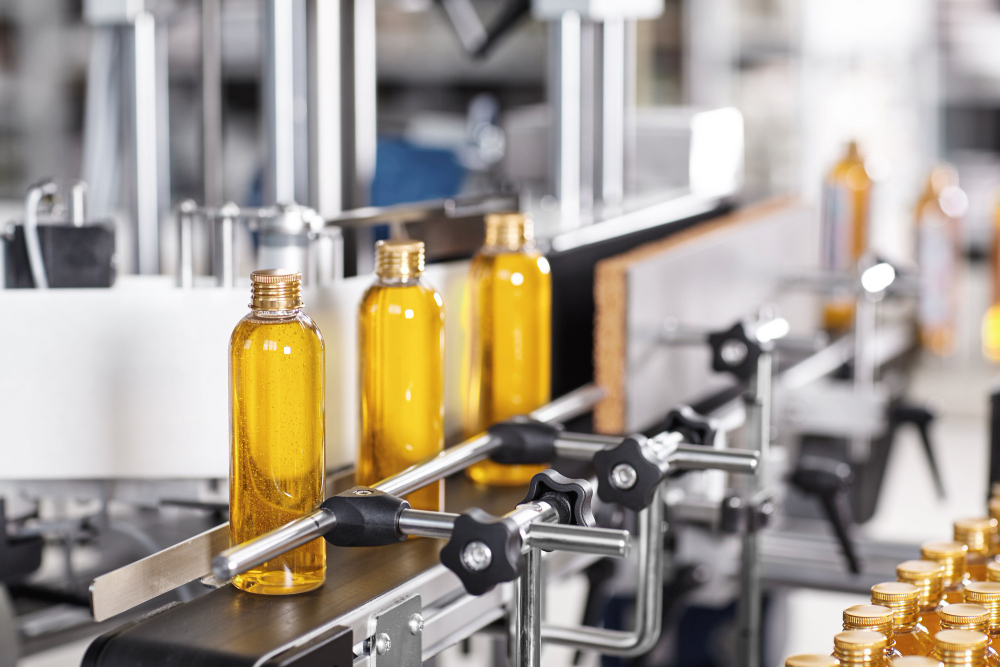
Many small business owners require a reliable source for packaging their products. For many brands, finding the right bottle manufacturer in the Philippines is yet another important step to success. Packaging protects the product and also shows the brand’s image to customers. Success will depend on choosing a partner that understands the needs of a small business.
What Bottles Do Small Businesses Need?
Businesses must first know what type of bottle they need before beginning a search. This initial decision impacts the safety and appearance of the final product. Identifying the correct specifications helps narrow down the list of potential suppliers.
Common Bottle Materials
Materials for bottles can be plastic, glass, or aluminum. Each material has different features regarding cost, look, and how well it protects the product.
Plastic Bottles
Plastic is lightweight and, in most cases, less expensive to produce. There are types of plastic, such as PET or HDPE, which provide different levels of product protection and clarity. This is also a common material for products requiring shatter resistance.
Glass Bottles
Glass gives a premium feel and provides excellent protection against product contamination. It is suitable for food, beverages, and cosmetic oils. However, glass is heavier and more fragile than plastic.
Aluminum Bottles
Aluminum is strong, yet lightweight, while it provides complete protection from light and air. It is commonly used for aerosol products or certain kinds of beverages.
Defining Size and Design
It’s also important for the manufacturing process to know the required size and shape of the bottle: the volume of the product that the bottle should accommodate, precisely calculated by a small business. The shape affects the look of the bottle on the store shelf and its ease of handling. Simple shapes usually cost less to produce than complex or custom shapes.
Services Offered by Manufacturers
Bottle manufacturers usually offer a few different services to meet various business needs. Understanding these services helps a small business select the most appropriate partner.
Standard vs. Custom Production
Some manufacturers focus only on producing standard bottle shapes in large amounts. Standard bottles are affordable and quickly available since the molds already exist. Other companies offer custom molding. They create a bottle that is unique to the business. Custom designs help a product stand out, but they cost more at the start for mold creation.
Minimum Order Quantities (MOQs)
Small businesses must look for a manufacturer that offers low minimum order quantities, or MOQs. The MOQ is the smallest number of units a manufacturer will produce in a single order. Low MOQs help small businesses manage their cash flow and reduce storage costs. A high MOQ can lead to unnecessary expenses and wasted inventory.
Vetting Potential Suppliers
Finding a production partner involves careful research and thorough checks. This due diligence ensures the manufacturer is capable and reliable.
Conducting Research
Finding a list of local manufacturers can be done through online business directories or industry trade associations. Checking the manufacturer’s experience in producing the specific type of bottle needed is a good first step. Reading reviews or getting references from other small businesses is also a helpful practice.
Facility Visits and Sampling
It is helpful to visit the manufacturer’s facility if possible. Visiting the site shows how the production is managed and how the company handles quality control. This personal inspection confirms the manufacturer’s professionalism and cleanliness. Asking for samples of their finished bottles is a necessary step before making any final commitment. Samples allow the business to test the bottle’s fit, function, and overall quality.
Quality, Safety, and Pricing
The quality of the bottle directly affects the safety and shelf life of the product. Manufacturers should follow safety standards for food-grade or cosmetic-grade containers.
Quality Control Processes
Businesses must ask about the manufacturer’s quality control process to make sure every bottle meets set standards. This includes checking for defects, ensuring uniform thickness, and verifying material purity. A reliable manufacturer will be open about their safety and testing procedures. The business must confirm that the supplier complies with all local regulations.
Understanding the Cost
Manufacturers will have different ways of calculating the price per bottle. The total cost includes the price of raw materials, the costs to make the product, and any mold fees. Small businesses must get a detailed price quote to avoid unexpected charges later on. Negotiating favorable payment terms can help the business manage its budget over time. For custom orders, the business must clearly understand the cost of creating and owning the mold.
Logistics and Communication
Successful supply relies heavily on the efficient movement and delivery of finished products. Clear communication between the business and the manufacturer is vital for a smooth process.
Shipping and Delivery
Consider how the finished bottles will be delivered to your business location. Manufacturers may offer delivery services or require the business to arrange transport. The location of the manufacturer affects shipping costs and delivery speed. Small businesses should plan for potential delays in shipping.
Importance of Communication
Clear communication about delivery schedules is necessary to keep the small business’s production line running smoothly. A good partner will provide regular updates on the order status and promptly address any concerns. Having a dedicated contact person at the manufacturing company helps simplify the relationship.
Key Takeaway
Finding the right production partner can feel difficult for a small business. Taking the time to research and understand what each company offers is important. A good partnership with a local bottle manufacturer in the Philippines provides a steady supply of high-quality packaging for your products.