
Inflammation affects daily comfort, energy, digestion, skin health, and long-term wellbeing. You might notice stiff joints in the morning, swelling after minor injuries, skin flare-ups, or persistent fatigue. While medication has a place, many people prefer gentle, natural options that support the body without relying on tablets long term. This guide speaks directly to patients, caregivers, and anyone seeking clear, practical steps to calm inflammation using food, lifestyle habits, and traditional plant-based support—written in plain language and grounded in medical insight.
What inflammation means for your body
Inflammation is your body’s protective response to injury, infection, or irritation. Short-term inflammation helps healing. Ongoing inflammation, however, can fuel joint pain, skin problems, digestive upset, and cardiovascular strain. You can reduce unnecessary inflammatory triggers while strengthening your natural defences through daily choices.
Anti-inflammatory eating that fits real life
Food choices shape inflammatory pathways every day. You do not need extreme diets; consistency matters more.
Build meals around whole foods
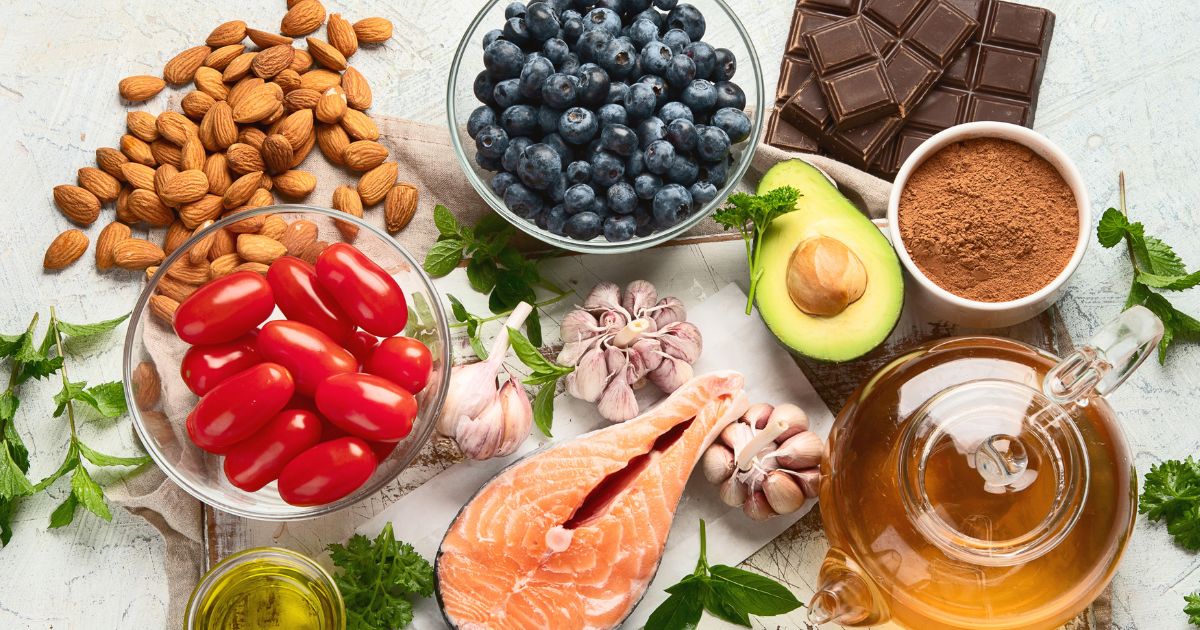
- Colourful vegetables and fruits provide polyphenols and vitamins that calm inflammatory signals. Aim for leafy greens, berries, tomatoes, peppers, and cruciferous vegetables.
- Healthy fats such as extra-virgin olive oil, avocados, nuts, and seeds support cell membranes and reduce inflammatory messengers.
- Lean proteins like fish, eggs, pulses, and yoghurt help tissue repair without excess saturated fat.
Prioritise omega-3 fats
Oily fish (salmon, sardines, mackerel) twice weekly can reduce joint stiffness and skin redness. If you avoid fish, consider ground flaxseed or chia seeds added to porridge or yoghurt.
Reduce common dietary triggers
You may notice flare-ups with refined sugars, ultra-processed snacks, and excessive alcohol. Try gradual reductions rather than strict bans to improve adherence.
Support the gut
Fermented foods—live yoghurt, kefir, sauerkraut—help balance gut bacteria, which influences inflammation across the body.
Hydration and inflammation control
Water supports circulation and toxin removal. Mild dehydration can worsen headaches and muscle soreness. Aim for pale-yellow urine across the day. Herbal infusions count, especially ginger or turmeric teas.
Movement that soothes rather than strains
Regular movement lowers inflammatory markers, but intensity matters.
- Low-impact exercise such as walking, cycling, swimming, and yoga improves circulation without overloading joints.
- Mobility and stretching keep tissues supple and reduce stiffness.
- Consistency over intensity brings better results than sporadic, strenuous sessions.
If pain flares, shorten sessions rather than stopping entirely.
Sleep: your nightly anti-inflammatory reset
Poor sleep raises cortisol and inflammatory chemicals. Protect sleep by keeping a regular schedule, limiting caffeine after midday, and dimming lights in the evening. Aim for 7–9 hours, adjusting for personal needs.
Stress reduction with physical benefits
Chronic stress keeps inflammation switched on. Simple daily practices help:
- Slow breathing for five minutes lowers stress hormones.
- Mindful breaks reduce muscle tension.
- Time outdoors improves mood and inflammatory balance.
Weight balance and inflammation
Excess body fat releases inflammatory substances. Gentle, sustainable weight loss through food quality and movement can lower inflammation and improve joint comfort, blood pressure, and skin health.
Natural supplements with evidence
Before supplements, optimise food and lifestyle. If you choose supplements, quality and dosage matter.
- Turmeric (curcumin) supports joint and digestive comfort; take with black pepper for absorption.
- Ginger helps muscle soreness and gut inflammation.
- Vitamin D supports immune balance, especially with limited sun exposure.
- Magnesium may ease muscle tension and improve sleep.
Discuss supplements with a clinician if you take medication or manage chronic illness.
Skin inflammation and daily care
Inflammation often shows on the skin as redness, swelling, or tenderness. Gentle cleansing, fragrance-free moisturisers, and sun protection reduce flare-ups. Avoid harsh exfoliation during active inflammation.
Herbs traditionally used alongside cellulitis care (supportive section)
Cellulitis involves acute skin inflammation and infection and always requires prompt medical treatment. Alongside prescribed care, people often ask about traditional plant support used for comfort and skin care. This section focuses on supportive practices only, not replacements for antibiotics.
- Calendula has a history of topical use to soothe irritated skin and support repair.
- Chamomile offers calming effects when used in compresses for surrounding skin comfort.
- Echinacea has traditional immune-support use; oral forms may support general immune balance during recovery.
- Garlic features in traditional diets for immune support; culinary use is safest.
For readers seeking broader background, you can explore Herbal Remedies for Cellulitis to see how traditional practices are discussed alongside medical care. If you prefer an overview that emphasises non-pharmaceutical support while respecting clinical treatment, review Natural Treatment for Cellulitis. When choosing topical options, look for reputable Herbal Care Products formulated for sensitive or compromised skin.
Always follow medical advice for cellulitis and seek urgent care if symptoms worsen.
Inflammation and chronic conditions
Inflammation contributes to arthritis, cardiovascular disease, metabolic issues, and some autoimmune conditions. Natural strategies support overall management but do not replace medical treatment. Regular reviews with your healthcare team help align lifestyle choices with clinical care.
Practical daily plan
Morning
- Hydrate on waking.
- Eat a protein-rich breakfast with fruit or vegetables.
- Take a brisk walk or stretch.
Midday
- Build a balanced lunch with vegetables, healthy fats, and lean protein.
- Step outside for light exposure.
Evening
- Choose a lighter dinner with vegetables and whole grains.
- Limit screens before bed.
- Practice slow breathing.
Common questions you may have
How long before I feel benefits?
Some people notice changes in energy and stiffness within two weeks; deeper changes take 6–8 weeks of consistency.
Can I stop medication?
Do not stop prescribed medication without medical guidance. Natural approaches complement care.
Are natural methods safe for everyone?
Most lifestyle changes are safe. Supplements and herbs require caution during pregnancy, breastfeeding, or with medical conditions.
Key takeaways
You can reduce inflammation without medication by combining whole foods, regular gentle movement, restorative sleep, stress management, and selective use of supplements. These steps support joints, skin, digestion, and long-term health. For acute infections such as cellulitis, always prioritise medical treatment and use traditional plant support only as a complement.
If you want help creating a personalised plan that fits your condition, routine, and preferences, speak with a qualified healthcare professional who values both clinical care and lifestyle medicine.