
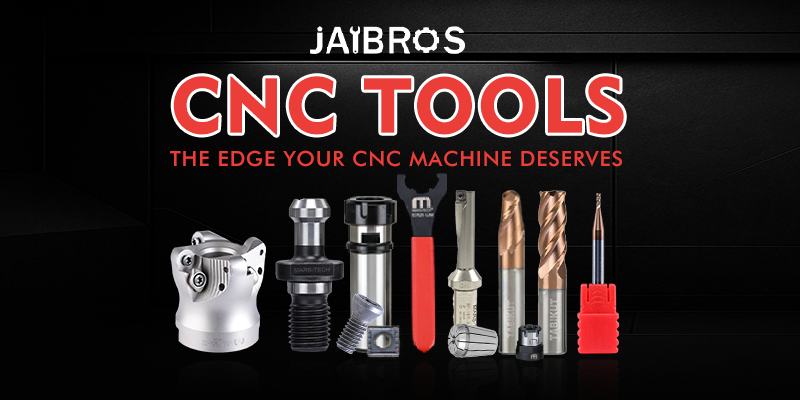
What to Look for When Buying CNC Tools
CNC Tools are necessary for a machining company, no matter the size; whether you are a small machine shop or a large manufacturing facility. The CNC tools performance affects both the accuracy and surface finish of the parts being made, so you must consider which type of tool will best fit the parts you will produce. So likewise, ensure purchasing only high-quality CNC at a reasonable price, so that your company doesn’t face significant amounts of tool failures/problems or be forced to pay extraordinarily high prices for tools. This guide will help you determine the quality, price, and performance of tools so that you can confidently select the most suitable CNC for your company.
Understanding Performance in CNC Machining
What Performance Really Means
When evaluating tools, performance refers to how efficiently and consistently the tool cuts material under real working conditions. This includes cutting speed, feed rate capability, vibration control, heat resistance, and tool life. A high-performing tool allows stable machining even during long production cycles.
Real-World Example
In automotive component machining, tools with optimized geometry and coatings allow higher spindle speeds without compromising accuracy. This results in faster cycle times and fewer tool changes, which directly improves productivity. Matching the tool to the correct CNC machine tools is essential to achieve such results.
Key Performance Factors to Check
- Tool material (carbide, HSS, ceramic)
- Coating type for heat and wear resistance
- Geometry designed for specific operations like milling or turning
Evaluating Price Without Compromising Results
Looking Beyond the Purchase Cost
The price of tools should never be judged only by the initial cost. A cheaper tool that wears out quickly can increase downtime and replacement expenses. Instead, consider cost per component produced.
Smart Cost Comparison
For example, a slightly higher-priced tool that lasts twice as long may reduce overall machining costs. When comparing prices across a CNC tools online shop India, always check specifications, compatibility, and expected tool life rather than choosing the lowest price.
Budget Planning Tips
- Calculate tool cost per job
- Factor in regrinding or replacement frequency
- Avoid overpaying for features you don’t need
Assessing Quality and Reliability
Signs of High-Quality Tools
Quality in CNC tools is reflected in consistent dimensions, proper heat treatment, and reliable coatings. High-quality tools maintain sharpness longer and deliver predictable results across batches.
Manufacturer Matters
Choosing a reputed tools manufacturer ensures proper quality control, testing standards, and technical support. Established manufacturers invest in research, which results in better tool designs and longer service life.
Quality Checklist
- Certifications and manufacturing standards
- Consistency in batch performance
- Technical documentation and support availability
Matching Tools to Applications
Different applications require different CNC tools. Milling operations need tools optimized for chip evacuation, while turning tools focus on edge strength and stability.
Industry Applications
- Aerospace: High-precision tools for tight tolerances
- Automotive: Durable tools for high-volume production
- General engineering: Versatile tools for mixed materials
Using the correct tool type ensures better surface finish and minimizes machine wear.
How to Make the Right Buying Decision
CNC Tool Buying Guide
When choosing CNC, always keep in mind the type of material you are working with, the machine capacity for your project, and how many times you’ll be actually making that part. High-speed machining tools may not be the best choice for older machines with less rigid frame designs.
Supplier Selection
Look for suppliers that offer both technical assistance as well as good quality specifications for their products. Reputable sellers (many reputable online stores that sell CNC tools in India typically provide comparison charts and application assistance to help you select the best tool for your particular product application.
Avoid Common Mistakes
- Buying based only on price
- Ignoring machine compatibility
- Overlooking after-sales support
Benefits of Choosing the Right Tools
Selecting the right tools improves machining accuracy, reduces scrap, and increases overall efficiency. It also enhances machine life by minimizing vibrations and overload conditions. Over time, this leads to consistent quality output and better profitability.
Conclusion
Choosing the right CNC tools requires a balanced approach that considers performance, price, and quality together. By understanding your application needs, evaluating total cost of ownership, and sourcing from trusted suppliers, you can achieve reliable machining results and long-term operational efficiency. A thoughtful buying strategy not only improves productivity but also builds confidence in your manufacturing process.
Frequently Asked Questions
- How do I choose the right CNC tool for my application?
Start by identifying the material, operation type, and machine capability, then match these with tool specifications. - Are expensive CNC always better?
Not necessarily. Value depends on performance, tool life, and application suitability rather than price alone. - Why is tool coating important?
Coatings improve heat resistance and wear protection, allowing higher speeds and longer tool life. - Can one tool be used for multiple operations?
Some tools are versatile, but using application-specific tools usually delivers better results and accuracy. - How often should CNC tools be replaced?
Replacement depends on material, cutting conditions, and tool quality. Monitoring wear patterns helps determine the right time.