
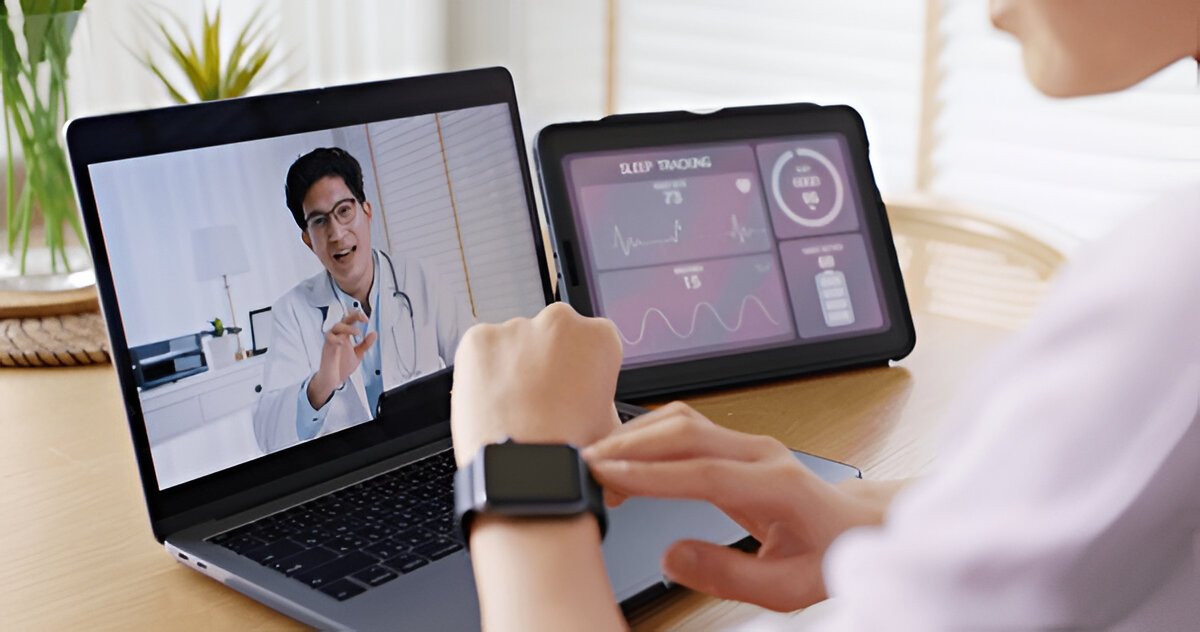
Remote patient monitoring (RPM) has quickly become one of the most promising care models in modern healthcare. By collecting real-time physiological data from patients at home, RPM programs help clinicians intervene early, prevent avoidable hospitalizations, and support better chronic disease management. Yet despite its clinical potential, the success of RPM hinges on something far more human: the patient’s willingness and ability to stay engaged.
Devices can transmit data, but they cannot interpret fear, confusion, or hesitation. Algorithms can detect anomalies, but they cannot reassure a patient who is worried, overwhelmed, or unsure about next steps. High-touch communication bridges this gap, transforming data into meaningful action. This is why leading healthcare organizations rely on call center services for remote patient monitoring to stabilize engagement, support daily adherence, and strengthen the clinical value of their RPM programs.
Remote monitoring does not succeed because devices work—it succeeds because patients feel supported using them.
Why RPM Engagement Breaks Down
Even the most advanced devices face adoption challenges. Patients may forget to take readings, misuse equipment, worry about accuracy, or feel intimidated by technology. Seniors managing multiple chronic conditions often need repeated reminders or step-by-step guidance. Patients experiencing new symptoms may not know whether to escalate concerns or wait for their clinician.
Lack of engagement is one of the most common reasons RPM programs underperform. When readings become inconsistent or data interruptions occur, clinicians cannot rely on the information needed for early intervention. This leads to missed opportunities and reduces the overall value of the RPM investment.
Human outreach—delivered consistently and with empathy—helps prevent these breakdowns. Call center services for remote patient monitoring ensure that every patient receives personalized, timely support that keeps them engaged and confident.
The Need for Human Connection in a Technology-Driven Model
RPM offers convenience and clinical insight, but patients often need reassurance that their health is being monitored meaningfully. Many feel anxious about what their readings mean. Others are unsure whether symptoms warrant immediate attention. Some worry that clinicians are too overwhelmed to review their data consistently.
Human connection fills this emotional gap. A quick check-in call, a friendly reminder, or a supportive explanation can dramatically improve a patient’s comfort and adherence. This personalized attention builds trust in the monitoring process and increases the likelihood that patients will continue participating actively.
This is one of the strongest arguments for integrating call center services for remote patient monitoring into all RPM programs.
How High-Touch Support Enhances Clinical Outcomes
The clinical impact of outreach is significant. Patients who receive regular follow-up demonstrate higher adherence to readings, better chronic condition control, and more proactive communication with clinicians. A well-supported RPM program can reduce ER visits, prevent hospitalizations, and allow timely intervention for worsening symptoms.
Care teams benefit as well. When call center agents manage routine communication—reminders, troubleshooting, education, escalation—clinical staff can focus on high-value tasks such as care planning and intervention. This division of labor improves both quality and efficiency.
Over time, this structured model ensures that RPM becomes not just a data-collection platform, but a truly collaborative care ecosystem.
The Operational Value of Outsourcing RPM Support
Healthcare organizations often struggle to maintain consistent patient engagement due to staffing constraints, unpredictable call volumes, and the specialized communication skills required to support RPM effectively. Outsourcing addresses these constraints by providing trained agents who understand chronic disease programs, remote monitoring protocols, device workflows, and patient communication best practices.
These agents track patient patterns, identify non-adherence early, and escalate clinical concerns promptly. They can also support device onboarding, troubleshoot common errors, and set expectations around reading frequency and symptom reporting.
This operational stability—provided through call center services for remote patient monitoring—reduces patient dropout rates and improves data reliability.
Improving Equity and Access in RPM Programs
Not all patients are equally comfortable with technology. Many vulnerable populations—seniors, rural communities, low-income households, and individuals with limited digital literacy—face barriers to consistent device usage. Human support is essential for closing these gaps.
A compassionate agent can help patients overcome cultural, linguistic, or technological barriers that automated tools cannot address. For multilingual communities, human interpreters play an essential role in clarifying instructions and reducing anxiety. This inclusive support model ensures that remote monitoring benefits all patients, not just the tech-savvy.
By integrating human guidance into the RPM workflow, providers ensure equity and engagement from day one.
Strengthening Patient Trust and Retention
RPM programs succeed when patients trust the system. They want assurance that someone is watching their data and that their readings matter. Routine outreach—especially after abnormal readings—reinforces this sense of connection.
Human agents provide timely communication that helps patients feel seen and supported. This sense of partnership with the care team increases long-term retention, which is essential for chronic disease programs that require months or years of consistent engagement.
Call center services for remote patient monitoring provide the continuity and reliability needed to maintain this trust.
The C-Suite Perspective: RPM as a Strategic Growth Channel
For healthcare executives evaluating digital strategy, RPM represents a scalable way to expand chronic-care management, reduce avoidable hospitalizations, improve quality metrics, and maximize reimbursement opportunities. But without robust communication infrastructure, RPM investments deliver limited ROI.
A strong patient engagement engine—anchored by a trained call center team—ensures that organizations capture the full value of remote monitoring. This includes:
More reliable data streams
Reduced dropout rates
Higher clinical alert accuracy
Improved patient satisfaction
Better chronic disease outcomes
More predictable care utilization
Each of these outcomes contributes directly to financial performance, especially under value-based arrangements.
Investing in call center services for remote patient monitoring is therefore not merely an operational decision—it is a strategic enabler of scalable digital care.
The Future of RPM Engagement
As remote monitoring expands, outreach will become more personalized, data-driven, and proactive. Predictive analytics will identify which patients are most likely to miss readings or experience worsening symptoms. Integrated platforms will automatically flag high-risk trends, triggering human outreach at the right moment.
Yet even in the most advanced digital environments, human connection will remain central. Devices can monitor—the human voice motivates. Technology can alert—empathy reassures.
The future of RPM belongs to hybrid models where automation accelerates care, and human agents anchor the emotional and behavioral aspects of engagement.
Call center services for remote patient monitoring are the foundation of that model—bringing together compassion, consistency, and clinical alignment to unlock the full potential of remote care.