
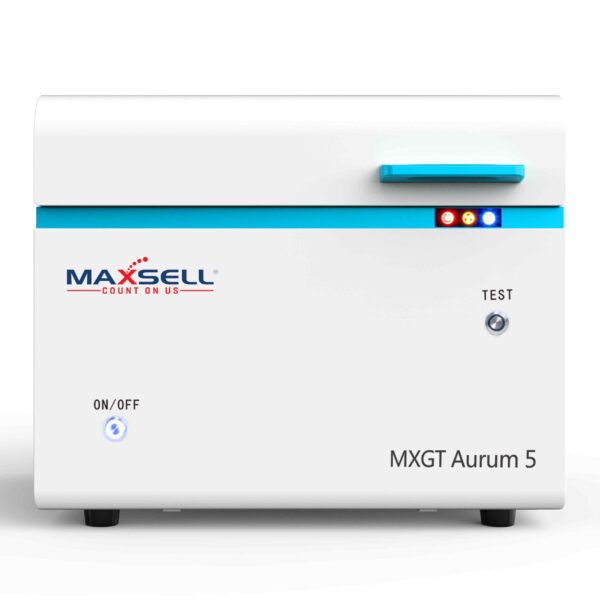
Accuracy is the foundation of trust in the gold industry. Whether in jewelry manufacturing, retail, hallmarking, or recycling, precise purity measurement is essential to maintain credibility and meet regulatory standards. Traditional gold testing methods, while widely used in the past, often relied on manual processes that left room for error. Today, the gold purity testing machine has transformed how purity is measured, delivering unmatched accuracy, consistency, and efficiency.
Modern gold purity testing machines have become indispensable tools for businesses seeking reliable results without damaging valuable assets. As technology continues to evolve, these machines are redefining quality control in the gold trade.
The Limitations of Traditional Gold Testing Methods
Conventional gold testing techniques such as acid testing, fire assay, and touchstone methods have long been used to determine purity. While fire assay is accurate, it is time-consuming, destructive, and requires skilled technicians. Acid testing, on the other hand, depends heavily on human judgment and can produce inconsistent results.
These traditional approaches often fail to meet the speed and precision demands of today’s high-volume gold transactions. In contrast, a modern gold purity testing machine offers rapid, non-destructive testing with highly reliable output, making it a superior choice for contemporary businesses.
Advanced Technology Behind Modern Gold Testing
Modern gold purity testing machines utilize advanced analytical technologies such as X-ray fluorescence and electronic conductivity measurement. These technologies allow the machine to analyze the elemental composition of gold with exceptional precision.
By scanning the metal and measuring how it reacts to specific energy wavelengths, the machine determines purity levels accurately without altering the item. This technological advancement ensures consistent readings, eliminates subjective interpretation, and significantly reduces testing errors.
Non-Destructive Testing Enhances Accuracy
One of the biggest advantages of using a gold purity testing machine is its non-destructive nature. Unlike fire assay or acid testing, modern machines do not damage or alter the gold item being tested. This is especially important for finished jewelry, coins, and heirloom pieces.
Because the integrity of the gold remains intact, repeated testing can be performed without compromising accuracy. This capability is essential for jewelers and dealers who need to verify purity multiple times during the sales or certification process.
Consistency Across Multiple Tests
Accuracy is not just about one correct result—it’s about delivering consistent results every time. Modern gold purity testing machines are designed to provide repeatable readings under the same conditions, minimizing variation.
This consistency builds confidence among buyers and sellers alike. Businesses that rely on accurate and repeatable results can establish transparency, reduce disputes, and maintain long-term customer trust.
Reduced Human Error
Manual testing methods often depend on the experience and judgment of the operator, which introduces the risk of human error. Modern gold purity testing machines minimize this risk by automating the testing process.
Once the item is placed in the machine, the system performs the analysis and displays clear, digital results. This automation ensures uniform accuracy regardless of the operator’s skill level, making gold testing more reliable and standardized.
Faster Testing with Reliable Output
Speed plays a crucial role in today’s gold market, especially for retailers and bullion traders handling multiple transactions daily. A gold purity testing machine delivers results within seconds, without compromising accuracy.
Fast testing allows businesses to serve more customers efficiently while maintaining precise purity measurements. This balance of speed and accuracy gives modern testing machines a significant advantage over traditional methods.
Compliance with Industry Standards
Modern gold purity testing machines are designed to meet industry regulations and hallmarking standards. Accurate purity measurement is essential for compliance with legal and quality benchmarks set by regulatory authorities.
By using a certified gold purity testing machine, businesses can ensure that their products meet required standards, reducing the risk of penalties and enhancing brand credibility.
Data Storage and Traceability
Many advanced gold purity testing machines offer digital record-keeping features. Test results can be stored, retrieved, and shared when needed, improving transparency and traceability.
This data-driven approach enhances accuracy by maintaining a clear history of test results. It also supports auditing, customer verification, and quality assurance processes, making gold transactions more secure and trustworthy.
Improved Accuracy in Mixed and Alloyed Gold
Modern gold products often contain alloys to improve strength and durability. Testing such materials accurately can be challenging using traditional methods. A modern gold purity testing machine can detect and analyze multiple elements within an alloy, delivering precise purity readings.
This capability ensures that businesses accurately assess gold content even in complex compositions, reducing the risk of misvaluation.
Conclusion
The evolution of gold testing technology has significantly improved accuracy, reliability, and efficiency across the industry. A modern gold purity testing machine eliminates the limitations of traditional methods by offering non-destructive testing, consistent results, reduced human error, and fast output.
For jewelers, manufacturers, traders, and recyclers, investing in advanced gold purity testing machines is no longer optional—it is essential for maintaining trust and quality in a competitive market. With cutting-edge solutions from companies like Arihant Maxsell Technologies Private Limited, businesses can confidently deliver accurate purity results while enhancing operational efficiency and customer satisfaction.