
Summer heat can be brutal, and nothing ruins a hot day faster than an air conditioner that’s not working right. Sometimes, the signs that your AC needs help are subtle, but ignoring them can lead to costly repairs or a complete breakdown when you need cool air the most. Knowing what to look for can save you time, money, and a lot of discomfort.
Unusual Noises: When Your AC Speaks Up
Air conditioners aren’t supposed to be noisy. A gentle hum or soft whoosh is normal, but anything beyond that should raise a red flag. If you start hearing banging, clanking, or grinding sounds, it’s time to listen closely.
These noises often indicate mechanical problems. For example, a loose or broken fan belt can cause a loud squealing or screeching sound. Rattling might mean something inside the unit is loose or debris has gotten trapped. Grinding noises often point to motor or compressor issues, which are serious and need immediate attention.
Ignoring these sounds can lead to bigger problems. A small issue like a loose part can cause damage to other components if left unchecked. The longer you wait, the more expensive the repair will likely be.
In addition to mechanical issues, certain noises can also be indicative of refrigerant problems. If you hear a hissing sound, it may suggest a refrigerant leak, which not only affects cooling efficiency but can also be harmful to the environment. Addressing refrigerant leaks promptly is essential, as they can lead to increased energy costs and potential health risks if the refrigerant is toxic. Regular maintenance checks can help catch these issues before they escalate, ensuring your AC runs smoothly and efficiently.
Furthermore, it’s important to consider the age of your air conditioning unit. Older systems may begin to exhibit more frequent noises as parts wear down over time. If your unit is nearing the end of its lifespan, it might be worth evaluating whether repairs are cost-effective or if investing in a new, more efficient model would be a better long-term solution. Newer units not only operate more quietly but also come with advanced technology that can enhance energy efficiency and improve indoor air quality.
Poor Cooling Performance: When Your AC Just Isn’t Cutting It
One of the most obvious signs that your air conditioner needs professional help is a drop in cooling efficiency. If your home isn’t reaching the temperature you set on the thermostat, or it takes much longer than usual to cool down, something is off.
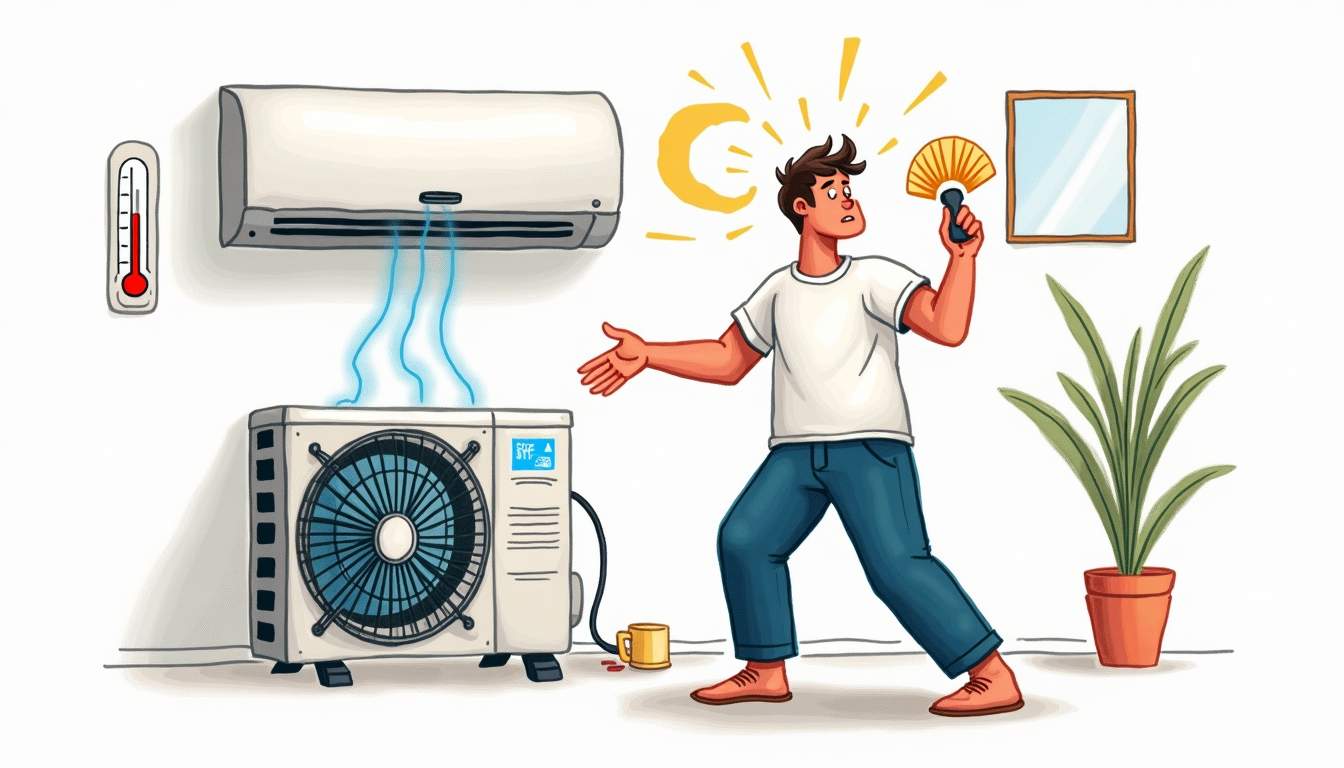
Several factors can cause poor cooling. Dirty air filters restrict airflow, making the system work harder and reducing its effectiveness. Low refrigerant levels, often due to leaks, mean the AC can’t absorb heat properly. Problems with the compressor or condenser can also reduce cooling power.
It’s tempting to crank the thermostat lower when the house feels warm, but that only forces your AC to overwork and can cause further damage. Instead, call a professional to diagnose and fix the root cause.
In addition to the aforementioned issues, the placement of your air conditioning unit can also significantly impact its performance. If the outdoor unit is obstructed by debris, such as leaves or dirt, it can’t expel heat effectively, leading to increased pressure and potential breakdowns. Similarly, if the indoor unit is blocked by furniture or other items, the airflow may be compromised, making it difficult for the system to circulate cool air throughout your space. Regular maintenance, including cleaning and clearing around both indoor and outdoor units, can help ensure optimal performance.
Another critical aspect to consider is the age of your air conditioning system. Older units may struggle to keep up with modern cooling demands, especially in extreme temperatures. If your AC is over a decade old, it might be time to evaluate its efficiency and consider upgrading to a newer, more energy-efficient model. Newer systems often come equipped with advanced technology that not only cools your home more effectively but also operates more quietly and uses less energy, ultimately saving you money on utility bills. For professional support and maintenance, you can visit LS Aircon Servicing for expert advice and services.
Water Leaks and Excess Moisture: More Than Just a Mess
Have you noticed water pooling around your indoor unit or dripping from the outdoor condenser? That’s a clear sign something’s wrong. Air conditioners remove moisture from the air as part of the cooling process, and that moisture usually drains away through a dedicated line.
If the drain line is clogged or damaged, water can back up and leak inside your home. This can cause water damage, mold growth, and even electrical hazards if water reaches wiring or components.
Another cause of leaks is frozen evaporator coils. When these coils freeze and then thaw, they can drip excess water. This freezing often happens because of low refrigerant levels or poor airflow.
Water leaks aren’t just a nuisance-they’re a warning sign that your system needs professional inspection and repair.
Rising Energy Bills: When Your AC Is Working Too Hard
If your energy bills suddenly spike without a change in usage habits, your air conditioner might be the culprit. An inefficient or malfunctioning AC uses more electricity to do the same job, driving up costs.
Dirty filters, worn-out parts, and refrigerant leaks all make the system less efficient. The compressor, which is the heart of the AC, can wear down over time and struggle to keep up. Even a thermostat that’s not working correctly can cause the system to run longer than necessary.
Regular maintenance helps keep your system running efficiently, but if you notice a sharp increase in energy costs, it’s a good idea to have a professional check your unit.
Frequent Cycling: When Your AC Can’t Decide to Stay On or Off
Air conditioners are designed to cycle on and off to maintain a steady temperature. However, if your unit turns on and off rapidly or too often, it’s called short cycling, and it’s a problem.
Short cycling can be caused by an oversized AC unit, thermostat issues, or electrical problems. It prevents the system from completing full cooling cycles, which reduces efficiency and puts extra strain on components.
This behavior not only wastes energy but also increases wear and tear, leading to premature failure. A professional technician can diagnose the cause and recommend the right solution.
Foul Odors: When Your AC Smells Something’s Wrong
Air conditioners should not produce bad smells. If you notice musty, burning, or chemical odors when your AC is running, don’t ignore them.
A musty smell often indicates mold or mildew inside the system, usually caused by excess moisture or clogged drain lines. Burning smells could mean electrical issues or overheating components, which are serious safety hazards. Chemical odors might suggest refrigerant leaks, which require immediate attention due to health risks and environmental concerns.
Any unusual smell should prompt a professional inspection to identify and address the source before it becomes a bigger problem.
Thermostat Problems: When Your AC Doesn’t Respond
Sometimes the issue isn’t the air conditioner itself but the thermostat controlling it. If your AC won’t turn on, won’t shut off, or doesn’t seem to respond to temperature settings, the thermostat might be malfunctioning.
Older thermostats can wear out or lose calibration, causing inaccurate temperature readings. Smart thermostats can have software glitches or connectivity issues. Faulty wiring can also disrupt communication between the thermostat and the AC unit.
Replacing or repairing a thermostat is usually straightforward but requires professional expertise to ensure proper installation and operation.
Visible Damage or Wear: When Your AC Shows Its Age
Sometimes, the signs are right in front of you. Rust, corrosion, or visible damage to the outdoor unit can affect performance and signal the need for professional care.
Exposed wiring, bent fins on the condenser coil, or damaged fan blades reduce efficiency and can lead to breakdowns. Regular exposure to weather elements can wear down components over time.
Routine inspections help catch these issues early. If you notice physical damage, don’t delay in contacting a technician to prevent further deterioration.
Why Professional Attention Matters
Air conditioners are complex machines with many moving parts. While some minor maintenance tasks like changing filters can be done by homeowners, most repairs and diagnostics require specialized knowledge and tools.
Attempting to fix problems without proper training can cause more harm than good, void warranties, or create safety hazards. Professionals can accurately diagnose issues, perform repairs safely, and ensure your system runs efficiently.
Regular professional maintenance also extends the lifespan of your AC, improves indoor air quality, and keeps energy costs down. When you spot any warning signs, it’s best to act quickly and call in the experts.
Preventive Tips to Keep Your AC Healthy
While professional service is essential, there are simple steps you can take to keep your air conditioner in good shape between visits.
- Change or clean air filters regularly: Dirty filters restrict airflow and reduce efficiency.
- Keep the outdoor unit clear: Remove leaves, dirt, and debris from around the condenser.
- Check the drain line: Ensure it’s clear and draining properly to prevent leaks.
- Use a programmable thermostat: This helps regulate temperature and reduce unnecessary running time.
- Schedule annual professional maintenance: Early detection of issues saves money and stress.
When to Call for Help
If you notice any of the warning signs discussed-unusual noises, poor cooling, leaks, rising bills, or strange smells-don’t wait. Prompt professional attention can prevent minor issues from becoming major headaches.
Emergency situations like burning smells, electrical problems, or refrigerant leaks require immediate action. In less urgent cases, scheduling a routine inspection can keep your system running smoothly and efficiently.
Remember, your air conditioner is an investment in comfort and health. Taking care of it ensures you stay cool when it matters most.