
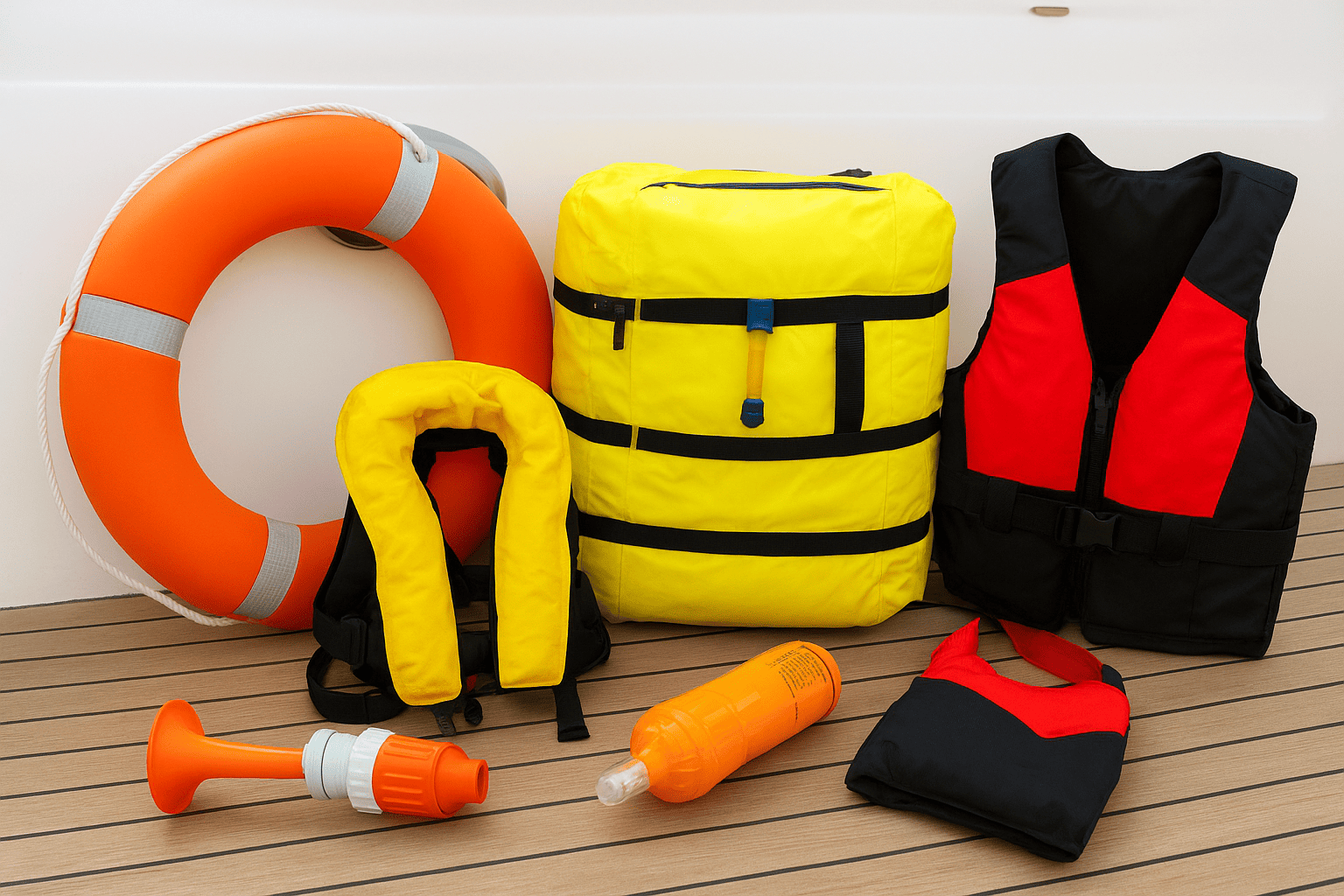
For anyone navigating UK waters—whether you operate a leisure yacht, fishing vessel, RIB, or commercial craft—marine safety is non-negotiable. The unpredictable British coastline demands proper preparation, and the right equipment can mean the difference between a close call and a life-saving outcome.
Modern UK boating culture has evolved, and with it, the expectations around safety preparation have grown stronger than ever. Whether you’re navigating busy harbours, exploring coastal routes, or enjoying quiet days on the water, having reliable marine safety equipment is no longer just a checklist requirement—it’s part of responsible seamanship. Many boat owners only think about equipment when the season begins, but safety planning should be an ongoing effort. Reviewing the condition of your lifejackets, checking expiry dates on flares, confirming your VHF radio functionality, and ensuring your first-aid kit is fully stocked are small but essential habits that build long-term safety. From choosing lifejackets for sale to understanding liferaft hire services and upgrading your marine safety equipment, this guide breaks everything down in a practical, no-nonsense format every UK boat owner can follow.
1. Why Marine Safety Equipment Matters More in UK Waters
The UK has one of the busiest and most diverse marine environments in the world. Sudden weather shifts, rough seas, strong currents, and high traffic demand preparedness.
The Maritime & Coastguard Agency (MCA) strongly recommends that every vessel carries safety gear suitable for its size, route, and passenger count.
This includes:
- Certified lifejackets
- An approved liferaft
- Fire extinguishers
- Distress signals and flares
- Emergency beacons (EPIRB/PLB)
- First-aid kits
- Safety lines and throw devices
Having the right equipment is not just a recommendation—it’s a responsibility.
2. Lifejackets for Sale: Choosing the Right Type for Your Vessel
A lifejacket is the single most important piece of marine safety gear you will ever buy. Whether you’re sailing offshore, kayaking on the coast, or cruising inland waters, choosing the correct lifejacket can be life-saving.
Types of Lifejackets to Consider
a) Foam Lifejackets (100N)
Best for: near-shore, calm water use
Ideal for: children, beginners, onboard spares
b) Automatic Inflatable Lifejackets (150N–190N)
Best for: general UK coastal boating
Benefits: activates upon water immersion; lightweight; comfortable for long wear
c) 275N Inflatable Lifejackets
Best for: offshore, commercial work, heavy clothing
Benefits: high buoyancy for rough seas and oilskins
Safety Features You Should Look For
- EU/UKCA Certification
- Crotch straps
- Whistle + Light
- Spray hood
- Integrated harness for lifelines
- Re-arming kit availability
When browsing lifejackets for sale, always ensure the product meets MCA and SOLAS guidelines if used commercially.
3. Liferaft Hire in the UK: When Renting Makes More Sense
Purchasing a liferaft is a major investment. For many UK boaters—especially seasonal sailors or yacht charter operators—liferaft hire is the smart solution.
Why Hire a Liferaft Instead of Buying?
Cost-effective: No large upfront investment
Always serviced: Rented liferafts are delivered fully inspected and certified
Flexible durations: Weekend, seasonal, yearly hire options
No maintenance worries: Service, testing, and repacking handled by professionals
Ideal for temporary voyages or delivery trips
What to Look for When Hiring a Liferaft
- MCA or SOLAS certification
- Suitability for number of passengers
- Coastal vs. offshore specification
- Packed weight and size
- Service interval validity
A properly serviced liferaft is essential; it must inflate correctly, contain emergency equipment, and be reliable under extreme conditions.
4. Core Marine Safety Equipment Every UK Vessel Must Have
Beyond lifejackets and liferafts, a well-prepared boat includes a full range of marine safety equipment. The exact requirements depend on the type and size of your vessel, but the essentials include:
a) Distress Flares & Signalling Devices
- Red hand flares
- Orange smoke signals
- Parachute rockets
- LED distress lights
These ensure visibility during emergencies and are mandatory for many vessels.
b) Fire & Thermal Protection
- Marine-grade fire extinguishers
- Fire blankets
- Thermal protective aids
- Emergency survival bags
c) Navigation & Communication Equipment
- VHF Radio
- AIS devices
- Emergency Position-Indicating Radio Beacon (EPIRB)
- Personal Locator Beacons (PLB)
d) Man-Overboard (MOB) Recovery Gear
- Throw lines
- Lifebuoys with lights
- Rescue slings
- Floating ropes
Whether you operate slow cruising boats or fast RIBs, the right safety equipment is your first line of defence.
5. How to Maintain Your Marine Safety Gear the Right Way
Regular checks are essential to ensure everything works as expected.
Lifejacket Maintenance Checklist
- Inspect inflation cylinders
- Check for corrosion
- Replace expired lights
- Test inflation annually
- Ensure straps and buckles are intact
Liferaft Maintenance Tips
- Follow service intervals (typically every 1–3 years)
- Store away from heat and moisture
- Keep easy access on deck
Other Marine Equipment
- Replace expired flares immediately
- Test VHF radios and GPS before each trip
- Ensure fire extinguishers are in-date
Proper maintenance ensures reliability when it matters most.
6. Buying vs. Hiring: What UK Boaters Prefer
Many UK boat owners follow this approach:
| Equipment Type | Best Option | Reason |
|---|---|---|
| Lifejackets | Buy | Long-term, personal fit needed |
| Liferafts | Hire or Buy | Depends on usage frequency |
| Emergency Gear | Buy | Mandatory and vessel-specific |
| Commercial Vessels | Buy + Service | Required per MCA rules |
Seasonal sailors often hire their liferaft but invest in high-quality lifejackets they can use for years.
7. Final Thoughts: Be Prepared, Stay Safe
Safety at sea is not optional. The right combination of lifejackets, a properly serviced liferaft, and reliable marine safety equipment ensures you’re ready for any situation.
Investing in quality gear—whether purchased or hired—gives you confidence on every journey across UK waters.
When you’re well-equipped, you’re safer, your passengers are safer, and every voyage becomes more enjoyable.