
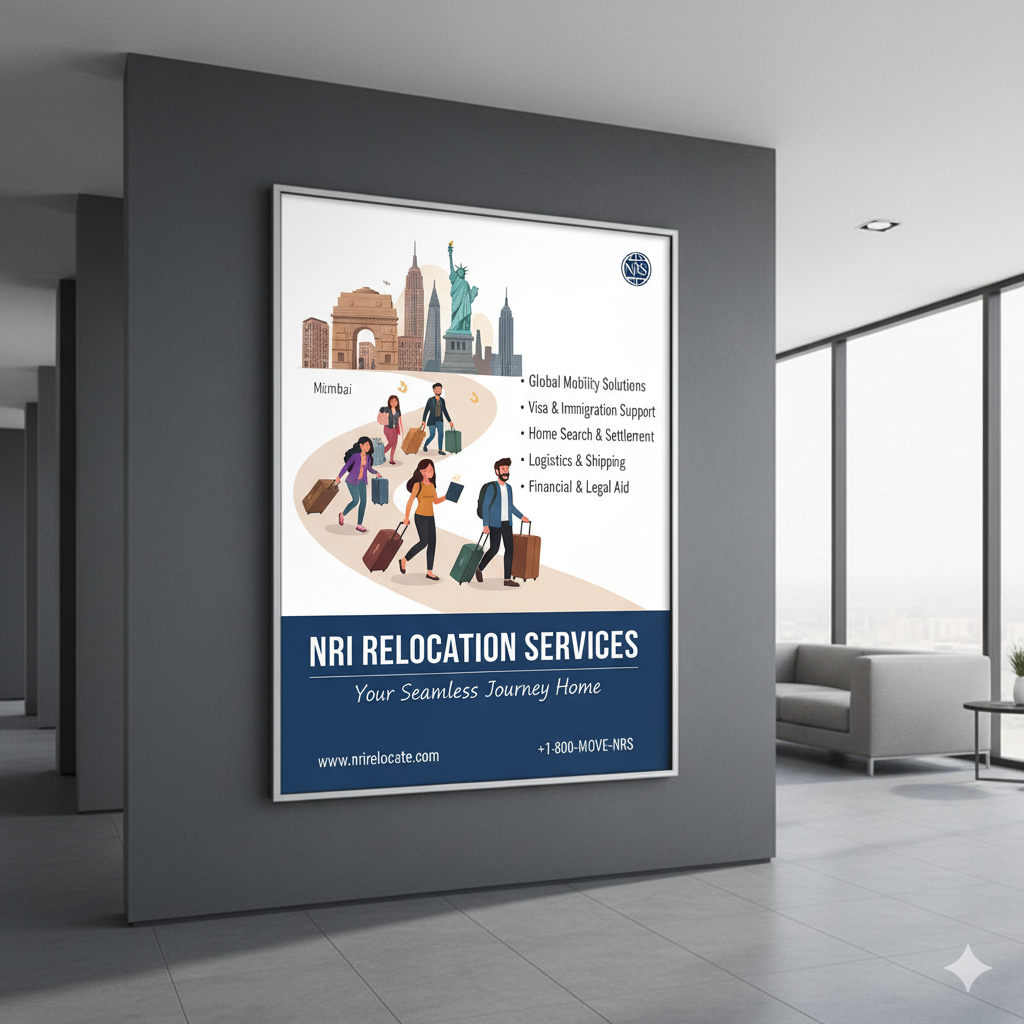
Relocation is often romanticized as a fresh start—new country, new home, new plans. But once the actual work begins, NRIs quickly realize that the excitement is only the surface layer. Beneath it lies a maze of logistics, documents, deadlines, and unpredictable hurdles. And the deeper you go, the more you understand that relocation is not simply about shifting household items. It is a multilayered process filled with moving parts that must align at the right time.
This is why many people eventually explore NRI Relocation Services when they realize how much coordination an international move truly demands.
The Hidden Complexity of International Relocation
For NRIs moving to or from India, relocation often becomes overwhelming because it demands attention on several fronts simultaneously. You are not just handling shipping; you are managing real estate, finances, school transfers, immigration documents, taxation clarity, and personal commitments—all at once.
What Makes It So Challenging?
- International shipping rules are unpredictable.
Each country has its own customs policies, restricted items list, valuation rules, and inspection norms. A simple oversight—like forgetting to list an appliance model number—can cause delays or rechecks. - Cost structures are rarely transparent.
International freight isn’t a flat price. Charges depend on weight, cubic volume, destination port fees, fuel surcharges, speed of delivery, and even seasonal fluctuations. Without clarity, budgets spiral fast. - Documentation demands are stiff.
Shipping inventory logs, passports, visas, OCI cards, transfer-of-residence eligibility, insurance papers, property documents—each requires precision. A discrepancy can halt clearance. - Family dynamics intensify the pressure.
If you have children, pets, or elderly parents, the logistical load becomes emotional too. Settling them is as important as moving the physical items.
All these factors make professional NRI Relocation Services not just convenient—but necessary.
What NRIs Actually Expect During Relocation
Relocation isn’t about getting things from point A to point B. It’s about stability during turbulence.
People want:
- Accurate timelines, not vague estimates
- Safe handling of electronics, antiques, fragile items
- Clear paperwork support
- Customs clearance that doesn’t drag for days
- Damage-free international packing
- Cost predictability
- Door-to-door transparency
When these expectations are met, relocation becomes structured rather than chaotic.
Mistakes NRIs Commonly Make
Even well-travelled NRIs fall into these traps:
1. Planning too late
Many people begin preparations just before their travel date. Relocation needs early documentation, inventory planning, and freight booking.
2. Choosing the wrong shipping method
Door-to-door vs door-to-port, LCL vs FCL, air freight vs sea freight—each option changes timelines, insurance needs, and costs.
3. Sending restricted items unknowingly
Some countries restrict wooden furniture, food grains, lithium batteries, or certain plants. Confiscated goods create avoidable stress.
4. Relying on verbal quotes
Hidden destination charges often catch people off guard.
5. Ignoring insurance
If something is damaged or lost mid-transit, insurance is the only safety net.
The Emotional Side of Relocation
Beyond the logistics, the emotional toll is real. Leaving behind a familiar home, adjusting to a new timezone, helping children settle in, starting over in a new city—each comes with its own weight. On top of that, dealing with agencies, customs, and packing teams can become exhausting. Predictable support can significantly lower stress and ensure clarity throughout the transition.
Relocating as an NRI isn’t just about transporting belongings from one country to another; it’s a complete life shift that tests your planning, patience, and ability to stay organized under pressure. When you begin the process, it looks deceptively simple: pack your household items, book a shipping company, prepare documents, and you’re done. But reality is different. Every stage of international relocation opens up new layers of complexity that you don’t anticipate at first. Customs forms require exact data, shipping companies ask for detailed inventories, certain items need special packing material, and relocation timelines rarely move in a straight line. Even choosing between air freight and sea freight becomes a task because each option affects cost, delivery speed, and risk exposure.
Why Structured Support Matters
Professional relocation support brings order to an otherwise chaotic process. It helps NRIs with:
- Packing according to international safety norms
- Correct documentation for customs
- Handling fragile items
- Local delivery and unpacking
- Storage options if needed
- Insurance coverage
- Realistic timelines
- Avoidance of unnecessary fees
Predictability becomes the biggest advantage. When timelines, documents, and costs are transparent, relocation stops feeling like a gamble.
Explore how structured support works NRI Relocation Services and NRI Succession certificate
Final Thoughts
Relocation is one of the biggest decisions an NRI makes. It’s not something that should rely on guesswork or last-minute arrangements. With the right structure, you get clear documentation, smooth packing, organized timelines, and a predictable transition from one home to another. When you’re moving years of memories across borders, certainty matters more than convenience. When relocation is planned with structure, clarity, and experienced support, the pressure reduces significantly. Processes become predictable, documents are handled with accuracy, and timelines make sense. Instead of chasing updates or worrying about delays, you focus on settling into your new home, supporting your family through the transition, and restarting your routine without disruptions. Proper relocation support doesn’t just move goods; it protects your time, peace, and stability during one of the biggest transitions of your life.