
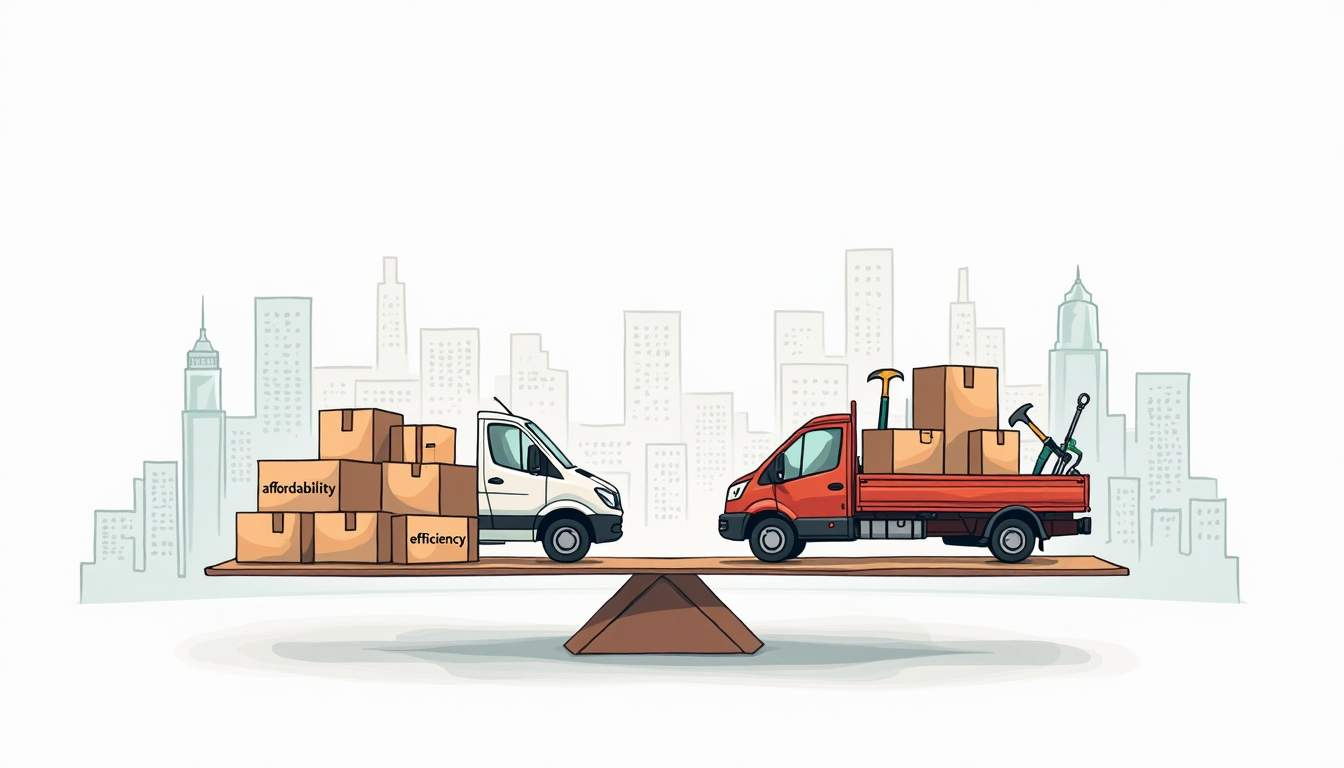
Moving is one of those life events that can quickly drain your wallet and test your patience. Between packing, loading, transporting, and unpacking, the process often feels overwhelming and expensive. But what if it didn’t have to be that way? What if you could move without breaking the bank and still get everything done smoothly and on time?
It sounds like a tall order, but with the right approach, moving can be both affordable and efficient. It requires some planning, smart choices, and a bit of elbow grease, but it’s definitely possible. Let’s explore how you can pull off a move that saves money and saves headaches.
Understanding What Drives Moving Costs
Before you can cut costs, it helps to know where your money is going. Moving expenses are often broken down into a few key categories:

- Packing supplies: Boxes, tape, bubble wrap, and other materials add up quickly.
- Labor: Hiring movers or paying friends for help.
- Transportation: Rental trucks, fuel, or professional moving company fees.
- Time: The more days your move takes, the more it costs, especially if you’re paying for storage or lodging.
Knowing these factors helps you decide where to save and where to invest. For example, cutting corners on packing materials might save money but increase the risk of damaged items, which can cost more in the long run. Additionally, investing in quality packing supplies can provide peace of mind, ensuring that your belongings arrive safely at your new home. It’s also worth considering the environmental impact of your packing choices; opting for recycled or reusable materials can be a responsible and cost-effective approach.
How Distance Affects Your Budget
Local moves tend to be less expensive because you can often rent a truck for a day and handle the job yourself or with a small crew. Long-distance moves, on the other hand, usually require professional movers or specialized transport, which can skyrocket costs. The logistics of a long-distance move can also complicate budgeting; factors such as tolls, overnight accommodations, and meal expenses for the journey can add up quickly, so it’s essential to plan for these additional costs.
Planning ahead and getting multiple quotes from moving companies can help you find the best deal. Also, consider moving during off-peak seasons or mid-week when rates are typically lower. Furthermore, some moving companies offer discounts for flexible dates, so if your schedule allows, you might save significantly by adjusting your moving date. Additionally, researching potential tax deductions for moving expenses, especially if your move is job-related, can provide further financial relief. For reliable assistance, you can visit here to explore services from Cheap Movers Singapore. Understanding these nuances can empower you to make informed decisions that align with your budgetary constraints while ensuring a smooth transition to your new home.
Smart Packing Strategies to Save Money and Time
Packing is often the most time-consuming part of moving. Done poorly, it can lead to broken items and wasted effort. Done well, it streamlines the entire process and reduces costs.
Use What You Already Have
Before buying new boxes, check around your home for sturdy containers. Suitcases, laundry baskets, and even drawers can serve as makeshift boxes. Grocery stores and liquor shops often have free boxes available if you ask.
Reusing materials not only saves money but also reduces waste. Just make sure everything is clean and strong enough to hold your belongings. Additionally, consider using items like old newspapers or magazines for packing fragile items. This not only provides cushioning but also gives a second life to materials that would otherwise be discarded. It’s a win-win situation that promotes sustainability while keeping your costs down.
Pack Smart, Not Hard
Group items by room or category to make unpacking easier. Label each box clearly with its contents and destination room. Use towels, clothing, or blankets to cushion fragile items instead of buying bubble wrap.
Don’t overpack boxes; heavy boxes are harder to move and more likely to break. Distribute weight evenly and keep boxes manageable. Consider using color-coded labels for each room to make the unpacking process even more efficient. This visual cue can help movers quickly identify where each box belongs, saving time and reducing the hassle of sorting through boxes after the move. Furthermore, packing a few essentials in a separate, clearly marked box can ensure that you have immediate access to necessary items like toiletries, a change of clothes, or important documents right after the move, making the transition smoother and less stressful.
Choosing the Right Moving Help
Labor costs can be one of the biggest expenses in a move. Deciding whether to hire professionals, recruit friends, or go solo depends on your budget, timeline, and how much stuff you have. Each option comes with its own set of advantages and challenges, and understanding these can help you make a more informed decision.
Professional Movers: When to Consider Them
If you have a large household, heavy furniture, or a long-distance move, professional movers can save you time and physical strain. They bring expertise and equipment that make the process smoother. In addition to their skills in packing and transporting, many professional moving companies offer insurance options to protect your belongings during transit, providing peace of mind that can be invaluable during a stressful time.
Get multiple estimates and check reviews before hiring. Some companies offer partial services, like just loading and unloading, which can cut costs if you handle packing yourself. It’s also worth asking about any hidden fees, such as charges for stairs or long carries, as these can add up unexpectedly. By doing your homework, you can find a reputable mover that fits your budget and needs.
Friends and Family: Pros and Cons
Recruiting friends or family to help can be a huge money saver. Just be sure to communicate clearly about expectations and schedule. Providing food and drinks is a nice way to thank helpers, and you might even turn the day into a fun gathering. Consider creating a playlist to keep spirits high and make the work feel less daunting. However, be mindful of the physical demands of moving; not everyone may be up for heavy lifting or long hours.
Keep in mind that relying on unpaid help can sometimes lead to delays or frustration if people aren’t available or don’t show up on time. It’s essential to have a backup plan in case your helpers can’t make it. Additionally, consider the dynamics of your relationships; while moving together can strengthen bonds, it can also test them under stress. Clear communication and appreciation can go a long way in ensuring a positive experience.
DIY Moving: When It Makes Sense
If you’re moving a small amount of stuff locally, doing it yourself with a rented truck or van might be the most affordable and efficient option. It gives you full control over timing and handling, allowing you to pack and load at your own pace. This flexibility can be particularly beneficial if you have a busy schedule or need to move on short notice. Plus, you can tailor your moving strategy to fit your specific needs, whether that means making multiple trips or enlisting help for just the heavy items.
However, be realistic about your ability to lift heavy items and navigate large vehicles. Safety should always come first. It’s wise to invest in moving supplies like sturdy boxes, bubble wrap, and furniture pads to protect your belongings. Additionally, don’t underestimate the importance of planning your route and ensuring that you have the necessary parking permits if you’re moving in an urban area. A little preparation can save you a lot of hassle on moving day.
Timing Your Move for Maximum Savings
When you move can have a big impact on cost and convenience. Movers often charge more during peak seasons (summer months, weekends, and holidays). If your schedule is flexible, moving during off-peak times can save hundreds of dollars.
Planning your move mid-week or mid-month can also help you avoid surcharges and get better availability from rental trucks or moving companies.
Give Yourself Plenty of Time
Rushing a move often leads to last-minute expenses, like buying expensive packing supplies or paying for expedited services. Start packing early and create a checklist to stay organized.
Breaking the move into smaller tasks over several days can reduce stress and spread out costs.
Additional Tips to Keep Moving Affordable and Efficient
Declutter Before You Pack
Moving is the perfect opportunity to get rid of things you no longer need. The less you move, the less you pay for transportation and packing supplies.
Donate, sell, or recycle items that won’t make the cut. This can even help you earn some extra cash to offset moving costs.
Use Technology to Your Advantage
Apps and websites can help you find deals on moving supplies, compare moving company prices, and organize your move. Digital checklists and reminders keep you on track.
Consider Storage Options Carefully
If you need to store belongings temporarily, shop around for affordable storage units. Some facilities offer discounts for long-term rentals or off-peak seasons.
Try to minimize storage time to avoid extra fees.
Final Thoughts
Moving doesn’t have to be a financial nightmare or a logistical mess. By understanding where your money goes, packing smart, choosing the right help, and timing your move wisely, you can make the process both affordable and efficient.

It takes some effort and planning, but the payoff is a smoother move and a healthier bank account. After all, moving is just the start of a new chapter-there’s no need to begin it stressed and broke.