
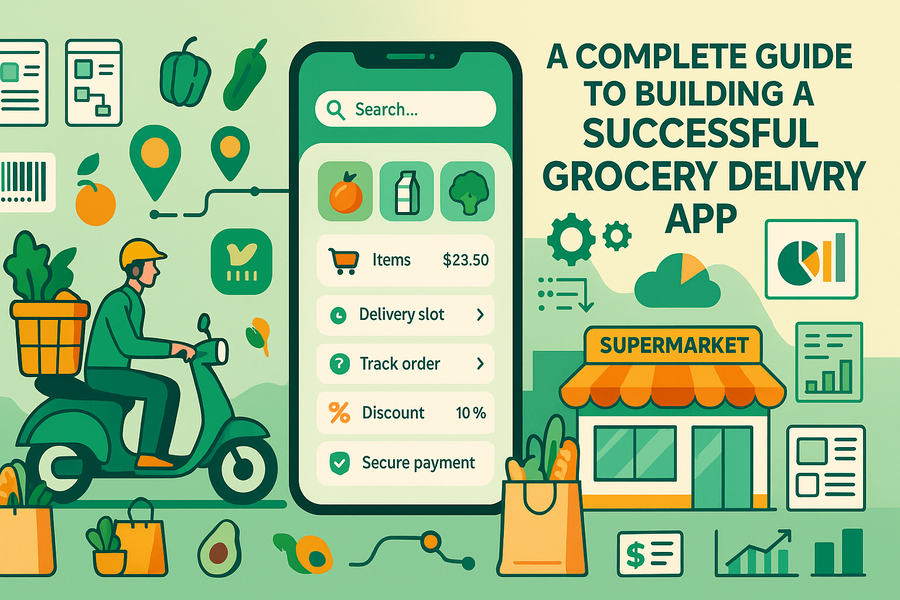
In today’s fast-paced world, grocery delivery apps have emerged as a vital solution for consumers seeking convenience and efficiency in their shopping experiences. With the rise of e-commerce and changing consumer behaviors, building a successful grocery delivery app is more relevant than ever. This comprehensive guide will navigate you through the essential components of creating an effective grocery delivery app, from understanding market dynamics and defining key features to implementing robust technology and marketing strategies. Whether you are a startup entrepreneur or an established retailer looking to enhance your services, this guide will equip you with the knowledge needed to thrive in the competitive grocery delivery landscape.
Understanding the Grocery Delivery Market
Current Trends in Grocery Delivery
In today’s fast-paced world, grocery delivery has become more than just a luxury; it’s a necessity. Trends such as subscription services, same-day delivery, and eco-friendly options are dominating the market. Consumers are increasingly seeking convenience, with many preferring to scroll through shelves online rather than in-store. Tech-savvy shoppers want personalized experiences, and grocery apps that leverage AI for tailored recommendations are popping up like mushrooms after a rainstorm.
Target Audience Analysis
Understanding who your customers are is as crucial as knowing what they want. Ideally, your target audience ranges from busy professionals who value convenience to families seeking a time-saver for their week’s meal prep. Trendy millennials are looking for organic options and sustainable practices, while older generations might prioritize customer service and reliability. Don’t forget about those who might just want snacks delivered in their pajamas at midnight; they’re a market segment, too!
Competitive Landscape Overview
The grocery delivery arena is akin to a bustling farmer’s market—full of competition and diverse offerings. Major players like Instacart, Amazon Fresh, and local favorites are constantly innovating to stay ahead. To carve out your niche, you need to identify competitors’ strengths and weaknesses. What are they doing well? Where do they fall short? Understanding this landscape will help you identify opportunities and differentiate your app in this crowded space.
Key Features of a Successful Grocery Delivery App
User Registration and Profiles
First impressions matter, so make the registration process as slick as a buttered grocery cart. Users should be able to sign up quickly via email, social media, or even phone numbers. Once registered, a personalized profile will allow users to save preferences, manage delivery addresses, and even track their shopping history – because who can remember where they bought those artisanal pickles last month?
Product Catalog and Search Functionality
A visually appealing and well-organized product catalog is your app’s bread and butter. Users should easily find what they’re looking for using intuitive search functionality and filters. Always keep in mind that if they can’t locate that elusive jar of gourmet salsa within seconds, they might just take their hungry thumbs elsewhere.
Real-Time Order Tracking
Nothing gets the heart racing quite like waiting for your groceries to arrive. To ease the tension (and maybe save a few panic attacks), include real-time order tracking. Users should know when their delivery is en route, giving them ample time to put on pants and answer the door. It’s all about keeping your customers in the loop!
Payment Gateway Integration
Smooth sailing at the checkout is crucial. Integrate secure payment gateways that offer multiple options—credit cards, mobile wallets, and maybe even cryptocurrency for those who are feeling particularly adventurous. A seamless payment process reduces cart abandonment and keeps customers coming back for more.
Customer Feedback and Rating System
Encourage your customers to voice their opinions through a feedback and rating system. This feature is invaluable not only for improving services but also for creating a sense of community. After all, who doesn’t love giving their two cents about that rogue avocado that was a tad too ripe? Good reviews can be your best marketing tool—just remember, the louder the compliments, the stronger the sales!
Choosing the Right Technology Stack
Front-End Technologies
The front end is where users meet your app, so pick technologies that beautify the experience. Popular choices include React, Angular, or Vue.js for a responsive interface that won’t leave users feeling like they’re lost in a digital jungle. Make it an experience they won’t want to exit!
Back-End Technologies
Behind the scenes, a solid back-end keeps everything running smoothly. Node.js and Django are popular contenders for their efficiency and scalability. Choose a solution that handles user requests, manages inventory, and communicates seamlessly with the front end, so your app doesn’t feel like it’s running on dial-up!
Database Management Systems
For a grocery app, you’ll need a database that can handle large volumes of data without dropping the ball. PostgreSQL and MongoDB are solid choices that offer flexibility and reliability. After all, you don’t want your database to crash right when someone is trying to order that last box of organic granola bars!
Cloud Hosting Solutions
Cloud hosting is like having your cake and eating it too—scalable, flexible, and efficient! AWS, Google Cloud, and Azure are all robust options that can grow with your app. Keep in mind that downtime is your app’s worst enemy, and having a reliable cloud service ensures your users can shop without interruptions, preferably while wearing pajamas.
Designing an Intuitive User Experience
Wireframing and Prototyping
Wireframes are the blueprints of your app; they provide structure without the fancy wallpaper. Use tools like Figma or Sketch to visualize user flows and refine features before diving into design. Prototyping allows you to test ideas without a single pixel of code—saving you time and headaches further down the line.
Mobile vs. Web App Design
Deciding between a mobile app or web app, or both, is essential. Mobile apps offer a native experience with push notifications, while web apps can be accessed on various devices without taking up storage. Consider your target audience and what they prefer—after all, it’s all about meeting them where they are (preferably with snacks!).
Usability Testing and Iteration
Last but not least, engage in usability testing to uncover any hidden hiccups. Get real users to navigate your app and provide feedback. This iterative process is crucial for refining the user experience. Remember, your app should be like a well-oiled machine—smooth, efficient, and most importantly, user-friendly!
Implementing a Robust Backend Infrastructure
Scalability Considerations
Building a grocery delivery app is like preparing a feast—you want it to grow and accommodate as many guests as possible without collapsing under the pressure. Start by selecting a cloud service provider that can dynamically allocate resources based on demand. Design your architecture with microservices to ensure that different components of your app can scale independently. Don’t forget to include load balancing, as it’s the traffic cop that ensures everything runs smoothly, even during rush hour!
Data Security Measures
In the world of grocery delivery apps, personal details and payment information are the golden eggs, and you must protect them fiercely! Implement encryption protocols like SSL/TLS to secure your data in transit and at rest. Regularly update your software to patch vulnerabilities, and consider tokenization for sensitive information. Remember, a data breach can turn your loyal customers into ghostly apparitions, so keep your security measures as tight as your grandma’s famous secret recipe!
API Development and Integration
APIs are like the unsung heroes of your grocery delivery app, quietly forging connections between various systems and services. Invest time in developing a well-documented API that allows for easy integration with payment gateways, inventory management systems, and delivery services. Ensure it’s flexible enough to adapt to future changes—after all, nobody wants to send their app to an early retirement just because they can’t keep up with evolving tech trends. A solid API can streamline operations and enhance user experience, making it the Swiss Army knife of your backend!
Ensuring Legal Compliance and Safety Standards
Licensing and Permits
Before you start delivering groceries with flair, make sure you have all the necessary licenses and permits. Each region may have different regulations, so do your homework to avoid any run-ins with the law. Typically, this includes business licenses, health permits, and food handling certifications for your delivery personnel. A quick chat with a local business attorney could save you from future headaches and help your app thrive without legal hiccups!
Food Safety Regulations
Food safety isn’t just for health inspectors—it’s your responsibility too! Familiarize yourself with local food safety regulations to ensure that the groceries not only arrive on time but are also safe to eat. Implement practices for proper handling, transporting, and storing of food items to prevent contamination. Consider training your delivery staff on these protocols. After all, nobody wants a surprise side of foodborne illness with their organic kale!
Analyzing Performance and Gathering User Feedback
Key Performance Indicators (KPIs) to Track
To know if your grocery delivery app is hitting the mark, track some KPIs that matter. Keep an eye on metrics like user acquisition rate, order frequency, average delivery time, and customer satisfaction scores. These numbers will help you understand what’s working and what’s not. If the data feels a bit overwhelming, just remember: if your orders are flying off the shelves (figuratively speaking), you’re likely on the right track!
Collecting User Feedback Effectively
User feedback is the bread and butter of your app’s evolution. Employ simple surveys post-delivery to ask users about their experience. Create a feedback loop where users feel their opinions matter—maybe even reward them with discounts for their time! Keep the questions straightforward; nobody wants to fill out a novel-length survey. Listening to your users can help you troubleshoot issues and unveil golden opportunities for improvement.
Iterating Based on Data Insights
Once you’ve gathered feedback and analyzed performance, it’s time to roll up your sleeves and iterate! Use the insights gained to enhance your app. Whether it’s fixing bugs, optimizing user interface elements, or adding desired features, staying agile is key. Remember, an app is never truly “done”—it’s a living entity that thrives on constant nurturing and improvement. With the right adjustments, you’ll be well on your way to serving up a top-notch grocery delivery experience!In conclusion, developing a successful grocery delivery app requires careful planning, strategic execution, and continuous improvement. By focusing on understanding your market, integrating essential features, and prioritizing user experience, you can create a platform that meets the needs of today’s consumers. As you embark on this journey, remember that adaptability and responsiveness to user feedback will be crucial for long-term success in the ever-evolving grocery delivery landscape. With the right approach, your app can transform the way people shop for groceries and foster lasting customer loyalty.
Frequently Asked Questions (FAQ)
1. What are the essential features every grocery delivery app should have?
A successful grocery delivery app should include features such as user registration, product catalog and search functionality, real-time order tracking, multiple payment options, and a customer feedback system.
2. How do I choose the right technology stack for my grocery delivery app?
Choosing the right technology stack involves evaluating your app’s requirements, scalability needs, and budget. Consider front-end technologies for user interaction, back-end technologies for server-side logic, and reliable database management systems to handle data.
3. What are some effective marketing strategies for a grocery delivery app?
Effective marketing strategies include defining your unique selling proposition, utilizing social media platforms, forming partnerships with local grocery stores, and implementing user acquisition and retention tactics to build a loyal customer base.
4. How can I ensure my grocery delivery app complies with legal regulations?
To ensure compliance, research and obtain necessary licenses and permits, adhere to food safety regulations, and implement data protection measures in line with privacy laws to safeguard user information.