
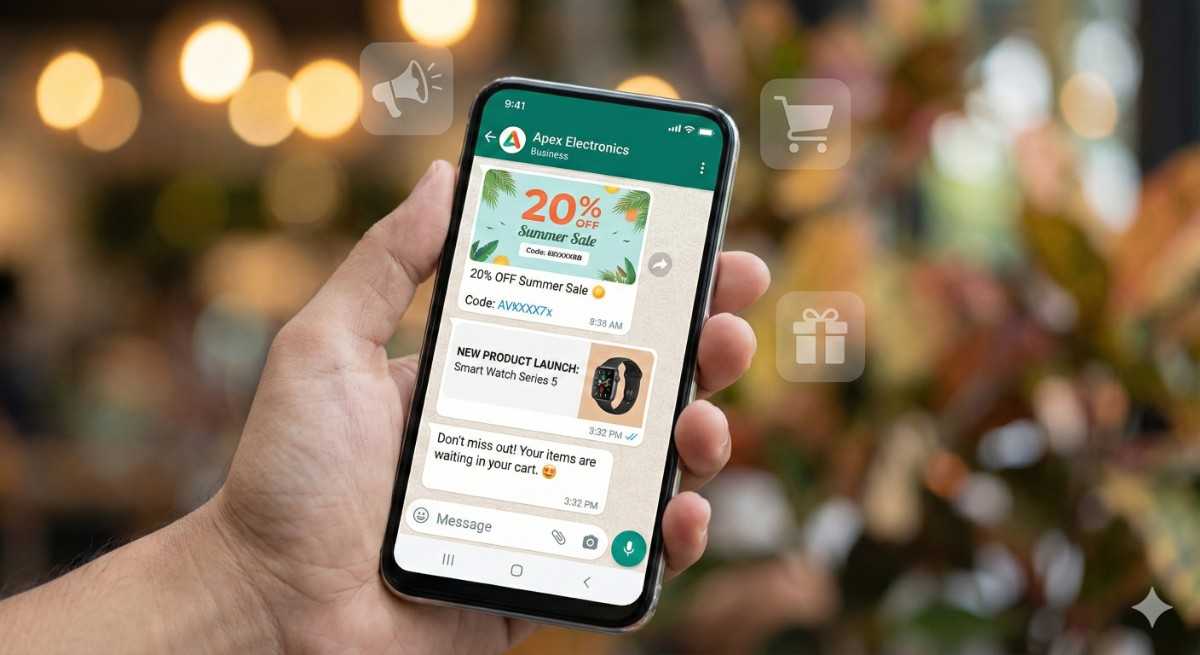
 In today’s digital landscape, businesses are constantly seeking more direct and personalized ways to connect with their customers. WhatsApp, with over 2 billion active users worldwide, has emerged as a powerful marketing channel that combines the immediacy of messaging with the trust of personal communication. WhatsApp marketing campaigns offer businesses an unprecedented opportunity to engage customers through promotions, product announcements, and cart abandonment recovery strategies that deliver impressive conversion rates.
Why WhatsApp Marketing Campaigns Are Essential in 2025
Traditional marketing channels are becoming increasingly saturated and expensive. Email open rates hover around 20-30%, while SMS messages often get lost in the clutter. WhatsApp, however, boasts an astonishing 98% open rate, with most messages being read within minutes of delivery. This makes it one of the most effective channels for time-sensitive marketing communications.
The platform’s versatility allows businesses to send rich media content including images, videos, PDFs, and interactive buttons—all within a conversational interface that customers are already comfortable using. Unlike intrusive advertising, WhatsApp marketing feels more like a conversation with a trusted brand, leading to higher engagement and conversion rates.
Understanding WhatsApp Business API for Marketing
Before diving into specific campaign strategies, it’s important to understand the infrastructure behind WhatsApp marketing. The WhatsApp Business API is designed for medium to large businesses that need to communicate with customers at scale. Unlike the WhatsApp Business app meant for small businesses, the API offers advanced capabilities including automation, integration with CRM systems, and detailed analytics.
To run marketing campaigns on WhatsApp, businesses need to work with a Business Solution Provider (BSP) like TechTO Networks, who provides the technical infrastructure and compliance framework necessary for large-scale messaging. The platform requires businesses to use pre-approved message templates for initiating conversations, ensuring that all marketing communications meet Meta’s quality and compliance standards.
Types of WhatsApp Marketing Campaigns
1. Promotional Campaigns: Driving Sales Through Targeted Offers
Promotional campaigns are the cornerstone of WhatsApp marketing strategy. These campaigns focus on driving immediate sales through exclusive offers, limited-time discounts, flash sales, and seasonal promotions. The key to successful promotional campaigns lies in personalization and timing.
Best Practices for Promotional Campaigns:
- Segment Your Audience: Don’t send the same promotion to everyone. Use customer data to create segments based on purchase history, browsing behavior, and preferences. A customer who regularly buys electronics shouldn’t receive promotions for clothing.
- Create Urgency: Limited-time offers with countdown timers work exceptionally well on WhatsApp. Messages like “24-hour flash sale: 40% off ends tonight!” create a sense of urgency that drives immediate action.
- Use Rich Media: WhatsApp supports images, videos, and documents. Showcase your products with high-quality visuals. A video demonstrating a product’s features often converts better than text alone.
- Include Clear Call-to-Actions: Make it easy for customers to take action. Use WhatsApp’s quick reply buttons or include direct links to product pages. Reduce friction in the purchase journey.
- Respect Opt-In Preferences: Only send promotional messages to customers who have explicitly opted in. This maintains trust and ensures compliance with Meta’s guidelines.
2. New Product Announcements: Building Anticipation and Excitement
Launching a new product is exciting, and WhatsApp provides an intimate channel to share that excitement with your most engaged customers. Product announcement campaigns should focus on building anticipation, educating customers about features and benefits, and driving early adoption.
Crafting Compelling Product Launch Campaigns:
- Tease Before Launch: Start building buzz weeks before the official launch. Send sneak peeks, behind-the-scenes content, and exclusive previews to your WhatsApp subscribers. This makes them feel like VIPs who get access before the general public.
- Tell a Story: Don’t just list product features. Tell the story of why this product was created, what problem it solves, and how it will improve customers’ lives. Storytelling creates emotional connections that drive purchases.
- Offer Exclusive Early Access: Reward your WhatsApp subscribers with early access to new products or special launch pricing. This incentivizes more customers to join your WhatsApp list and creates a sense of exclusivity.
- Provide Comprehensive Information: Use WhatsApp’s document sharing feature to send detailed product catalogs, specification sheets, or user guides. This positions your brand as helpful and transparent.
- Enable Two-Way Conversation: Unlike email, WhatsApp allows customers to ask questions and receive immediate responses. Have customer service representatives ready to answer product-related queries during launch periods.
3. Cart Abandonment Recovery: Reclaiming Lost Revenue
Shopping cart abandonment is one of the biggest challenges in e-commerce, with approximately 70% of online shopping carts being abandoned before purchase completion. WhatsApp cart abandonment campaigns offer a highly effective solution to this problem, helping businesses recover significant lost revenue.
Implementing Effective Cart Abandonment Strategies:
- Timely Intervention: Send the first cart abandonment message within 1-2 hours of abandonment when the shopping intent is still fresh. Follow up with additional messages at strategic intervals (24 hours, 72 hours) if the cart remains abandoned.
- Personalize the Message: Reference the specific products left in the cart, ideally with product images. A message saying “Hi Sarah, you left these items in your cart…” feels personal and relevant.
- Address Potential Objections: Common reasons for cart abandonment include unexpected costs, complicated checkout processes, or simply getting distracted. Your message should address these concerns: “Free shipping on your order” or “Complete your purchase in 2 clicks.”
- Offer Incentives Strategically: While you don’t want to train customers to abandon carts to get discounts, offering a small incentive (5-10% discount or free shipping) in the second or third follow-up can tip the balance toward conversion.
- Create Scarcity: Inform customers if items in their cart are low in stock or if a sale is ending soon. Messages like “Only 2 left in stock—complete your order before it’s gone!” leverage FOMO (fear of missing out) effectively.
- Simplify Return to Cart: Include a direct link that takes customers straight to their cart with a single click. Every additional step in the process reduces conversion probability.
Setting Up Your WhatsApp Marketing Infrastructure
To implement these campaigns effectively, you need the right technical setup. Here’s what’s required:
Step 1: Get WhatsApp Business API Access
Work with an approved Business Solution Provider to set up your WhatsApp Business API account. This involves creating a Facebook Business Manager account and linking it to your WhatsApp Business profile.
Step 2: Create and Approve Message Templates
All marketing campaigns on WhatsApp must use pre-approved templates. These templates need to be submitted to Meta for review and approval, which typically takes 24-48 hours. Plan your campaigns in advance to account for this approval time.
Step 3: Integrate with Your E-commerce Platform
Connect your WhatsApp Business API with your e-commerce platform, CRM, or marketing automation tool. This enables automated campaign triggers based on customer behavior, such as cart abandonment or purchase history.
Step 4: Build Your Opt-In List
Grow your WhatsApp subscriber list through website opt-in forms, SMS campaigns promoting WhatsApp updates, social media campaigns, and in-store promotions. Always obtain explicit consent before sending marketing messages.
Measuring WhatsApp Marketing Campaign Success
Like any marketing channel, success on WhatsApp requires tracking the right metrics:
- Delivery Rate: Percentage of messages successfully delivered
- Read Rate: Percentage of delivered messages that were opened
- Response Rate: Percentage of recipients who replied to your message
- Click-Through Rate: For messages with links or buttons, track how many recipients clicked
- Conversion Rate: Ultimate measure of success—how many recipients completed the desired action
- Revenue Generated: Total sales attributed to WhatsApp campaigns
- ROI: Compare revenue generated against campaign costs
Meta’s WhatsApp Business API provides detailed analytics on these metrics, allowing you to continuously optimize your campaigns for better performance.
WhatsApp Marketing Pricing: Understanding the Costs
WhatsApp marketing operates on a conversation-based pricing model. Understanding the cost structure helps you budget effectively:
- Marketing Conversations: Messages focused on promotions and offers are charged at a premium rate (approximately INR 0.85 per conversation in India)
- Utility Conversations: Transactional messages like order confirmations are more affordable (approximately INR 0.15 per conversation)
- Service Conversations: Customer-initiated conversations are charged at utility rates
Additionally, there are platform usage fees charged monthly or annually by your Business Solution Provider. Plan your campaigns with these costs in mind to ensure positive ROI.
Advanced WhatsApp Marketing Strategies
Once you’ve mastered basic campaigns, consider these advanced strategies:
Drip Campaigns: Create automated sequences that nurture leads over time, gradually moving them toward purchase decisions.
Re-engagement Campaigns: Win back inactive customers with special “we miss you” offers or showcase new products they haven’t seen.
VIP Programs: Create exclusive WhatsApp groups for your best customers, offering them early access, special discounts, and behind-the-scenes content.
Feedback Collection: Use WhatsApp to gather customer feedback post-purchase, improving products and showing customers their opinions matter.
Event Promotion: Promote webinars, store events, or product demonstrations through WhatsApp invitations with RSVP capabilities.
Compliance and Best Practices
To maintain a successful WhatsApp marketing program, always adhere to these guidelines:
- Respect Opt-In and Opt-Out: Make it easy for customers to unsubscribe and honor those requests immediately
- Follow Meta’s Commerce Policy: Ensure your messages comply with WhatsApp’s business messaging policies
- Maintain Message Quality: Send valuable, relevant content rather than spammy promotions
- Limit Frequency: Don’t overwhelm customers with too many messages—quality over quantity
- Provide Value: Every message should offer something valuable, whether it’s a discount, useful information, or entertainment
Conclusion: The Future of WhatsApp Marketing
WhatsApp marketing campaigns represent one of the most powerful tools in the modern marketer’s arsenal. With its exceptional open rates, rich media capabilities, and conversational nature, WhatsApp enables businesses to connect with customers in ways that traditional channels simply can’t match.
Whether you’re running promotional campaigns to boost sales, announcing exciting new products, or recovering abandoned carts to reclaim lost revenue, WhatsApp offers the infrastructure and engagement levels necessary for success. As the platform continues to evolve with new features like payment integration and enhanced commerce capabilities, early adopters who master WhatsApp marketing now will have a significant competitive advantage.
The key to success lies in treating WhatsApp as a relationship-building channel rather than just another advertising platform. Send messages your customers actually want to receive, provide genuine value, and respect their preferences. When done right, WhatsApp marketing doesn’t feel like marketing at all—it feels like a helpful conversation with a brand that truly understands and cares about its customers.
Ready to launch your WhatsApp marketing campaigns? Start by setting up your infrastructure, crafting compelling templates, and testing different approaches to discover what resonates with your unique audience. The results might just surprise you.