
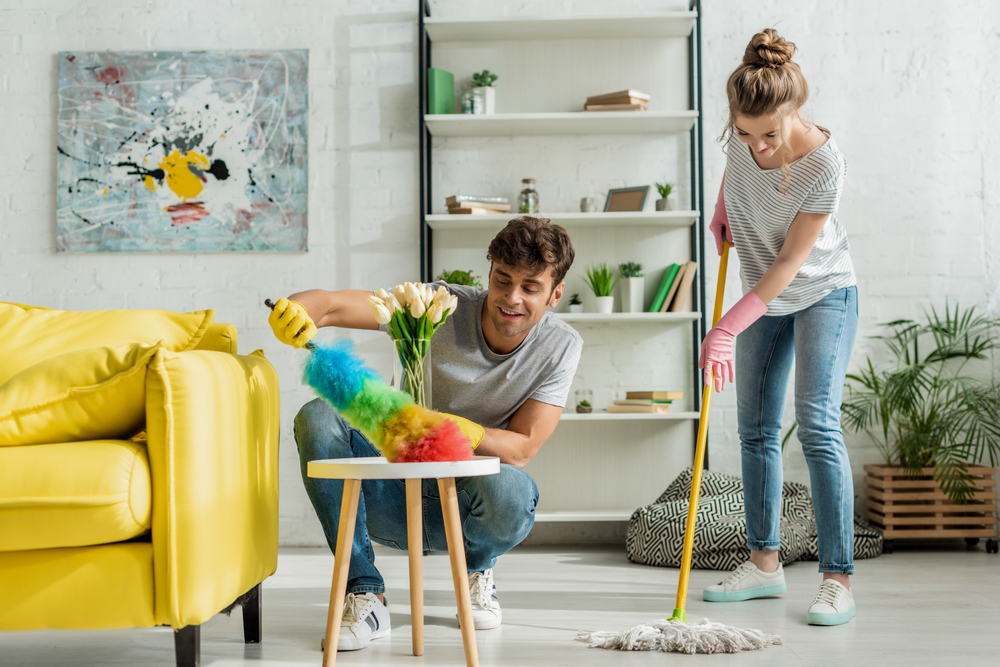
For busy parents, keeping a home clean can feel like chasing a never-ending cycle. Breakfast crumbs on the floor, toys scattered in the living room, and dust accumulating on shelves can all feel overwhelming. But with the right techniques for dusting, sweeping, and mopping, you can maintain a cleaner, healthier home without spending hours every day scrubbing.
In this comprehensive guide, we’ll break down the best cleaning practices, share realistic tips for working parents, and provide actionable strategies that make cleaning easier, faster, and more effective.
Why Proper Cleaning Techniques Matter
Many people underestimate the impact of cleaning methods. Proper techniques:
- Reduce allergens and improve indoor air quality.
- Prevent the spread of germs and bacteria.
- Protect floors, furniture, and surfaces from unnecessary wear and tear.
- Save time by avoiding repetitive cleaning or damage repair.
For busy parents in Toronto, even knowing where to start can feel overwhelming. That’s why some families turn to cleaning services Toronto for professional guidance, ensuring their homes stay healthy while managing hectic schedules. By adopting a few efficient habits, you can reduce stress and enjoy a clean home without dedicating entire weekends to chores.
1. Dusting: Beyond a Quick Wipe
Dust may seem harmless, but it can trigger allergies, worsen asthma symptoms, and even carry bacteria. Efficient dusting isn’t just about appearances, it’s about health.
Tools You’ll Need:
- Microfiber cloths (trap dust better than cotton or paper towels)
- Extendable dusters for hard-to-reach spots
- Vacuum with a brush attachment for corners, vents, and baseboards
Step-by-Step Dusting:
- Start from the Top: Begin with ceiling fans, shelves, and cabinet tops. Dust naturally falls downward, so starting high avoids re-cleaning surfaces.
- Work Your Way Down: After top surfaces, move to tables, counters, and baseboards.
- Focus on High-Touch Areas: Light switches, door handles, remotes, and children’s toys can harbour germs. Wipe them regularly with a disinfectant or a damp microfiber cloth.
- Don’t forget the Hidden Spots: Under furniture, behind appliances, and window sills collect dust quickly.
Room-by-Room Checklist:
- Living Room: Shelves, TV screens, picture frames, lampshades.
- Bedrooms: Bed frames, nightstands, toys, and closet shelves.
- Kitchen: Countertops, cabinet faces, vent hoods, and appliance tops.
- Bathrooms: Light fixtures, mirrors, and shelves.
Pro Tip for Parents: Let kids dust lower surfaces with microfiber mitts. They feel involved while helping reduce your workload.
2. Sweeping: More Than Just Pushing Dirt Around
Sweeping is the first defence against dirt and debris. Done incorrectly, it scatters dust and leaves your floor looking messy.
Tools You’ll Need:
- Broom with soft bristles for fine dust, harder bristles for larger debris
- Dustpan with a rubber edge to collect fine particles
- Optional: vacuum for fast cleanup of large areas
Effective Sweeping Technique:
- Use Short, Controlled Strokes: Long, wide strokes often scatter dirt. Small back-and-forth motions collect debris more efficiently.
- Work in Sections: Divide rooms into small areas to ensure no dust or crumbs are missed.
- Sweep Toward a Central Point: Makes it easier to collect all debris at once.
- Please pay Attention to Corners: Corners and edges trap dirt; sweep them last.
Sweeping Tips by Floor Type:
- Tile Floors: Soft-bristle broom works best for fine dust; hard-bristle broom for heavier debris.
- Hardwood: Gentle broom to avoid scratches; consider a dust mop for daily upkeep.
- Laminate: Sweep often to prevent grit from scratching the surface.
Time-Saving Tip: Sweep high-traffic areas daily, less-used rooms weekly. For pet owners, sweep or vacuum multiple times a week to prevent hair accumulation.
3. Mopping: The Secret to Sparkling Floors
Mopping is often neglected or done incorrectly. Using too much water, dirty mop heads, or straight-line movements can leave streaks and push dirt around.
Tools You’ll Need:
- Microfiber mop or traditional mop with a washable head
- A bucket with warm water
- Gentle floor cleaner suitable for your flooring type
Step-by-Step Mopping:
- Remove Dust and Debris First: Sweep or vacuum before wet mopping. Wet dirt spreads if left on the floor.
- Use the “S” Motion: Move the mop in an S-shaped pattern to prevent streaks and clean efficiently.
- Rinse and Wring Frequently: Dirty water reduces effectiveness. Rinse and wring the mop often.
- Allow Proper Drying: Open windows or use fans to speed drying and prevent slips.
Floor Type Guidance:
- Hardwood: Use a damp mop, not soaking wet, to avoid warping.
- Tile or Vinyl: Can handle more water, but rinse thoroughly to prevent residue.
- Laminate: Avoid excess water; microfiber mops work best.
DIY Cleaner Recipes:
- Vinegar and Water: 1 cup vinegar in 1 gallon of warm water (safe for tiles and vinyl).
- Mild Dish Soap: A Few drops in warm water for everyday mopping.
- Essential Oil Boost: Add 5–10 drops of lavender or lemon for freshness.
Parent-Friendly Hack: Keep a small spray mop in the kitchen or entryway for quick spot cleaning.
Integrating Cleaning Into a Busy Schedule
Finding consistent cleaning time is a major challenge for working parents. Here’s how to make it manageable:
- 10-Minute Daily Routine: Dust and sweep high-traffic areas like the kitchen and living room.
- Divide Tasks Among Family Members: Assign children small responsibilities like wiping tables, dusting lower shelves, or emptying trash bins.
- Batch Cleaning: Reserve longer sessions, like mopping, for once or twice a week.
- Morning or Evening Windows: Even 15 minutes before or after work can make a big difference.
Common Cleaning Mistakes and How to Avoid Them
- Using Dirty Tools: Always rinse mop heads and dusters after use. Dirty tools spread germs and dirt.
- Skipping Corners: Edges and hidden spots trap dust. Don’t forget baseboards or under furniture.
- Over-Wetting Floors: Especially for hardwood, excess water can cause warping and streaking.
- Ignoring High-Touch Areas: Regularly wipe handles, switches, and electronics to prevent germ buildup.
Key Takeaways
- Dust from top to bottom for efficiency.
- Use short, controlled sweeping strokes and work in sections.
- Mop in an S-motion and rinse frequently for streak-free results.
- Maintain consistency, small daily habits beat occasional deep cleans.
By applying these practical techniques, busy parents can maintain a cleaner, healthier home without feeling overwhelmed. For those seeking extra support, services like Hellamaid make household cleaning easier, freeing up time to focus on family and personal priorities.
FAQs
Q: How often should I dust my home?
A: High-traffic areas should be dusted 2–3 times per week. Bedrooms and less-used rooms can be dusted weekly.
Q: What is the best way to mop hardwood floors?
A: Use a damp microfiber mop and an appropriate hardwood cleaner. Avoid soaking the floor to prevent warping.
Q: How can I reduce cleaning time as a busy parent?
A: Use a daily 10-minute routine, involve kids in small tasks, and batch deep cleaning weekly.
Q: How do I remove pet hair from floors efficiently?
A: Sweep or vacuum multiple times per week, and consider using a microfiber mop or rubber broom for stubborn hair.