
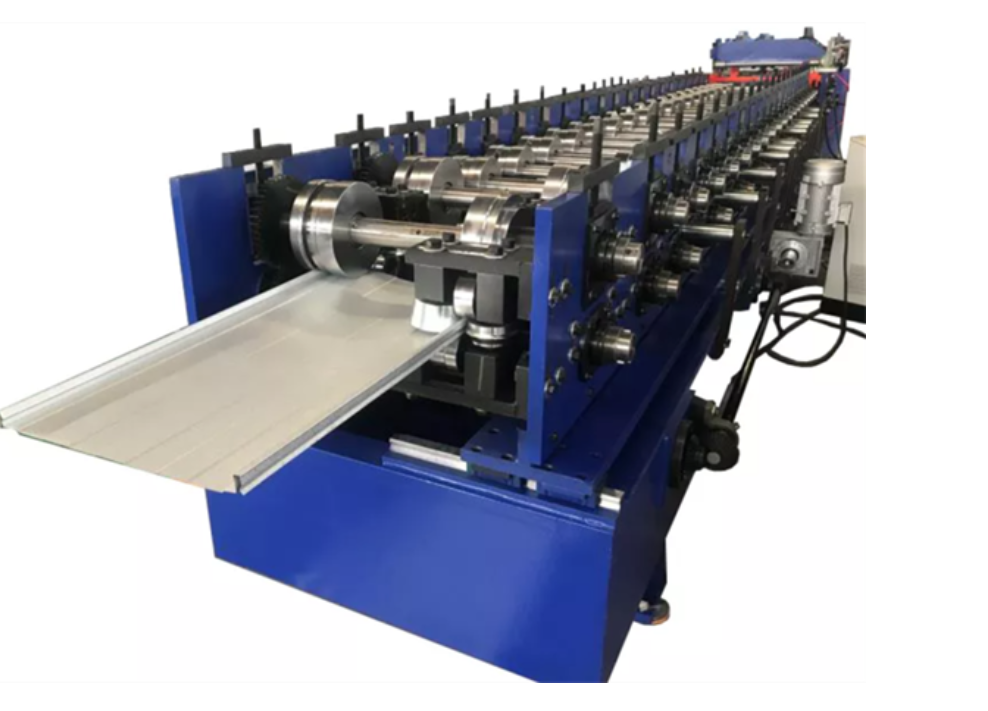
Roofing is one of the most critical aspects of construction, whether it’s for a residential home, commercial building, or industrial facility. A roof provides protection, energy efficiency, and structural integrity, but installing it can be a complex and labor-intensive process. Traditionally, roofing relied heavily on manual labor, which often resulted in longer project timelines and inconsistent quality. However, with the advent of modern roofing machines, contractors and builders can now achieve faster, more precise, and highly efficient installations.
Understanding Roofing Machines
Roofing machines are specialized tools designed to streamline various roofing processes, including cutting, forming, bending, and fastening metal or other roofing materials. These machines significantly reduce the physical strain on workers, minimize installation errors, and improve overall project efficiency. They are commonly used in commercial and residential roofing projects, particularly those involving metal roofing, gutters, or custom roof panels.
By automating time-consuming tasks, roofing machines help contractors complete projects faster while maintaining high-quality standards. For businesses, this can translate into cost savings, increased productivity, and higher client satisfaction.
Types of Roofing Machines
1. Metal Roof Roll Forming Machines
Metal roll forming machines are used to produce continuous metal roofing panels. These machines feed metal sheets through rollers to shape them into precise profiles, such as standing seam panels, corrugated sheets, or ribbed panels.
Benefits:
- Produces consistent, high-quality panels
- Reduces material wastage
- Speeds up large-scale metal roofing projects
2. Seam Locking Machines
Seam locking machines are essential for standing seam metal roofs. They securely lock the seams of metal panels, ensuring water-tightness and a professional finish.
Benefits:
- Ensures strong, weather-resistant seams
- Improves roof longevity
- Reduces manual labor and errors
3. Sheet Cutting Machines
These machines are used to cut roofing materials, including metal sheets, shingles, and composite panels, to the exact dimensions needed. Some advanced models offer precision cutting with minimal material waste.
Benefits:
- Accurate cuts reduce errors
- Faster cutting compared to manual methods
- Can handle various material thicknesses
4. Gutter Forming Machines
Gutter forming machines are designed to shape gutters from metal sheets or coils. They create consistent gutter profiles quickly, making them ideal for residential and commercial installations.
Benefits:
- Produces uniform gutters
- Reduces installation time
- Lowers labor costs
5. Automatic Fastening and Nailing Machines
These machines automate the process of securing roofing materials to the substrate, ensuring proper alignment and consistent fastening depth. They are widely used for shingles, metal sheets, and roof tiles.
Benefits:
- Reduces human error
- Speeds up installation
- Provides a secure and durable roof attachment
Advantages of Using Roofing Machines
Speed and Efficiency
The most obvious benefit of roofing machines is the time they save. Tasks that could take hours or days manually can now be completed in a fraction of the time. Faster installation means that projects stay on schedule and reduce labor costs.
Improved Precision
Roofing machines are designed to perform repetitive tasks with high accuracy. This precision ensures that each panel, seam, or cut meets exact specifications, reducing the likelihood of leaks, misalignment, or material wastage.
Consistency and Quality
Consistency is critical in roofing to ensure both aesthetic appeal and structural integrity. Machines maintain uniformity across panels, seams, and fasteners, resulting in a professionally finished roof that lasts longer.
Reduced Labor Intensity
Roof installation is physically demanding work. Roofing machines reduce the need for manual effort, minimizing fatigue and the risk of injuries. Workers can focus on supervising, measuring, and ensuring quality rather than performing repetitive, strenuous tasks.
Cost-Effectiveness
Although the initial investment in roofing machines can be significant, the long-term benefits often outweigh the cost. Reduced labor hours, fewer material mistakes, and faster project completion translate into lower overall expenses and higher profit margins for contractors.
Applications of Roofing Machines
Residential Roofing
Homeowners increasingly prefer metal roofing and custom-designed shingles for their durability and aesthetic appeal. Roofing machines make it easier to produce panels, cut materials, and install roofs efficiently, even on complex residential structures.
Commercial and Industrial Buildings
Large-scale commercial and industrial projects require extensive roofing materials and precise installation. Roll forming machines, seam lockers, and automatic fastening equipment allow contractors to handle large roofs with speed and accuracy.
Gutter and Drainage Systems
Gutter forming machines are indispensable for creating seamless and uniform gutters. Properly installed gutters protect buildings from water damage and reduce maintenance costs.
Renovations and Retrofitting
Roofing machines also excel in renovation projects. They allow for precise replacement of damaged sections, retrofitting of new panels, or upgrades without requiring complete roof removal.
Key Considerations When Choosing Roofing Machines
Material Compatibility
Not all machines are suitable for every roofing material. Ensure the equipment can handle the type of metal, shingle, or composite panels you plan to install.
Production Capacity
Consider the scale of your projects. High-capacity machines are ideal for large commercial installations, while smaller, portable units may suffice for residential projects.
Ease of Operation
Choose machines that are user-friendly and require minimal training. Advanced features are useful, but overly complex machines can slow down the workflow if operators are not familiar with them.
Maintenance and Durability
Invest in machines built to last. Look for equipment with low maintenance requirements, durable components, and readily available spare parts.
Cost vs. Benefit
While high-end machines offer numerous features, weigh the investment against your project needs. Consider the long-term savings in labor, material efficiency, and project timelines.
Conclusion
Roofing machines have revolutionized the way roofs are installed, making the process faster, more precise, and cost-effective. From metal roll forming to seam locking, cutting, fastening, and gutter forming, these machines streamline every aspect of roofing work. They not only reduce manual labor and improve safety but also ensure consistent quality and durability, enhancing the value of any construction project.