
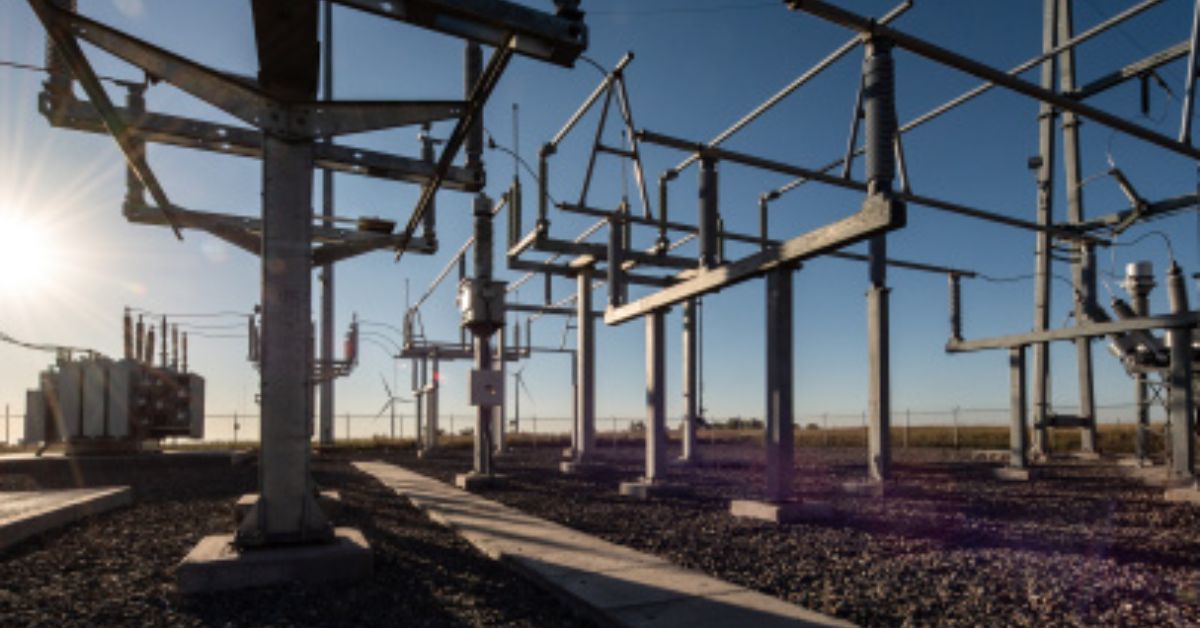
Buildings are no longer passive energy consumers. With rising energy demands, climate concerns, and the push for sustainability, they are transforming into smart energy hubs that both consume and produce electricity. One of the most meaningful transformations in modern building design is the integration of renewable energy into electrical systems. Expert guidance from MEP consultants in Chennai is playing a vital role in designing these intelligent electrical infrastructures that seamlessly merge solar, wind, and geothermal power sources with traditional systems.
Whether it’s solar panels on rooftops, wind turbines nearby, or geothermal systems beneath the ground, renewable integration helps reduce grid dependence, cuts costs, and lowers carbon emissions. Today, integrating renewable energy into electrical infrastructure is not just an innovation—it is an essential step toward building efficiency, energy resilience, and long-term sustainability.
Understanding Renewable Energy Integration
Renewable energy integration refers to designing building electrical systems that can efficiently work with energy sourced from solar, wind, geothermal, or biomass. Instead of relying solely on power from conventional grids, buildings generate part or all of their energy from clean sources, store it, and manage it through smart electrical systems.
This integration is supported by three critical components:
- Generation systems such as solar PV and wind turbines
- Energy storage systems, typically battery banks
- Smart distribution systems that balance usage, load, and grid interaction
Solar Power: The Backbone of Building-Level Renewable Energy
Solar Photovoltaic (PV) is the most widely used renewable source in buildings due to its easy integration and cost-effectiveness. Rooftop solar panels generate DC (Direct Current) electricity, which is then converted to AC (Alternating Current) through inverters to power lighting, HVAC, appliances, and emergency systems.
Why Solar Works Well for Buildings:
- Minimal maintenance
- Easy to install on rooftops, facades, and carport structures
- Modular and scalable based on energy needs
- Can be connected to grid-tied or off-grid systems
Solar power is often paired with energy storage to keep buildings running efficiently even during evenings and cloudy days.
How Wind Energy Supports Building Electrification
Though limited by space and location, vertical-axis wind turbines are increasingly being used in high-rise buildings and open industrial campuses. They complement solar power by generating electricity even at night or during cloudy weather—making the energy mix more reliable.
Modern electrical systems in buildings are equipped to balance solar and wind power automatically, ensuring energy supply based on real-time availability.
Battery Storage: Powering Buildings Even When Nature Pauses
Wind and solar are intermittent energy sources—they don’t produce power continuously. That’s why battery energy storage systems (BESS) play a critical role in renewable integration. These batteries store excess electricity produced during peak generation hours and release it during high demand or nighttime.
Benefits of battery storage in electrical systems:
- Enables uninterrupted power supply
- Reduces dependence on diesel generators
- Supports emergency lighting, lifts, security systems, and critical loads
- Facilitates peak load management and demand control
When integrated with smart electrical panels, BESS improves building reliability and supports seamless grid interaction.
Smart Inverters and Electrical Panels
Traditional electrical panels are being replaced with smart distribution boards that communicate with renewable sources, the grid, and battery systems. Smart inverters convert DC renewable energy to AC and help manage voltage levels, load distribution, and safety controls.
They also enable net metering—allowing buildings to export surplus energy back to the utility grid, creating both environmental and financial benefits.
Microgrids: A Smarter Way to Manage Renewable Energy
A microgrid is a localized energy network that operates independently from the main grid. It uses renewable sources, battery storage, and energy management systems to power buildings reliably.
Key advantages of microgrids:
- Keeps buildings running during grid outages
- Ideal for hospitals, data centers, schools, and industrial facilities
- Integrates multiple renewable sources
- Improves energy independence and grid stability
Microgrids are rapidly being adopted in campuses, smart cities, and large building complexes.
Energy Management Systems: The Brain Behind Integration
Energy Management Systems (EMS) monitor, control, and optimize energy generation and consumption. They analyze how much energy is produced, predict demand, and intelligently switch between renewable, battery, and grid sources.
What EMS does in a renewable-integrated electrical system:
- Tracks energy usage patterns
- Prioritizes renewable power when available
- Reduces peak demand charges
- Alerts for system failures or inefficiencies
- Enhances overall system performance
With EMS, energy use becomes data-driven, allowing building operators to increase efficiency without compromising comfort or reliability.
Designing Electrical Systems Ready for Renewables
To integrate renewables effectively, electrical systems must be designed with forward-thinking strategies. Here’s what engineers consider during planning:
- Dedicated Renewable Energy Panels for separate metering
- Bi-directional meters for net metering and grid interaction
- Automatic transfer switches (ATS) for switching between grid, battery, and renewables
- Surge protection to safeguard against voltage fluctuations
- Load prioritization, ensuring critical systems like lighting, elevators, and fire alarms get uninterrupted power
Early integration of renewables during the design stage provides better performance, safety, and long-term savings.
Hybrid Electrical Systems: Mixing Grid and On-site Energy
Hybrid systems combine renewables with traditional grid supply. They allow buildings to use renewable energy when available and shift to the grid only when needed. This reduces electricity bills while ensuring stable power supply.
Benefits of hybrid systems:
- Flexible power sourcing
- Cost savings through reduced grid dependency
- Better reliability during weather changes
- Long-term sustainability and resilience
Safety Considerations in Renewable-Integrated Electrical Systems
Safety remains a top priority when integrating renewables. Key protections include:
- Circuit breakers, isolators, and surge protectors
- Arc fault detection and ground fault protection
- Proper placement of solar disconnect switches
- Fire safety integrations with photovoltaic systems
- Compliance with building and electrical codes
With proper design and maintenance, renewable-integrated systems remain just as safe—if not safer—than conventional setups.
Economic Benefits of Renewable-Electrical Integration
Aside from environmental responsibility, renewable integration brings outstanding financial advantages:
- Lower operational energy costs
- Reduced dependence on volatile grid tariffs
- Return on investment through net metering
- Eligibility for government incentives and green certifications
- Increased property value and market appeal
Buildings with renewable energy systems are also seen as future-ready, making them attractive to investors and tenants.
The Role of Smart Buildings in Renewable Integration
Smart buildings leverage automation, sensors, and IoT devices to manage energy intelligently. In such buildings:
- Lights dim or turn off based on occupancy
- HVAC systems adjust according to indoor conditions
- Batteries discharge when tariffs are high
- Solar power feeds directly into EV charging stations
Renewable energy becomes more efficient when combined with smart technologies.
Conclusion: Building the Future with Clean Energy Intelligence
The integration of renewable energy with electrical systems is more than just a green initiative—it represents the future of energy-smart buildings. By combining solar, wind, batteries, smart inverters, and energy management systems, buildings are evolving into independent, intelligent, and sustainable power ecosystems. Leading BIM companies in Chennai are enabling this transformation by using digital modeling and energy simulations to design efficient, data-driven electrical systems that seamlessly incorporate renewable energy sources.
It’s a shift from consumption to smart production. From dependency to resilience. From cost centers to energy assets. And as technology continues to advance, every building—whether residential, commercial, or industrial—can become a self-sustaining, eco-friendly powerhouse.