
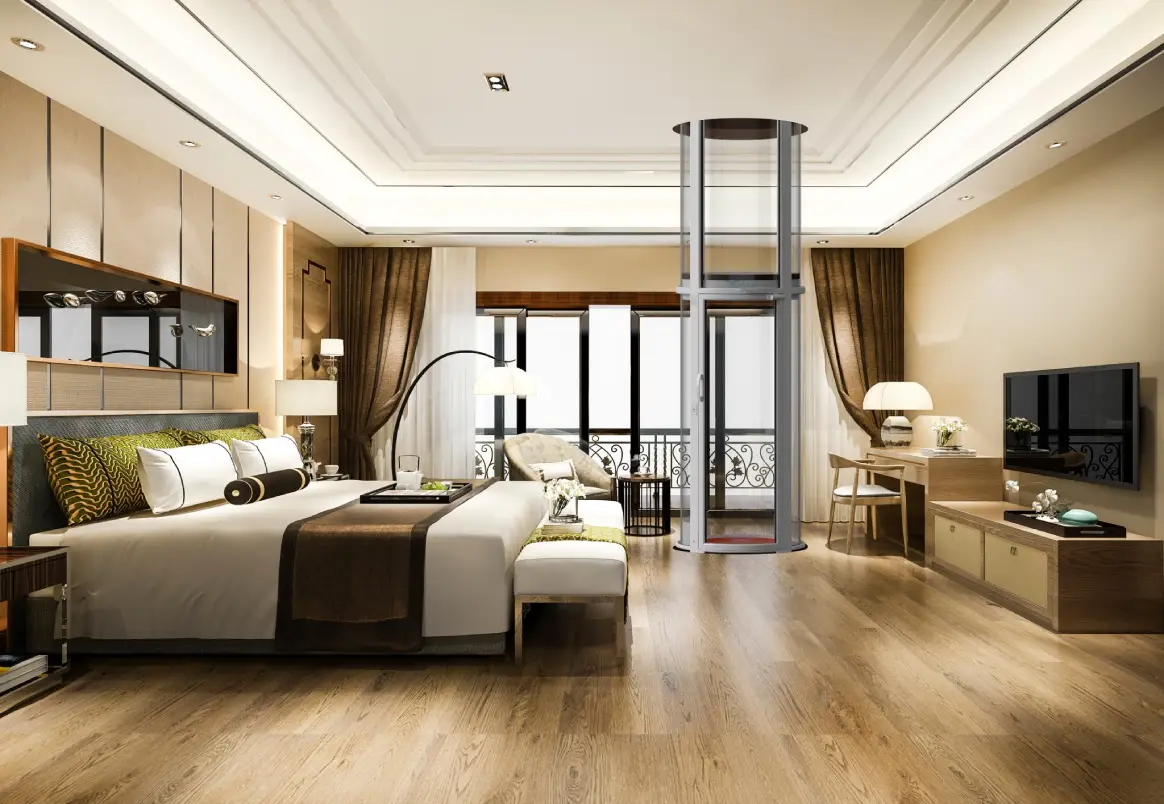
Installing a residential elevator in your home is an exciting step towards enhanced comfort, mobility, and value. Whether you’re aging in place, need help with mobility, or just want the convenience of smooth, effortless access between floors, a home elevator is more than just a luxury—it’s an investment.
But how long can you expect your elevator to last? What can you do to ensure its longevity? In this comprehensive guide, we’ll explore the lifespan of residential elevators, the factors that affect their durability, and how to care for your lift to maximize its efficiency and lifespan. We’ll also touch on small home elevator costs, so you can make a well-informed decision about this significant investment.
Introduction: The Magic of Residential Elevators
Imagine never having to carry heavy boxes up a flight of stairs again. Picture the ease of gliding between floors with the push of a button, all from the comfort of your own home. Whether you’re improving accessibility for loved ones or upgrading your lifestyle, a residential elevator brings both convenience and elegance into your daily routine.
However, like any major home improvement, it’s crucial to understand the long-term care your home lift requires, particularly when it comes to its lifespan. How many years of service can you expect from your residential elevator? And what steps can you take to extend its operational life?
On average, residential elevators last between 20 to 30 years. But with the right care, some systems can even last longer. Let’s explore everything you need to know about how to maximize the lifespan of your elevator.
How Long Can Your Residential Elevator Last? Understanding the Key Factors
The lifespan of a residential elevator depends on several factors. From the type of system you choose to how well it’s maintained, these variables determine whether your elevator will last decades or require early replacement.
1. Hydraulic Elevators: Stability Meets Durability
Hydraulic elevators are a reliable choice for residential buildings, especially those with significant floor heights. These elevators use fluid pressure to raise and lower the elevator car.
Lifespan: A well-maintained hydraulic elevator can last anywhere from 25 to 30 years. They’re built to be robust, but keeping an eye on hydraulic fluid levels, seals, and oil can help you extend their lifespan.
Why They’re a Great Choice:
-
Stable and smooth ride, perfect for homes with more than two floors
-
Fewer moving parts, which translates to less wear over time
-
Affordable maintenance, making it a long-term investment
2. Traction Elevators: Fast, Energy-Efficient, and Long-Lasting
Traction elevators are equipped with a counterweight system that uses cables and pulleys to lift and lower the elevator car. These elevators are known for their efficiency and speed, making them ideal for multi-story homes.
Lifespan: Traction elevators can last between 20 to 25 years with regular care. Cables, pulleys, and the motor need to be maintained regularly to avoid wear.
Why Traction Elevators Are Worth Considering:
-
Energy-efficient: Reduced energy consumption compared to hydraulic elevators
-
Faster operation, especially for homes with multiple floors
-
Smooth and quiet ride, with minimal noise
3. Pneumatic (Vacuum) Elevators: Minimal Maintenance and Modern Design
Pneumatic elevators are a game-changer in the world of home lifts. These systems use air pressure to move the elevator car, meaning they don’t require cables or oil for operation.
Lifespan: Pneumatic elevators are known for their low-maintenance design and can last anywhere from 20 to 30 years. With fewer moving parts, the risk of breakdowns is significantly reduced.
Why Pneumatic Elevators Shine:
-
Minimal maintenance: Few parts to service, reducing costs over time
-
Modern aesthetic: Stylish and sleek design that complements any home
-
Energy-efficient: Uses less electricity and is eco-friendly
4. Cable-Driven Elevators: Compact, Reliable, and Cost-Effective
Cable-driven elevators are an affordable and reliable option for homeowners who need a simple, dependable system. These systems use steel cables to raise and lower the elevator.
Lifespan: A cable-driven elevator typically lasts around 15 to 20 years, depending on the amount of use and maintenance. Frequent servicing of cables and motor components is crucial to prolonging its life.
Why Cable-Driven Elevators Are Still Popular:
-
Cost-effective: Affordable installation and maintenance costs
-
Proven technology: Trusted and simple mechanical systems
-
Compact design: Great for smaller spaces and homes with fewer floors
Key Factors That Impact the Lifespan of Your Residential Elevator
While the type of elevator you install is important, several other factors can influence how long your elevator lasts. Here are the top four factors to keep in mind.
1. Quality of Installation: The First Step to Longevity
The installation process is crucial to the long-term health of your elevator. A poorly installed elevator can lead to misalignments, mechanical problems, and an overall shortened lifespan. Be sure to work with a certified technician who specializes in residential elevator installation.
2. Frequency of Use: How Often Is Your Elevator Running?
The more you use your elevator, the more wear and tear it will experience. If your household uses the elevator frequently, especially for carrying heavy loads, you’ll need to keep up with maintenance and repairs to avoid prematurely shortening its lifespan.
3. Regular Maintenance: Proactive Care Means Longevity
Regular maintenance is the secret to keeping your residential elevator in good working condition. Scheduling annual inspections with a certified technician will allow you to catch minor issues before they turn into major problems. Basic tasks include checking hydraulic fluid levels, inspecting cables, and cleaning the elevator shaft.
4. Environmental Factors: Keep the Elements in Mind
Environmental conditions, such as humidity, extreme temperatures, and salty air near coastal areas, can negatively affect your elevator’s longevity. It’s important to keep the machine room dry, well-ventilated, and free of contaminants to minimize wear on critical parts.
Maximizing the Lifespan of Your Residential Elevator
To ensure that your residential elevator lasts as long as possible, follow these tips:
1. Stay on Top of Maintenance
Regular maintenance is essential. Schedule annual check-ups with a professional elevator technician to check the system’s key components, including cables, motors, and hydraulic fluid.
2. Avoid Overloading the Elevator
Each elevator has a maximum weight capacity. Exceeding that limit can cause undue strain on the motor, cables, and hydraulic system, potentially causing premature failure. Be mindful of weight limits and ensure only appropriate loads are transported.
3. Keep the Elevator and Machine Room Clean
Dust, debris, and dirt can accumulate inside the elevator system, causing friction and wear. Make sure to clean the elevator shaft, rails, and machine room regularly to ensure smooth operation.
When Should You Replace Your Residential Elevator?
Even the most well-maintained elevators eventually need to be replaced. Here are some common signs it might be time to upgrade your system:
-
Frequent breakdowns or expensive repairs
-
The elevator is no longer meeting safety standards
-
Slower performance or uneven, jerky movement
-
Outdated or malfunctioning safety features
In some cases, upgrading or replacing your elevator might be more economical in the long run than continuing costly repairs.
Why Nibav Home Lifts? The Best Choice for Longevity and Peace of Mind
When investing in a residential elevator, you want a system that’s built to last. Nibav Home Lifts use air-driven technology, which significantly reduces the number of moving parts, extending the system’s lifespan. Here’s why Nibav stands out:
-
No cables or oil, reducing maintenance and ensuring longer life
-
Energy-efficient and eco-friendly operation
-
Modern design that fits seamlessly into any home
-
Low maintenance costs due to minimal moving parts
With Nibav Home Lifts, you’re not only getting a beautiful, modern system, but one that’s built for the long-term—saving you time, money, and hassle.