
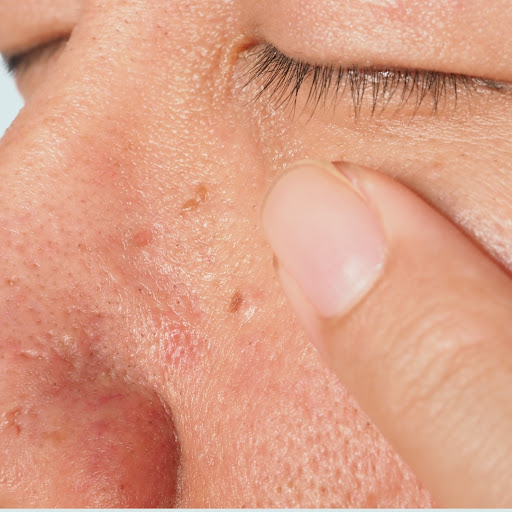
Skin tags are small, benign growths that appear on the surface of the skin, often in areas where skin rubs against skin or clothing. Though generally harmless, they can be unsightly or uncomfortable. A common question people ask is, “Are skin tags contagious?” In this article, we’ll explore the signs of skin tags, their causes, and effective prevention tips.
What Are Skin Tags?
Skin tags, or acrochordons, are soft, flesh-colored growths that usually attach to the skin by a thin stalk. They vary in size, ranging from a few millimeters to more than a centimeter, and are commonly found in skin folds such as the neck, armpits, groin, and under breasts.
While skin tags are benign and rarely cause discomfort, their presence can be a cosmetic concern. Understanding what they are is essential to address the common question: Are skin tags contagious?
Signs of Skin Tags
Identifying a skin tag is straightforward. Common signs include:
-
Small, soft, and smooth growths
-
Flesh-colored or slightly darker than surrounding skin
-
Attached by a narrow stalk
-
Typically located in areas of friction such as the neck, armpits, groin, and under breasts
Skin tags are usually painless unless irritated by clothing, jewelry, or frequent rubbing. Recognizing these signs helps differentiate skin tags from other skin conditions, some of which may be contagious or require medical attention.
Causes of Skin Tags
Skin tags develop when clusters of collagen fibers and blood vessels become trapped inside thicker pieces of skin. Common causes include:
-
Friction: Repeated rubbing of skin against skin or clothing
-
Genetics: Family history increases the likelihood of developing skin tags
-
Hormonal Changes: Pregnancy, menopause, and other hormonal fluctuations
-
Obesity: Skin folds create friction-prone areas
-
Medical Conditions: People with diabetes or metabolic syndrome are more likely to develop skin tags
These factors emphasize that skin tags are not contagious, as they are triggered by internal and environmental factors rather than infections.
Are Skin Tags Contagious?
The answer is a clear no. Skin tags are not contagious and cannot spread from person to person through touch, sharing personal items, or sexual contact. Unlike warts, which are caused by the human papillomavirus (HPV) and can be transmitted, skin tags are benign overgrowths of normal skin tissue.
Understanding this fact helps reduce unnecessary anxiety and prevents misconceptions about the nature of skin tags.
Risk Factors and Prevention
While you cannot transmit skin tags to others, certain risk factors increase their likelihood. Awareness of these factors allows you to adopt preventive measures:
-
Maintain a healthy weight to minimize friction-prone skin folds
-
Keep skin clean and dry, especially in areas where skin rubs together
-
Avoid tight clothing that causes irritation
-
Monitor skin regularly for new or changing growths
Incorporating good health and wellness practices, such as maintaining a balanced diet and regular exercise, can help reduce the risk of developing new skin tags.
Treatment Options
Most skin tags do not require treatment unless they cause discomfort or cosmetic concern. Removal options include:
-
Cryotherapy: Freezing the skin tag with liquid nitrogen
-
Excision: Cutting the skin tag off with sterile scissors or a scalpel
-
Cauterization: Burning the skin tag using heat
-
Topical Solutions: Over-the-counter treatments are available but less effective than professional removal
It is always recommended to consult a dermatologist before attempting removal, as they can ensure safe treatment and proper diagnosis.
When to See a Doctor
Although skin tags are generally harmless, consult a doctor if you notice:
-
Rapid growth or sudden appearance of multiple tags
-
Changes in color, texture, or shape
-
Bleeding, pain, or persistent irritation
-
Uncertainty about whether a growth is a skin tag or another skin condition
Professional evaluation ensures that your skin remains healthy and rules out more serious conditions.
Lifestyle Factors That Influence Skin Tag Development
While genetics and hormonal changes play a significant role in the formation of skin tags, lifestyle factors can also contribute. Maintaining a healthy weight is crucial because excess skin folds increase friction, a primary trigger for skin tag growth. Wearing loose, breathable clothing can reduce irritation in friction-prone areas such as the neck, underarms, and groin.
Nutrition also plays an indirect role. Diets high in sugar and processed foods can increase the risk of insulin resistance, which is linked to a higher incidence of skin tags. Staying hydrated and eating a balanced diet rich in fruits, vegetables, and lean proteins supports overall skin health.
Regular exercise not only helps maintain a healthy weight but also promotes circulation, which can improve skin resilience. Managing underlying medical conditions such as diabetes is also important, as these conditions are associated with a higher likelihood of developing skin tags.
By integrating these lifestyle practices into your daily routine, you can reduce risk factors for skin tags and support overall health and wellness. Remember, even with preventive measures, skin tags are harmless and not contagious, so there is no need for concern about spreading them to others.
Conclusion
In summary, skin tags are not contagious. They are benign growths caused by friction, genetics, hormonal changes, and certain medical conditions. Recognizing the signs, understanding the causes, and following preventive measures can help manage skin tags effectively.
Focusing on health and wellness practices, such as maintaining a healthy weight and monitoring skin regularly, can reduce the risk of developing new skin tags. By separating myths from facts, individuals can confidently address skin tags without fear of spreading them to others.