
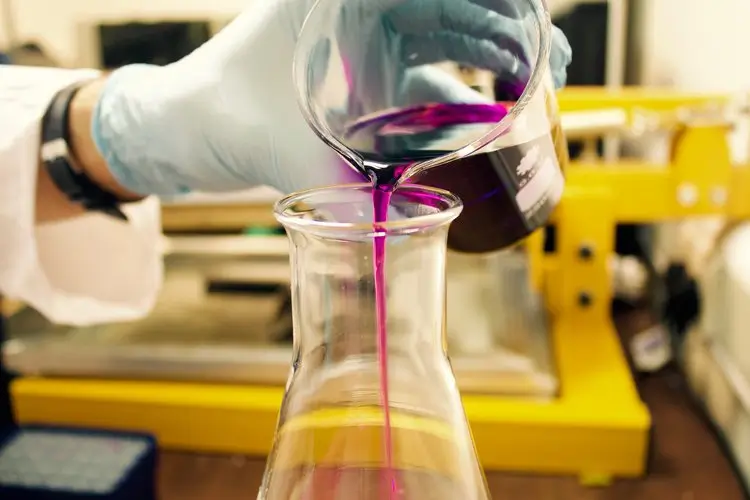
Introduction to Embalming Fluids
Embalming fluids have been a staple in the funeral industry for centuries, used to preserve the body after death for viewing, funeral services, or transportation. These chemicals help slow down the natural decomposition process, allowing for a dignified presentation of the deceased. However, despite their widespread use, the health and environmental risks associated with embalming chemicals raise serious concerns.
What Are Embalming Fluids?
Embalming fluids are chemical solutions used to preserve bodies temporarily. These fluids primarily contain formaldehyde, methanol, and other compounds that serve to disinfect and preserve tissues. The primary goal is to delay the natural decomposition process, allowing the body to be presentable for viewing and funeral services.
Commonly Used Embalming Chemicals
Among the most common chemicals in embalming fluids are:
- Formaldehyde: This is the primary preservative and disinfectant used in embalming solutions.
- Methanol: Often added to prevent the decomposition of formaldehyde.
- Phenol: A chemical that helps with tissue preservation.
- Water and other solvents: These help dissolve the embalming chemicals for use.
These chemicals are potent, effective at preserving tissue, but come with significant health risks.
Purpose of Embalming Fluids
The primary purpose of embalming fluids is to slow the decomposition process by disinfecting the body and replacing bodily fluids with preservative chemicals. This procedure is mainly done for viewing, memorial services, or transportation before burial or cremation.
The Health Risks of Embalming Chemicals
While embalming chemicals serve an essential role in the funeral industry, their use and exposure come with significant health risks, especially for those who handle them regularly.
Short-Term Exposure Effects
Exposure to embalming chemicals can cause immediate discomfort and health problems. Individuals working with embalming fluids may experience irritation in the eyes, nose, and throat due to the inhalation of formaldehyde vapors. Symptoms of short-term exposure include headaches, dizziness, and nausea. Contact with the skin can cause redness, rashes, and chemical burns in severe cases.
Long-Term Exposure Risks
Long-term exposure to embalming chemicals, particularly formaldehyde, can have more severe effects on health. Chronic exposure has been linked to respiratory issues, liver damage, and even cancer. Studies have shown that formaldehyde, one of the primary components of embalming fluids, is a known carcinogen. Those who work with embalming fluids regularly, such as morticians, are at an increased risk of developing respiratory diseases and certain cancers, particularly of the throat, nasal passages, and lungs.
Impact on the Respiratory System
The inhalation of fumes from embalming chemicals is one of the most significant risks associated with embalming. Formaldehyde is a potent irritant to the respiratory system, causing inflammation in the airways, coughing, and shortness of breath. Long-term exposure can lead to more serious conditions, such as chronic obstructive pulmonary disease (COPD) or asthma.
Effects on the Skin and Eyes
Embalming chemicals can cause significant irritation when they come into contact with the skin or eyes. Direct contact with formaldehyde or other embalming chemicals may result in chemical burns, itching, or rash. For morticians or others handling the chemicals, regular use of protective gloves and goggles is essential to avoid skin and eye irritation.
Neurological Risks
In addition to respiratory and skin issues, prolonged exposure to embalming chemicals can affect the nervous system. Symptoms may include headaches, dizziness, confusion, and fatigue. Long-term exposure to high levels of formaldehyde may even result in neurological damage, affecting cognitive functions and causing mood swings.
Toxicity and Environmental Impact of Embalming Fluids
In addition to posing significant health risks to individuals handling them, embalming chemicals also have serious environmental implications.
Toxicity to Humans and Animals
Embalming fluids are highly toxic to both humans and animals if ingested or absorbed through the skin. There have been incidents where embalming chemicals have leached into the groundwater, posing risks to local wildlife and humans who rely on those water sources.
Environmental Contamination
When improperly disposed of, embalming chemicals can contaminate soil and water. The toxic components in embalming fluids, especially formaldehyde, can break down into harmful byproducts that linger in the environment. This contamination can disrupt local ecosystems, harming plant and animal life.
Disposal and Its Impact on Soil and Water
Disposing of embalming fluids is a challenge. Improper disposal methods, such as pouring them down drains or into open areas, can lead to contamination of water sources. Many environmental agencies are now calling for stricter regulations on the disposal of these chemicals, advocating for the safe and responsible management of toxic embalming fluids.
Regulations Surrounding Embalming Chemicals
Due to the known risks of embalming chemicals, there are now regulations in many countries aimed at minimizing exposure and ensuring safe disposal. These include requirements for ventilation systems in funeral homes, protective equipment for workers, and guidelines on the safe disposal of embalming fluids.
Alternatives to Traditional Embalming Fluids
As concerns over the health and environmental risks of embalming chemicals grow, the funeral industry has begun exploring safer alternatives.
Natural Alternatives in the Funeral Industry
Natural embalming alternatives use less toxic substances. Some funeral homes now offer options like plant-based preservatives and bio-degradable solutions that avoid the use of formaldehyde and other harmful chemicals. These alternatives are gaining traction as people seek more environmentally friendly burial options.
Green Burial and Its Benefits
Green burial, a practice gaining popularity in the U.S. and other countries, involves burying the body in a biodegradable casket without the use of embalming fluids. This method is considered far more eco-friendly, as it avoids the use of toxic chemicals and reduces environmental contamination.
Safety Measures for Handling Embalming Chemicals
To minimize the risks associated with embalming chemicals, safety measures are essential.
Protective Gear and Precautions
Individuals working with embalming chemicals should wear protective clothing, including gloves, masks, and goggles, to reduce exposure. Ventilation systems in funeral homes and embalming rooms should also be in place to ensure that fumes are properly filtered out.
Proper Storage and Disposal Methods
Safe storage and disposal methods are critical in preventing contamination. Embalming chemicals should be stored in sealed, labeled containers and disposed of according to local regulations to prevent environmental damage.
Conclusion
In conclusion, while embalming chemicals play an essential role in the funeral industry, their use presents significant health and environmental risks. Formaldehyde, a key component in many embalming fluids, poses serious dangers to human health, with risks ranging from respiratory issues to cancer. Moreover, the environmental impact of these chemicals, especially when improperly disposed of, cannot be ignored. As awareness grows, alternative embalming methods and safer practices are being adopted, providing a glimmer of hope for a healthier, more eco-conscious future.
FAQs
1. What are the dangers of embalming chemicals?
Embalming chemicals, particularly formaldehyde, are toxic and can cause respiratory issues, skin irritation, and long-term health effects, including cancer.
2. How can I protect myself from exposure to embalming fluids?
Using proper protective gear such as gloves, masks, and goggles, and ensuring proper ventilation can reduce exposure to embalming chemicals.
3. What are the environmental impacts of embalming chemicals?
Embalming fluids can contaminate soil and water, disrupting local ecosystems. Improper disposal can lead to widespread environmental harm.
4. Are there safer alternatives to embalming fluids?
Yes, natural embalming alternatives and green burial practices offer safer and more eco-friendly options.
5. How are embalming chemicals disposed of safely?
Embalming chemicals should be disposed of according to local regulations, often requiring professional waste management services to prevent environmental contamination.
Read more articles.