
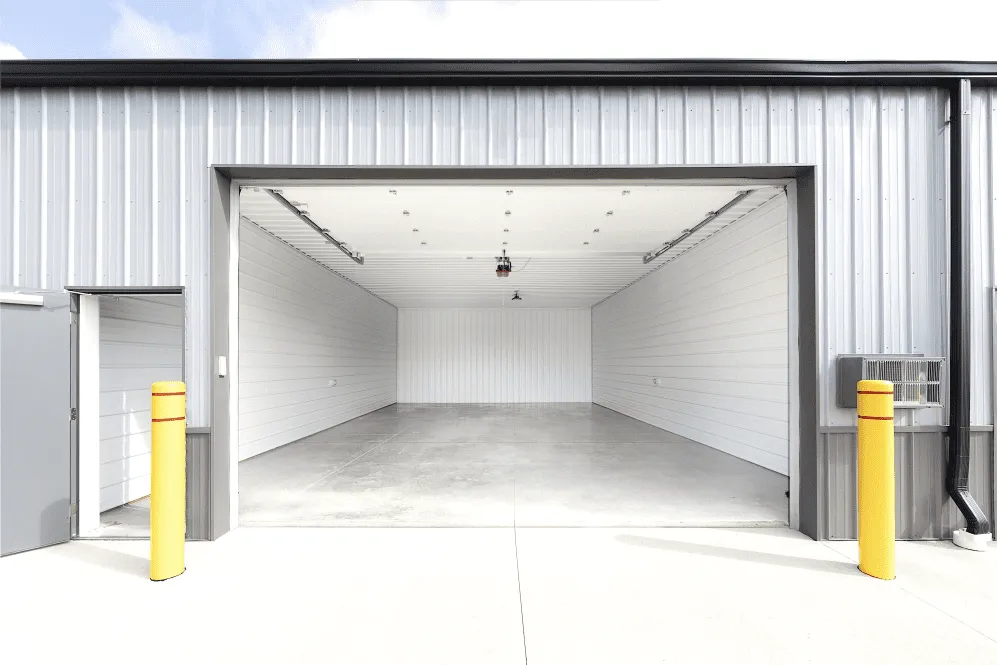
Choosing between short-term and long-term storage can feel like sorting through your life and picking what to keep and what to put away. Sure, rationality is involved, but emotion is also. Besides “stuff,” some objects are reminders, like a childhood instrument, old journals, or family furniture from decades ago. You may be moving, renovating, or attempting to breathe in a congested space. The right choice depends on what you’re storing, how long you’ll need to store it, and how much access you want along the way. Once that puzzle’s clear, storage becomes less of a hassle and more of a thoughtful extension of your home.
Understanding the Purpose Behind Storage Duration
Time changes how storage works. Short-term storage is more of a pit stop than a destination. It’s for those in-between moments—like when your new apartment’s not ready yet, or your living room is full of drop cloths and paint cans. Maybe you just want a temporary home for the seasonal chaos—holiday décor, winter gear, or the camping stuff that only sees daylight twice a year. Short-term options usually let you rent by the month, move things in fast, and pull them out just as easily. There’s no big commitment, which makes it ideal for short bursts of unpredictability.
Long-term storage moves at its own quiet pace. It’s less about easy access and more about keeping things safe—old records, family heirlooms, maybe vintage furniture—tucked away securely so you don’t have to worry about them.
The main difference really comes down to how often you’ll want to access your stuff. If you’re likely to pop in every few weeks, short-term makes life smoother. But if the boxes can sit untouched for months without concern, long-term storage offers the better deal.
Evaluating Flexibility, Accessibility, and Convenience
Short-term storage tends to win on flexibility. You can move in quickly, move out quickly, and usually without a pile of paperwork. People in transition—those waiting for their new home to close, or living somewhere temporarily—often find this freedom worth the higher price. Someone renovating a kitchen might want to pull out boxes of cookware mid-project, for example. That kind of access is easier when you’re not bound by long-term contracts or notice periods.
Long-term storage flips that idea on its head. It’s built for consistency, not constant visits. Facilities that focus on long-term storage often include climate control, better security, and environmental management. Think of items that can’t handle change well—wood furniture that warps with humidity, vintage clothing that needs air circulation, or photo albums that shouldn’t sit in fluctuating heat. Here, the priority shifts from “easy access” to “lasting protection.”
Both serve valid needs, and sometimes the difference blurs. Someone renting storage in Bethesda, MD for instance, might not know whether their short stay will stretch into months. In that case, flexibility matters just as much as cost. Choosing between convenience and stability isn’t always about how long you plan to rent—it’s about how much control and care your items really need.
Comparing Cost, Security, and Environmental Factors
Money, predictably, complicates things. Short-term storage often costs more per month because it gives you freedom—like booking a hotel instead of signing a lease. You’re paying for quick turnaround and flexibility. The problem comes when “short-term” turns into six months without realizing it; the convenience can quietly add up.
Long-term storage usually has lower monthly rates for extended commitments. It’s the more economical option when you know you’ll need space for the foreseeable future. But there’s less wiggle room—you’re committing upfront, and that stability is what keeps the costs manageable.
Security is another dividing line. Short-term facilities are usually designed for fast access—lots of movement, people coming and going, easy check-ins. Long-term storage tends to feel quieter and more fortified, with gated entry, cameras, and environmental monitoring. You’ll also find better temperature and humidity control—important for electronics, artwork, or instruments that react to climate shifts. Ultimately, the physical environment plays a big role in what you choose. Some items can survive a bit of dust and temperature change, while others can’t. The trick is knowing the sensitivity of what you’re storing before you sign that contract.
Knowing When to Choose Each Storage Option
Storage needs change. What seems practical this month might feel pointless next year. For a quick clean-out before moving, a short trip abroad, or storing furniture during renovations, short-term storage just fits—it’s flexible and easy to dip in and out of. Long-term storage, though, is a different story. It’s the safe zone for things that matter but rarely come out—old records, family antiques, or that collection you can’t quite part with. Most people end up using both, depending on what life throws at them. Decisions depend on time and intent—how much you value accessibility against preservation.
Conclusion: Making the Right Decision for Your Belongings
The choice between short-term and long-term storage isn’t really about duration—it’s about relationship. How often do you really use those things, and how much do they honestly matter? Short-term storage keeps you mobile, while long-term storage provides peace of mind. Finding a good balance between cost, convenience, and safety isn’t exactly easy. Still, companies like Georgetown Moving and Storage Company manage both aspects pretty well. They really make storage a surprisingly simple and reliable option for anyone who’s feeling unsure.