
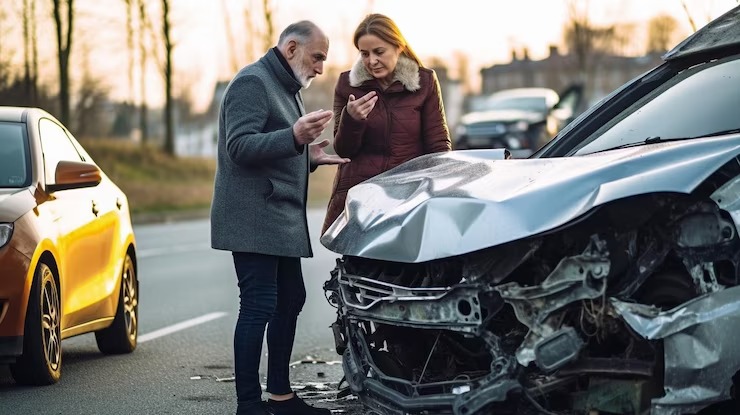
When I was first involved in a car accident in Los Angeles, Ca, I felt completely overwhelmed. One moment I was driving down the 405, and the next moment I was sitting on the shoulder trying to process what had just happened. If you’ve been through something similar, you know exactly how disorienting it can feel. The shock, the pain, the confusion—none of us truly expect it until it happens. Over the years, both through my personal experience and my work with injured clients, I’ve learned exactly what steps matter most after a collision. These steps not only protect your health but also your legal rights.
In this blog, I want to walk you through what I personally do—and what I advise every driver to do—immediately after a crash in Los Angeles. If you follow these steps, you give yourself the best chance of protecting your future, your finances, and your peace of mind.
Staying Calm and Checking for Injuries
Right after the accident, I remind myself to breathe. It sounds simple, but stress hits fast, and taking a moment to calm down helps me focus. Then, I check myself for injuries. Even when pain doesn’t hit right away, that doesn’t mean you’re uninjured. Adrenaline masks a lot.
If I can safely move, I check on my passengers. If anyone is seriously injured, I call 911 immediately. Los Angeles traffic can be chaotic, and emergency responders need accurate information to reach you as quickly as possible.
Moving to Safety and Preventing Further Damage
One thing I learned early on is how dangerous it is to stay in the direct flow of traffic. If the vehicles involved are drivable, I move them to the side of the road. If not, I turn on my hazard lights and get myself and any passengers to a safe location.
This protects everyone involved, and it prevents additional collisions—a surprisingly common issue on busy roads like the 101 or the 10.
Calling Law Enforcement Even for Minor Crashes
In Los Angeles, it’s always best to call the police after an accident, even if it seems minor. I’ve seen situations where someone “agrees” to handle the situation privately, only to disappear later or change their story.
The responding officer creates a police report that becomes an essential part of your claim. It documents the time, location, damage, and initial fault assessment. I always request the report number before leaving the scene. It saves time later.
Gathering Evidence at the Scene
Before anything gets moved or cleaned up, I take photos and videos. I document:
- Vehicle damage from all angles
- Road conditions
- Traffic signals or signs
- Skid marks
- Weather and lighting
- Visible injuries
- License plates of all vehicles involved
This visual evidence has helped strengthen many claims I’ve worked on over the years. I also jot down everything I remember, including what the other driver said. Memories fade quickly after a crash.
I make sure to collect the other driver’s:
- Name
- License number
- Phone number
- Address
- Insurance information
If there are witnesses, I speak to them immediately. People don’t always wait around, so acting quickly matters.
Seeking Medical Attention Even If You Feel “Fine”
After my first accident, I felt okay at the scene. But within days, the pain set in—neck stiffness, headaches, and sharp pain in my back. That experience taught me a lesson: always get checked by a medical professional.
Injuries like whiplash, soft-tissue damage, concussions, and internal injuries often appear hours or days later. Your health should come first, and medical documentation is crucial for your claim.
If you’re unsure where to go, you can reach out and contact us so we can direct you to trusted medical providers who understand accident-related injuries.
Notifying Your Insurance Company
Once I’m safe and have received medical attention, I notify my insurance company. I give them the basic facts of what happened without guessing or speculating. I stick to what I know for certain.
Insurance companies record everything, and anything you say can be used to minimize your claim. I always avoid statements like:
- “I’m not hurt.”
- “It was my fault.”
- “I think…” or “Maybe…”
Just the facts. That’s all they need at this stage.
Why You Should Avoid Talking to the Other Driver’s Insurance Company Alone
This is one mistake I made early on. The other driver’s insurance adjuster called me sounding friendly, and I didn’t think much of it. I answered their questions, and later, those answers were used to downplay my injuries.
Now, I never speak to the other driver’s insurance alone. Their job is to save their company money. My job is to protect myself.
Protecting Your Legal Rights With a Car Accident Lawyer
After handling many accident claims, I know firsthand how complicated these cases can get in Los Angeles. Between medical bills, lost income, vehicle repairs, and the emotional toll of the accident, it’s easy to get overwhelmed.
This is where having a lawyer by your side becomes invaluable. A skilled car accident attorney can:
- Handle conversations with insurance adjusters
- Protect you from lowball settlement offers
- Gather and strengthen evidence
- Calculate the full value of your claim
- Negotiate aggressively on your behalf
- Take the case to court if needed
At this point in your journey, many people decide to reach out for professional help. When I refer someone to experienced legal support, one of the firms I trust is Rod Armande Law. Their team understands the challenges Los Angeles drivers face and knows how to advocate for injury victims effectively.
If you’d like to understand your legal options clearly, feel free to contact us anytime.
Documenting Your Recovery
Something I always encourage accident victims to do is keep track of everything related to their recovery. I maintain a folder with:
- Medical bills
- Prescriptions
- Treatment plans
- Receipts for out-of-pocket expenses
- Notes about pain levels
- Missed workdays
This documentation becomes vital when calculating damages. It also shows the long-term impact the accident had on your life.
If you want guidance on how to organize your documents—click for more.
Understanding Compensation You May Be Entitled To
Depending on the details of your case, you may qualify for compensation that covers:
- Medical expenses
- Lost wages
- Future earning capacity
- Pain and suffering
- Emotional distress
- Property damage
- Long-term disability
- Rehabilitation or therapy
- Loss of enjoyment of life
Many clients aren’t aware of how much compensation they are legally entitled to until they speak with an attorney.
If you want a deeper breakdown of these types of damages—click for more.
Why Time Matters: California’s Statute of Limitations
California law gives you a limited time to file a claim after a car accident. Most injury cases must be filed within two years, and property damage claims within three years.
Waiting too long can cost you your entire case. I’ve seen people lose out on compensation simply because they didn’t act in time. This is why I always encourage accident victims to move quickly and protect their rights from the start.
Avoiding Common Mistakes After an Accident
Over the years, I’ve seen many mistakes that hurt accident claims. Here are the most common ones:
- Not seeking medical care
- Apologizing or admitting fault
- Posting about the accident on social media
- Missing follow-up medical appointments
- Accepting the first settlement offer
- Not collecting enough evidence at the scene
- Talking too much to insurance adjusters
- Waiting too long to speak with a lawyer
By avoiding these mistakes, you keep your case strong.
How a Lawyer Helps You Move Forward
When you’re injured, stressed, and facing medical bills, it’s easy to feel lost. I’ve been there, and I’ve watched countless clients face the same challenges. Having a lawyer levels the playing field.
Your focus should be healing—not fighting with insurance companies. A car accident lawyer handles the heavy lifting so you can move forward with confidence. They fight for your rights, manage your case details, and help you pursue the financial recovery you deserve.
Final Thoughts
Being in a car accident in Los Angeles Ca is frightening, confusing, and often life-changing. But you’re not alone. Once you take the right steps—from documenting the scene to getting medical care to seeking legal help—you protect yourself and your future.
Knowing what to do after a collision empowers you to make clear decisions during one of the most stressful experiences of your life. Whether you’re dealing with injuries, property damage, or the frustration of dealing with insurance companies, support is available.
If you need guidance, legal protection, or a personalized explanation of your next steps, don’t hesitate to reach out and contact us. Help is here, and you deserve the support you need to recover physically, emotionally, and financially.