
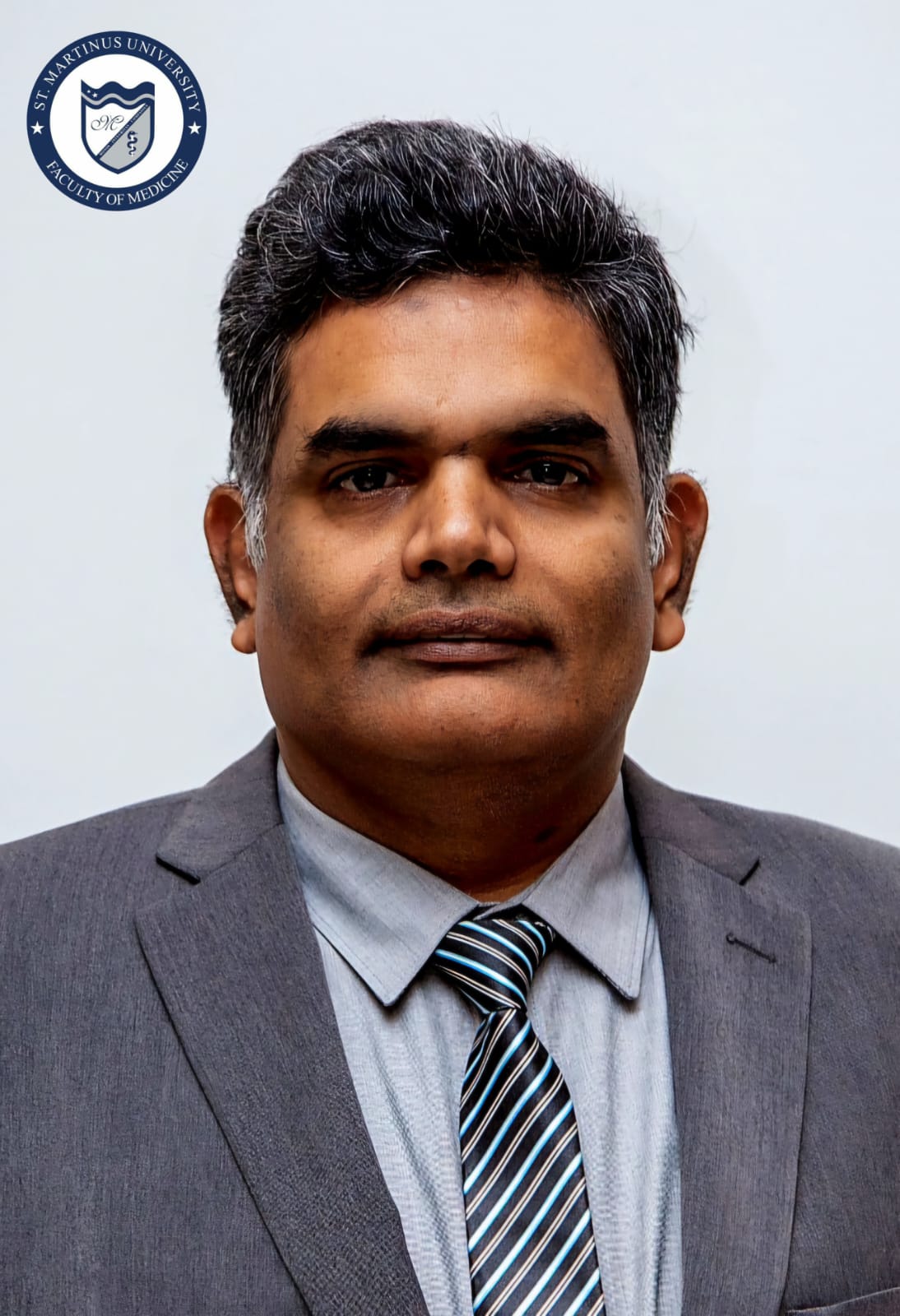
Healthcare leadership today requires more than medical knowledge. It needs the ability to connect insights from different industries and apply them to real patient needs.
Dr. Murali Ginjupalli exemplifies this approach. His experience spans pharmacy, entrepreneurship, healthcare operations, academic leadership, research, and community service. This diverse background has shaped a simple principle: place the patient at the center of every decision.
His journey shows how cross-industry experience can reshape healthcare models, improve access, enhance medical training, and strengthen compassion in healing.
Pharmacy Foundations: Understanding Patient Behavior at the Ground Level
Dr. Ginjupalli began his career as a pharmacist—a role that directly connects healthcare systems to real people. This experience taught him why patients struggle with medication adherence, how health literacy affects treatment outcomes, what emotional barriers influence patient decisions, and why clear communication matters.
He transformed pharmacy from a dispensing function into a care model that included patient education, preventive screenings, medication management, and personalized health guidance.
This early work shaped a core belief: Healthcare must begin where the patient stands, with their fears, questions, habits, and challenges.
As he expanded into multiple pharmacy businesses, he implemented patient-first systems that improved accessibility, consultation quality, and overall care experience.
Entrepreneurship: Building Scalable, Community-Focused Healthcare
Dr. Ginjupalli’s entrepreneurial ventures across the U.S. taught him how business innovation can accelerate public health impact. Instead of building for profit alone, he created service-driven healthcare systems focused on quick appointment access, reduced waiting times, patient comfort, technology-enabled medication tracking, and better coordination across care teams.
Through these ventures, he proved that patient-centric models can be compassionate, scalable, sustainable, and economically viable.
Communities benefited because these systems were easy to access, safe, designed around patient needs, and built for real-world health challenges.
Academic Leadership: Shaping Patient-Focused Physicians
As Chancellor of St. Martinus University (SMU) in Curaçao, Dr. Ginjupalli brought his diverse background into medical education.
His vision is straightforward: train medical students who are skilled clinicians, excellent communicators, empathetic listeners, technologically aware, prepared for USMLE and global exams, and equipped to serve diverse populations.
He strengthened SMU’s training by improving student-centered learning, clinical rotations, accreditation standards, research exposure, and practical medical skills.
The goal: Train doctors who understand patients as people, not cases.
This philosophy is now embedded in SMU’s culture, shaping how future physicians think, learn, and care.
Healthcare Innovation: Using Technology to Reduce Patient Burden
With expertise in operations, pharmacy, and education, Dr. Ginjupalli views technology as a tool to support human care, not replace it. His approach includes digital follow-up systems, medication safety technologies, data-driven decision-making, better coordination between pharmacies, clinics, and hospitals, and automated systems that reduce errors.
While AI and digital tools enhance efficiency, he maintains that empathy and human interaction must remain central.
He encourages future doctors to balance innovation with compassion.
Philanthropy & Community Impact: Delivering Healthcare Where It’s Needed
Through the Ginjupalli Foundation, Dr. Ginjupalli ensures healthcare reaches underserved communities. His initiatives include free medical camps in rural areas, health awareness programs, educational support for students, and over 4,000 COVID-19 vaccinations through his pharmacy network.
These efforts strengthen his belief that healthcare must be accessible, inclusive, and equitable.
A Unified Vision: Connecting All Fields Into One Framework
Dr. Ginjupalli’s experiences across industries form a cohesive vision.
Pharmacy taught him real patient struggles. Entrepreneurship showed him how to build scalable models. Education prepares empathetic physicians. Healthcare operations improve efficiency. Research drives progress. Community service ensures equity and access.
This approach creates healthcare systems that are compassionate, efficient, innovative, accessible, and globally relevant. The most impactful healthcare models connect industries, knowledge systems, and human needs.
Conclusion
Dr. Ginjupalli’s journey shows that patient-centric healthcare is more than a strategy. It’s a mindset shaped by experience, empathy, and innovation.
By integrating insights from pharmacy, entrepreneurship, education, technology, and community service, he continues to influence how healthcare is delivered and how future doctors are trained.
FAQs
What makes Dr. Ginjupalli’s approach truly patient-centric?
His approach goes beyond clinical treatment. It focuses on the patient’s entire journey—accessibility, clear communication, emotional support, medication safety, and continuity of care. Every system and innovation is designed to reduce patient burden and improve health outcomes.
His model ensures patients feel heard, supported, and empowered.
How has his pharmacy background influenced his healthcare leadership?
Pharmacy gave Dr. Ginjupalli direct insight into patient realities: why they skip doses, misunderstand prescriptions, or struggle with long-term treatment. This taught him the value of personalized guidance and preventive care.
This foundation now shapes his leadership. Policies, systems, and academic training reflect real patient behavior, not just theory.
What is Dr. Ginjupalli’s vision for modern medical education?
He wants to produce competent, compassionate, globally prepared physicians. At SMU, he promotes practical training, strong communication and ethics, USMLE readiness, exposure to real-world healthcare challenges, and research-driven learning.
The goal is doctors who think clinically, act empathetically, and adapt to changing healthcare environments.
How does Dr. Ginjupalli incorporate innovation into healthcare models?
For Dr. Ginjupalli, innovation matters only when it improves patient experience. He uses digital tools for follow-ups, medication safety technologies, data-driven decisions, and better care coordination.
Innovation should reduce errors, save time, and improve continuity while keeping the human connection between doctor and patient central.
Why is community service essential to his work?
Community service reflects his belief that healthcare must be equitable and inclusive. Through medical camps, health programs, educational initiatives, and vaccination drives, he ensures underserved populations receive timely care.
For Dr. Ginjupalli, serving the community isn’t extra. It’s integral to patient-first, society-first healthcare.