
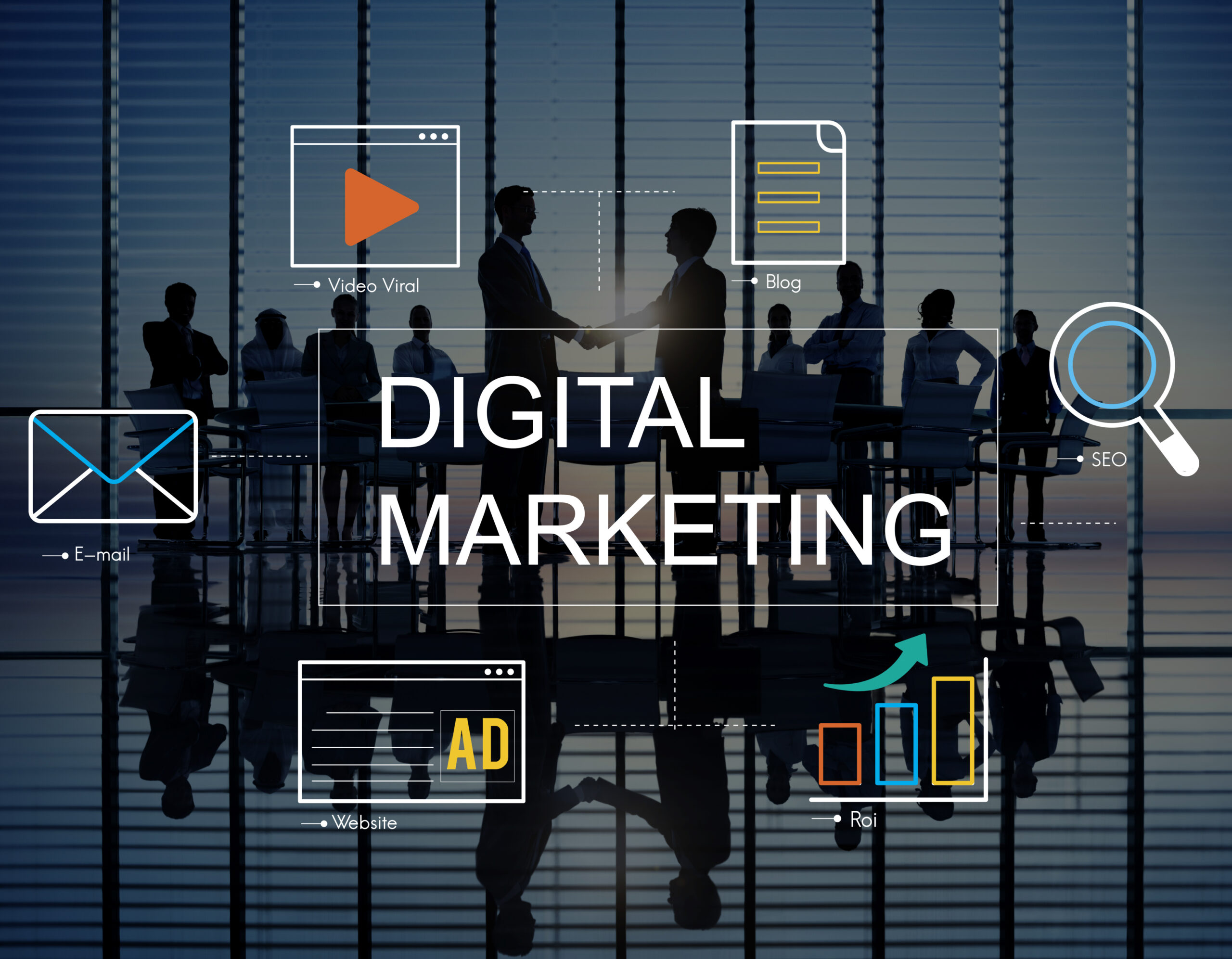
Digital marketing has undergone a major transformation in recent years, largely due to the growing integration of artificial intelligence. Businesses are no longer relying solely on traditional marketing strategies; instead, they are shifting toward data-driven methods that analyze user behavior, automate campaigns, and personalize interactions. Artificial intelligence has become a key force behind this evolution, helping marketers deliver more accurate, efficient, and impactful campaigns.
This article explores the role of artificial intelligence in digital marketing, its benefits, its influence on customer experience, and the trends that will shape the future of the industry.
How Artificial Intelligence Is Transforming Digital Marketing
One of the biggest challenges in digital marketing is analyzing massive amounts of data and generating meaningful insights. Human marketers can only process a limited volume of information, but intelligent systems can analyze patterns, predict outcomes, and optimize strategies in real time. This capability has reshaped the way businesses approach marketing.
Artificial intelligence strengthens digital marketing by improving accuracy, enhancing targeting, and simplifying decision-making. It helps marketers understand customer behavior on a deeper level, identifies trends before they happen, and ensures that marketing efforts deliver measurable results.
The shift towards automation and intelligent decision-making has made digital marketing more cost-effective and scalable for businesses of all sizes.
Enhancing Customer Experience
Customer experience plays a central role in digital marketing. Modern customers expect brands to understand their preferences, provide personalized recommendations, and offer quick support. Artificial intelligence has made this possible by enabling real-time analysis and personalized interactions.
Personalized Product Recommendations
Personalization increases customer satisfaction and boosts sales. Intelligent systems can study user behavior, browsing patterns, purchase history, and search intent to recommend products that align with their interests.
Benefits of personalized recommendations include:
-
higher conversion rates
-
stronger customer loyalty
-
reduced bounce rates
-
an improved shopping experience
This technique is widely used by leading e-commerce platforms and is one of the main reasons for their high revenue and customer engagement levels.
Improved Search Experience
Search engines and on-site search functions have also become smarter. Intelligent systems are capable of understanding user intent, offering predictive search suggestions, and delivering relevant results. This improves the overall browsing experience and helps customers find information or products more quickly.
Marketing Automation and Its Growing Importance
Automation is now essential in digital marketing. It helps marketers perform repetitive tasks efficiently while focusing on more strategic activities. The integration of intelligent systems has elevated automation to a new level.
Advanced Email Marketing Automation
Email marketing automation allows businesses to send personalized messages based on customer behavior. These automated sequences include:
-
welcome emails
-
abandoned cart reminders
-
product recommendations
-
re-engagement campaigns
-
purchase follow-ups
Such automation helps businesses maintain consistent communication with customers, strengthen relationships, and increase sales without continuous manual effort.
Ad Campaign Optimization
Advertising platforms use intelligent systems to identify the best audience segments, select high-performing ad creatives, and optimize bidding strategies. This ensures:
-
reduced advertising costs
-
better return on investment
-
improved click-through rates
-
more accurate targeting
Real-time ad optimization is now a core feature of major advertising networks, including search engines and social media platforms.
Predictive Marketing and Its Impact
Predictive marketing is one of the most advanced applications of artificial intelligence in digital marketing. It uses historical data to forecast future customer behavior, helping businesses make proactive decisions.
Predictive models can identify:
-
which customers are most likely to make a purchase
-
who may stop engaging with the brand
-
which products will be in high demand
-
the best time to launch a campaign
This helps businesses allocate budgets more effectively, minimize risks, and plan strategies that align with customer expectations.
Predictive marketing empowers brands to stay ahead of competition and deliver experiences that resonate with users.
Data-Driven Decision Making
In digital marketing, success depends heavily on accurate data. Intelligent systems offer marketers deep insights into customer behavior, market trends, and campaign performance.
With detailed analytics, businesses can identify:
-
top-performing marketing channels
-
customer engagement patterns
-
content types that attract the most interest
-
stages in the customer journey that need improvement
Data-driven decisions allow businesses to optimize campaigns, reduce unnecessary expenses, and improve overall marketing performance.
Chatbots and Improved Customer Support
Customer support plays a crucial role in building trust. Intelligent chat systems have enabled businesses to provide instant support around the clock. These chatbots:
-
answer frequently asked questions
-
guide users through the purchase journey
-
assist with bookings
-
support product navigation
-
reduce wait times for customers
By automating basic support tasks, businesses improve customer satisfaction while reducing the burden on human support teams.
Rise of Voice Search
Voice search is becoming increasingly popular as users interact with smartphones, smart speakers, and other voice-enabled devices. Natural language processing helps these devices understand spoken queries and deliver appropriate responses.
This shift has changed how marketers approach search engine optimization. Voice search requires:
-
conversational keywords
-
long-tail phrase optimization
-
local SEO improvements
-
faster website performance
Businesses that adapt early to voice search optimization gain a better chance of ranking higher and reaching more users.
Content Creation and Optimization
Content remains central to digital marketing, but planning, creating, and optimizing it can be challenging. Intelligent systems help marketers understand what type of content works best and how to improve it.
Content Planning
Tools can identify trending topics, analyze competitor strategies, and highlight content gaps. This helps marketers produce content that aligns with audience interests, ensuring better engagement.
Understanding Content Performance
Intelligent analysis helps track:
-
page views
-
engagement rates
-
reading time
-
shares
-
search performance
This information helps businesses adjust their content strategy and create more effective articles, videos, and graphics.
Fraud Detection and Security
Digital advertising often faces issues such as fake clicks, bot traffic, and invalid impressions. These activities waste advertising budgets and distort performance metrics.
Artificial intelligence helps identify:
-
suspicious user behavior
-
fake accounts
-
bot-driven clicks
-
unusual traffic patterns
This protects businesses from financial loss and increases transparency in digital advertising.
Future Trends: What Lies Ahead for Digital Marketing
The future of digital marketing will be defined by deeper integration of intelligent technologies. Here are the major future trends that will shape the industry:
Hyper-Personalization
Future marketing will move beyond basic personalization. Hyper-personalization will deliver:
-
real-time product suggestions
-
dynamic website pages personalized for each user
-
individualized offers based on mood, location, and previous behavior
This level of personalization will significantly increase engagement and conversions.
Advanced Behavioral Segmentation
Marketers will be able to classify customers into micro-segments based on highly detailed behavior patterns. This will lead to more targeted and successful campaigns.
Automated Content Production
Businesses will produce high-volume, highly relevant content quickly. This will include personalized ads, detailed reports, and optimized social media posts.
Emotion-Based Interaction
Future technologies may analyze facial expressions, voice tone, and behavioral cues to understand user emotions. This will help businesses deliver more meaningful interactions.
Smarter Advertising Systems
Advertising platforms will automatically handle budget allocation, creative testing, and audience targeting with minimal human involvement. Campaigns will adjust themselves in real time to achieve the best results.
Immersive Marketing Using VR and AR
Virtual reality and augmented reality will allow customers to explore products in a virtual environment, test features, and make informed decisions. This trend will create more engaging and interactive marketing experiences.
How Businesses Can Benefit from These Advancements
The purpose of integrating intelligent technologies into digital marketing is not to replace human marketers but to enhance their capabilities. Businesses that adopt these tools can achieve:
-
improved customer communication
-
higher return on investment
-
stronger personalization
-
more accurate targeting
-
increased operational efficiency
Marketing agencies such as Ingenious Guru are already utilizing advanced tools and strategies to help brands reach broader audiences and create impactful marketing campaigns.
Conclusion
Artificial intelligence has become a fundamental part of digital marketing, offering tools that improve decision-making, automate repetitive tasks, and elevate customer experience. From personalized recommendations to predictive analytics, the influence of this technology is visible in every aspect of online marketing.
The future of digital marketing will be shaped by hyper-personalization, automated content systems, predictive advertising, and immersive experiences. Businesses that adopt these innovations early will gain a strong competitive advantage and achieve long-term growth.
As digital marketing continues to evolve, the integration of intelligent systems will help businesses stay ahead, improve customer connections, and create strategies that are both efficient and highly impactful.