
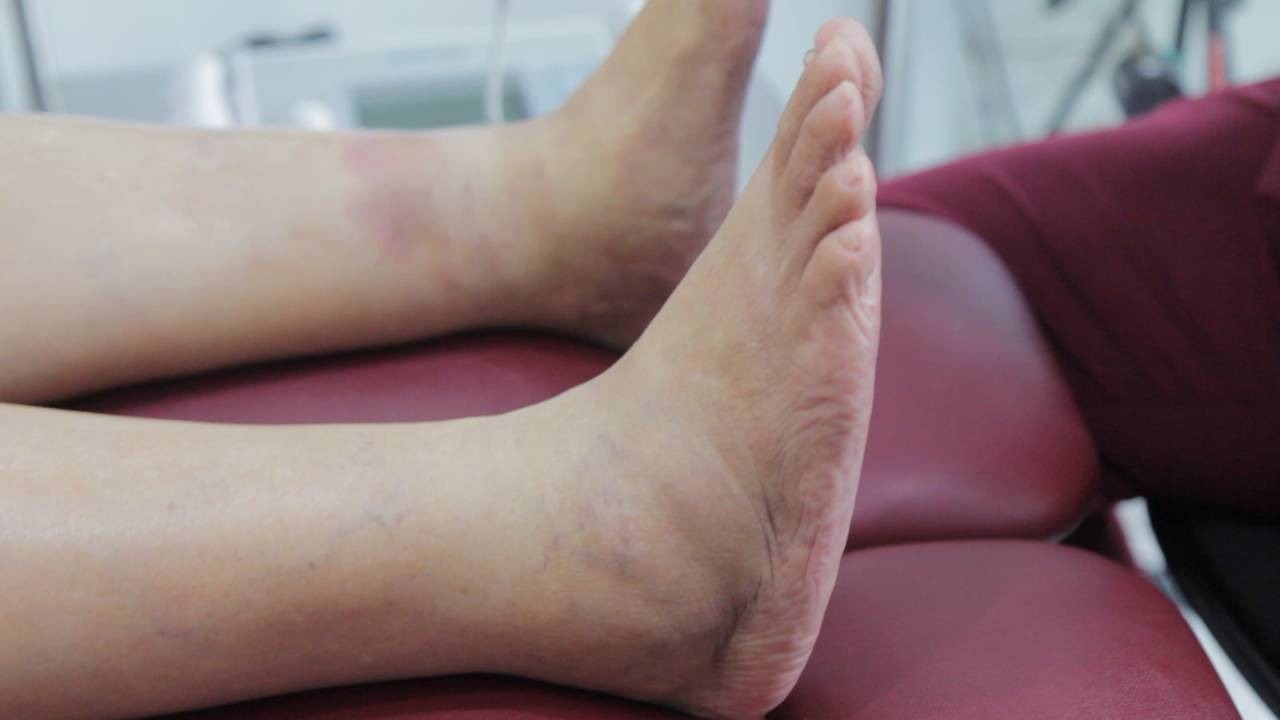
Diabetic foot problems are a leading cause of disability in Singapore, but many cases can be prevented or treated early. This article explains who is at risk, how care works locally, and clear steps you or a loved one can follow to reduce harm.
TL;DR / Key takeaways
- Diabetic foot refers to infections, ulcers, nerve damage, or poor blood flow in the feet of people with diabetes foot Singapore.
- Singapore faces a measurable burden: amputations and high recurrence rates make early detection critical.
- Daily self-care, timely wound management, vascular assessment, and access to specialized clinics reduce amputation risk.
- Metabolic surgery may help long-term control of diabetes and reduce complication risk; see Pan Asia Surg for details.
Prevalence & impact in Singapore
Diabetic foot complications affect a significant number of adults with diabetes in Singapore and carry serious consequences. A past MOH report showed roughly 180 lower extremity amputations per 100,000 adults with diabetes in 2015; recurrence and mortality remain high.
Facts: diabetic foot ulcer (DFU) recurrence reaches about 65% within 3–5 years, and 5-year mortality after DFU ranges from 50–70% in some cohorts. These numbers show why early action matters.
What is a diabetic foot?
Short definition: diabetic foot includes ulcers, infections, Charcot changes, neuropathy, and peripheral artery disease in a person with diabetes. Nerve damage, poor circulation, and susceptibility to infection cause most problems.
Example conditions: a painless ulcer on the sole, a swollen red foot from Charcot arthropathy, or gangrene from poor blood flow. Each needs a different clinical response.
Causes & risk factors
Summary sentence: three mechanisms drive most diabetic foot problems—neuropathy, ischemia, and infection. Peripheral neuropathy reduces protective sensation, peripheral artery disease lowers blood supply, and hyperglycemia impairs healing.
Risk factors include long diabetes duration, poor glycaemic control, smoking, older age, prior ulcer or amputation, and foot deformities. *People over 50 with long-standing diabetes face higher risk.*
Diagnosis and early warning signs
Start with a clear check: loss of feeling, persistent redness, new ulcers, bad-smelling drainage, or cold toes require urgent review. A formal assessment includes sensory testing, vascular exam, and wound measurement.
Tools used: monofilament testing for neuropathy, ankle-brachial index for circulation, and wound cultures if infection is suspected. Early detection lowers the chance of amputation.
Management & treatment options in Singapore
Summary: treatment mixes wound care, infection control, revascularisation, offloading, and glycaemic control. Many hospitals and specialist clinics in Singapore offer multidisciplinary diabetic foot teams.
Wound care and offloading: local care uses dressings, sharp debridement, and pressure redistribution with casts or specialized footwear.
Revascularisation and antibiotics: *prompt vascular assessment and targeted antibiotics* reduce tissue loss. Endovascular and surgical bypass options are available when blood flow is poor.
Advanced therapies: hyperbaric oxygen, skin substitutes, negative-pressure wound therapy, and growth factors are used selectively in tertiary centres.
Metabolic surgery and systemic control: for eligible patients, metabolic surgery can produce durable glucose control and may reduce long-term complication risk. See Pan Asia Surg’s overview on metabolic surgery for context:
Where to get care
Public hospitals and specialist clinics run multidisciplinary services. The Ministry of Health outlines national initiatives and frameworks aimed at integrated care: Private surgical centres, including Pan Asia Surg, also provide evaluation and surgical options.
Prevention: daily actions that work
Short summary: simple daily habits reduce the risk of ulcers and infection. Inspect, clean, moisturise, and protect feet every day.
- Inspect feet daily for cuts, blisters, or swelling.
- Wash and dry carefully; use moisturizer but avoid between toes.
- Wear properly fitted shoes and check internal shoe surfaces.
- Quit smoking and control blood sugar and blood pressure.
- See a podiatrist every 6–12 months if you have neuropathy.
Costs, outcomes, and prognosis
Concise point: diabetic foot care can be costly but preventing ulcers is far cheaper than treating advanced disease. Amputation and prolonged hospital care drive most costs.
Outcomes depend on severity at presentation. About 20% of DFU patients eventually undergo lower extremity amputation in their lifetime, and recurrence rates are high. Early multidisciplinary care improves limb salvage rates.
National strategy and access in Singapore
Quick summary: Singapore uses an integrated approach linking primary care, specialists, and community services. The MOH supports frameworks to empower clinical management and reduce complications.
Local programs focus on screening, podiatry access, vascular services, and patient education. Community nurses and polyclinics play a strong role in follow-up care for stable patients.
Summary
Diabetes Foot Singapore poses a preventable risk when people and systems act early. Regular self-checks, optimized glucose control, timely specialist care, and access to multidisciplinary services reduce amputations and improve outcomes. For patients considering advanced metabolic treatment options, Pan Asia Surg provides information and evaluation services that can be discussed with your care team.
Frequently asked questions
How common are diabetic foot ulcers in Singapore?
They are common among older adults with long-standing diabetes; local data show significant amputation rates and high recurrence. Screening is advised for at-risk patients.
Can diabetic foot ulcers be cured?
Many ulcers heal with timely care; persistent or deep ulcers risk recurrence and complications. Early multidisciplinary treatment improves cure rates.
Does metabolic surgery help prevent foot complications?
Metabolic surgery can achieve durable glucose control and reduce complication risk for some patients, but it is not a direct ulcer treatment. Discuss eligibility with a specialist.
When should I see a specialist?
See a specialist immediately for any open wound, spreading redness, fever, or loss of feeling. Minor issues deserve prompt outpatient review too.