
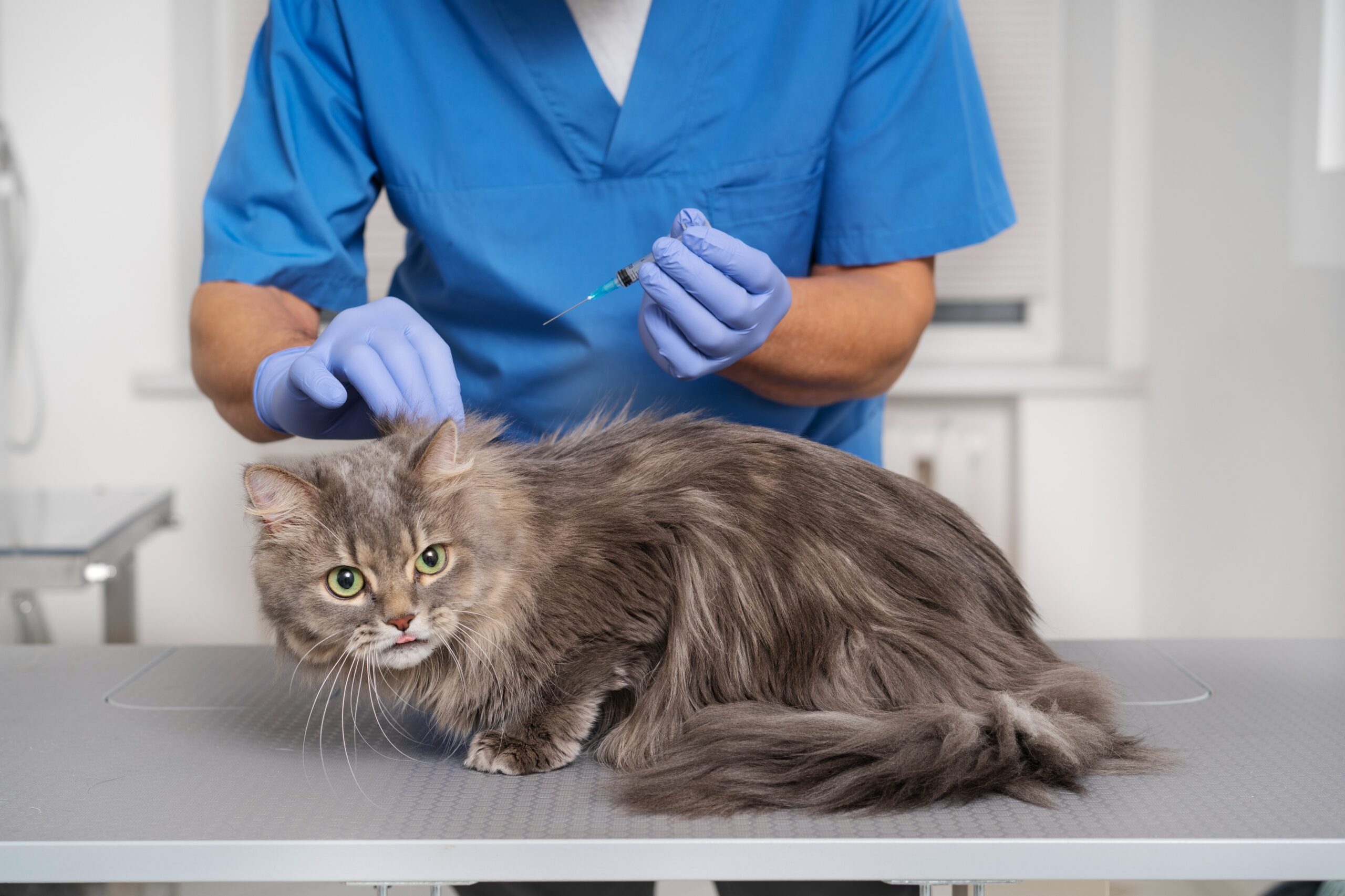
Deworming is one of the most essential aspects of cat care, yet many pet owners overlook how important it is for their feline’s long-term health. Cats can easily come into contact with parasites—whether they spend time outdoors, interact with other animals, or even stay strictly indoors. Intestinal worms can cause a range of health issues, from mild digestive discomfort to severe malnutrition, anemia, and organ damage. Understanding how deworming works and why it’s crucial can help you keep your cat healthy, active, and protected. Here are six important things every cat owner should know about deworming.
1. Cats Can Get Worms More Easily Than You Think
Many people assume that only outdoor cats get worms, but that’s far from true. Indoor cats can also become infected through contaminated soil, insect contact, rodent contact, or even by ingesting parasite eggs that owners unknowingly bring into the home on shoes or clothing.
Common intestinal worms in cats include:
- Roundworms – the most common, often found in kittens
- Tapeworms – transmitted through fleas or small prey
- Hookworms – can cause blood loss and anemia
- Whipworms – less common but still dangerous
These parasites attach to the digestive system and feed on nutrients or blood, causing health issues that worsen without treatment. Deworming helps eliminate these parasites and prevents long-term complications.
2. Signs Your Cat May Have Worms
Worm infestations are not always visible, and some cats may not show obvious symptoms. However, certain signs can suggest the presence of internal parasites:
- A bloated or swollen belly
- Vomiting or diarrhea
- Visible worms or segments in stool
- Weight loss despite normal appetite
- Dull, dry, or poor-quality coat
- Lethargy or reduced activity
- Persistent coughing (in some worm types)
Kittens usually show symptoms more severely due to their delicate immune systems. If you notice any of these signs, your veterinarian may recommend a stool test and appropriate deworming treatment.
3. Regular Deworming Is Essential for All Cats
Whether your cat is a kitten, adult, or senior, regular deworming is a key part of preventive care. Worms reproduce quickly, and even a small infestation can escalate into a more serious issue.
General deworming guidelines:
- Kittens: Every 2 weeks from 2–12 weeks of age, then monthly until 6 months
- Adult cats: Every 3 months or as advised by your vet
- Outdoor cats: May need more frequent deworming due to higher exposure
- Pregnant or nursing cats: Special deworming schedules recommended by vets
Following a regular schedule helps ensure consistent protection and reduces the risk of reinfection—especially in multi-pet households.
4. Deworming Protects Not Just Your Cat, but Your Family Too
Some cat parasites are zoonotic, meaning they can spread to humans. This makes deworming crucial, especially in homes with children, seniors, or individuals with weak immune systems.
Parasites that can affect humans include:
- Roundworms – can cause serious complications, especially in children
- Hookworms – can penetrate human skin and cause painful infections
- Tapeworms – transmitted through accidental ingestion of infected fleas
Regular deworming minimizes these risks and contributes to a cleaner, safer household environment.
5. Not All Dewormers Are the Same—Choose the Right One
There are various deworming medications available, and each targets specific parasites. Some provide broad-spectrum protection, while others focus on eliminating particular worms. Common deworming treatment types include:
Oral medications:
- Tablets, liquids, or flavored chews
- Easy to administer and fast-acting
Topical solutions:
- Applied to the skin
- Absorbed into the bloodstream to kill internal parasites
Injectable dewormers:
- Given at the veterinary clinic
- Ideal for severe or specific infections
Never give your cat a dewormer meant for dogs or other animals. Using an incorrect or low-quality product may not work—and can even be harmful. Always consult your veterinarian to determine the right medication, especially if your cat has other health conditions.
6. Prevention Is Just as Important as Treatment
Deworming alone is not enough—preventing reinfection is equally important. Worm eggs can survive in the environment, making it easy for cats to get infected again if proper hygiene isn’t maintained.
Prevention tips for cat owners:
- Keep litter boxes clean and disinfected regularly
- Dispose of feces promptly
- Use year-round flea control products to prevent tapeworms
- Avoid letting your cat hunt birds, rodents, or insects
- Regularly clean bedding, toys, and cat furniture
- Maintain good grooming practices
Routine veterinary check-ups also help catch early signs of parasites and ensure your cat stays healthy throughout the year.
Deworming plays a vital role in maintaining your cat’s health and ensuring a parasite-free environment for your family. Choosing the right deworming treatment for cats, from understanding worm types to recognizing symptoms and following a proper schedule, greatly contributes to your cat’s well-being. Regular deworming prevents serious health complications, protects your household, and helps your feline friend live a long, happy, and comfortable life. By staying informed and working closely with your veterinarian, you can safeguard your cat from internal parasites and ensure they remain healthy at every stage of life.
Role of collagen in muscle growth and repair